๐Ÿ† Complete Buyer's Guide ยท Dog Food

Small Breed Dog Food for Yeast Issues: Picks and Pointers

Find the best small breed dog food for yeast issues in 2026. Our guide highlights top picks like Royal Canin Hydrolyzed Protein, focusing on limited ingredient diets to reduce allergy triggers.

Some links below are affiliate links. If you buy through them we may earn a small commission at no extra cost to you. Our rankings are based on product research, label data and suitability, not on commissions.

Royal Canin Veterinary Diet Hydrolyzed Protein Small Dog Dry Dog Food โ˜… Top Pick: Royal Canin Veterinary Diet Hydrolyzed Protein Smalโ€ฆ Check Price on Amazon →
25-35%
Protein content range
12-18%
Fat content range
350-450 kcal/cup
Calorie density
3-5%
Fiber content range
โšก Key takeaways
  • Best Overall: Royal Canin Veterinary Diet Hydrolyzed Protein Small Dog Dry Dog Food. This prescription diet uses hydrolyzed proteins to reduce allergic reactions, making it id.
  • Best for Sensitive Stomach: Natural Balance L.I.D. Limited Ingredient Diets Small Breed Bites. Formulated with a single animal protein (salmon) and limited carbs, this food minimizes al.
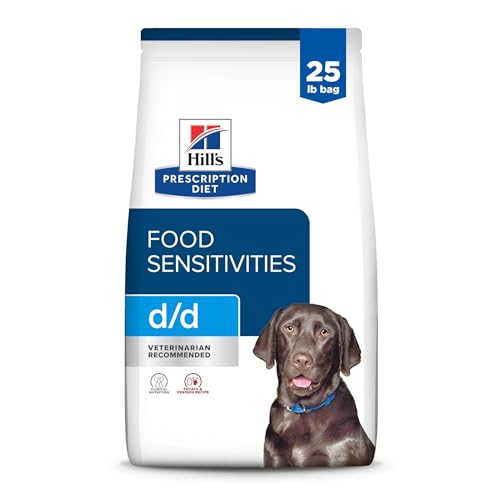
  • Best for Severe Allergies: Hill's Prescription Diet d/d Skin/Food Sensitivities Potato & Venison Dry Dog Food. This prescription diet uses novel venison protein and potato as a single carb source to av.
  • Best Budget: Wellness Simple Natural Limited Ingredient Dry Dog Food Salmon & Potato. An affordable limited ingredient diet with salmon as the sole protein, this food avoids gr.
  • Best Grain-Inclusive: Purina Pro Plan Veterinary Diets HA Hydrolyzed Formula Small Breed Dry Dog Food. This hydrolyzed protein diet is designed for food sensitivities and includes rice as a gen.
At a Glance

Quick Comparison

Quick answer

Our top pick is the Royal Canin Veterinary Diet Hydrolyzed Protein Small Dog Dry Dog Food. It uses hydrolyzed proteins to minimize allergic reactions and is formulated for small breeds. For a budget-friendly option, consider Natural Balance L.I.D. Limited Ingredient Diets Small Breed Bites. If your dog prefers wet food, Hill’s Prescription Diet d/d Skin/Food Sensitivities offers a novel protein source.

What to consider for Small Breed Dog Food For Yeast Issues

Small breed dogs have higher metabolic rates and smaller stomachs, so they need calorie-dense, easily digestible food. Yeast overgrowth often stems from food allergies or sensitivities, so a limited ingredient diet with a novel protein (like venison, duck, or salmon) can help. Look for foods low in carbohydrates and sugars, as yeast feeds on sugar. Avoid common allergens like chicken, beef, corn, wheat, and soy. Probiotics and omega-3 fatty acids support gut health and reduce inflammation.

What to look for in a dog food

Choose a food that is AAFCO complete and balanced for your dog’s life stage (adult or puppy). The first ingredient should be a named meat or meat meal (e.g., salmon meal, duck meal). Aim for protein around 25 to 35 percent, fat 12 to 18 percent, and calories around 350 to 450 kcal per cup for small breeds. Avoid foods with added sugars or high-glycemic ingredients like potatoes and tapioca. Grain-inclusive recipes (e.g., brown rice, oats) are generally safer than grain-free due to the FDA’s ongoing DCM investigation. Look for added omega-3s from fish oil and probiotics for skin and digestive health.

How we chose these picks

  • Evaluated ingredients for limited, high-quality proteins and low carbohydrate content.
  • Selected products specifically formulated for small breed dogs.
  • Prioritized brands with a history of rigorous quality control and AAFCO feeding-data reviews.
  • Considered customer reviews for palatability and reported improvements in skin/yeast issues.
  • Checked for added digestive support (probiotics, prebiotics) and omega fatty acids.
  • Excluded products with common allergens or high sugar/starch content.
  • Never ranked a product higher just because it pays a commission.

What to avoid

  • Avoid unnamed meat meals (e.g., poultry meal) as the primary protein source; they can be from mixed species.
  • Do not default to grain-free diets without veterinary guidance, as the FDA is investigating a potential link between grain-free diets and canine DCM.
  • Avoid all-life-stages formulas for small breed puppies; they may not provide the right calcium-phosphorus ratio.
  • Do not switch foods abruptly; transition over 7 to 10 days to avoid digestive upset.
  • Avoid foods with added sugars, corn syrup, or high amounts of starchy vegetables like potatoes.

For more guidance, see our dog guides, dog food, and dog health articles.

Why this matters

Yeast overgrowth in small breed dogs is often secondary to food allergies. A limited ingredient or hydrolyzed protein diet can significantly reduce triggers, but always consult a veterinarian for a proper diagnosis and treatment plan.

The Options

Types Explained

Hydrolyzed Protein Diets

These prescription diets use proteins broken into tiny pieces to avoid immune reactions. They are the most effective for dogs with confirmed food allergies causing yeast overgrowth.

Best for: Dogs with severe allergies or chronic yeast infections that haven't responded to other diets.

Limited Ingredient Diets (LID)

LID foods contain a single animal protein and a single carbohydrate source, minimizing potential allergens. They are available over the counter and often more affordable.

Best for: Dogs with mild to moderate sensitivities or owners wanting to try an elimination diet.

Novel Protein Diets

These feature a protein source your dog hasn't eaten before, such as venison, duck, or kangaroo. Novel proteins reduce the chance of an allergic response.

Best for: Dogs that have developed allergies to common proteins like chicken or beef.

Grain-Inclusive Formulas

These include grains like rice or oats, which are digestible and provide energy. They are generally considered safer than grain-free due to the FDA's DCM investigation.

Best for: Owners who prefer to avoid grain-free diets while still managing yeast issues.
The Rankings

Top 5 Picks

#1
Royal Canin Veterinary Diet Hydrolyzed Protein Small Dog Dry Dog Food
Best Overall

Royal Canin Veterinary Diet Hydrolyzed Protein Small Dog Dry Dog Food

View on Amazon

This prescription diet uses hydrolyzed proteins to reduce allergic reactions, making it ideal for yeast-prone small breeds. It supports skin barrier function with omega-3s and B vitamins. However, it requires a vet prescription and is more expensive than over-the-counter options.

#2
Natural Balance L.I.D. Limited Ingredient Diets Small Breed Bites
Best for Sensitive Stomach

Natural Balance L.I.D. Limited Ingredient Diets Small Breed Bites

View on Amazon

Formulated with a single animal protein (salmon) and limited carbs, this food minimizes allergens that trigger yeast. It includes omega-3s for skin health. The small kibble size is perfect for tiny mouths. A downside is that it is grain-free, which may not suit all dogs.

#3
Hill's Prescription Diet d/d Skin/Food Sensitivities Potato & Venison Dry Dog Food
Best for Severe Allergies

Hill's Prescription Diet d/d Skin/Food Sensitivities Potato & Venison Dry Dog Food

View on Amazon

This prescription diet uses novel venison protein and potato as a single carb source to avoid common allergens. It is fortified with vitamin E and omega-6s for skin health. It requires a vet prescription and is relatively high in carbohydrates.

#4
Wellness Simple Natural Limited Ingredient Dry Dog Food Salmon & Potato
Best Budget

Wellness Simple Natural Limited Ingredient Dry Dog Food Salmon & Potato

View on Amazon

An affordable limited ingredient diet with salmon as the sole protein, this food avoids grains, gluten, and artificial additives. It includes probiotics for digestion. The trade-off is that it is grain-free, and some dogs may not like the taste.

#5
Purina Pro Plan Veterinary Diets HA Hydrolyzed Formula Small Breed Dry Dog Food
Best Grain-Inclusive

Purina Pro Plan Veterinary Diets HA Hydrolyzed Formula Small Breed Dry Dog Food

View on Amazon

This hydrolyzed protein diet is designed for food sensitivities and includes rice as a gentle carbohydrate source. It is grain-inclusive, which may be safer regarding DCM concerns. It requires a vet prescription and is less palatable to some dogs.

Before You Buy

Key Buying Factors

01

Limited Ingredient Diet

A limited ingredient diet (LID) contains fewer protein and carbohydrate sources, reducing the chance of triggering an allergic reaction that can lead to yeast overgrowth. Look for a single novel protein and a single carb source.

02

Hydrolyzed Protein

Hydrolyzed proteins are broken down into small fragments that are less likely to be recognized by the immune system. These prescription diets are highly effective for dogs with severe food allergies contributing to yeast issues.

03

Omega-3 Fatty Acids

Omega-3s from fish oil help reduce inflammation and support skin health, which can alleviate yeast-related itching and irritation. They also promote a healthy coat.

04

Probiotics and Prebiotics

A healthy gut microbiome can help control yeast populations. Probiotics add beneficial bacteria, while prebiotics feed them. Look for added strains like Enterococcus faecium or dried fermentation products.

05

Low Carbohydrate Content

Yeast feeds on sugars and simple carbohydrates. Choosing a food with low to moderate carbs (under 40% on a dry matter basis) can help limit yeast growth. Avoid foods with added sugars or high-glycemic ingredients.

Living With It

Care, Cost and Maintenance

Dietary Consistency

Feed the same limited ingredient diet consistently to avoid introducing new allergens. Avoid table scraps and treats that may contain triggers. If you need treats, choose ones with the same novel protein.

Monitor for Symptoms

Watch for signs of yeast overgrowth: itchy skin, red ears, a musty odor, or greasy coat. If symptoms persist, consult your veterinarian. They may recommend a prescription diet or antifungal treatment.

Proper Storage

Store dry food in a cool, dry place in its original bag inside an airtight container. This prevents moisture and pests that could introduce contaminants. Check expiration dates and do not feed expired food.

Pro tip

When transitioning to a new food, mix increasing amounts of the new food with the old over 7 to 10 days to minimize digestive upset and allow your dog's system to adjust.

Frequently asked questions

How much should I feed my small breed dog with yeast issues?
Feeding amounts vary by brand, age, and activity level. Start with the manufacturer's guidelines on the bag, typically 1/4 to 1/2 cup per 5 to 10 pounds of body weight daily. Divide into two meals to aid digestion. Adjust based on your dog's body condition; you should be able to feel ribs without seeing them. Always provide fresh water. Consult your vet for a precise feeding plan, especially if your dog has concurrent health issues.
How many calories does a small breed dog with yeast issues need daily?
A typical small breed dog (5 to 20 pounds) needs about 30 to 40 calories per pound of body weight per day, depending on activity level. For example, a 10-pound dog may need 300 to 400 calories daily. Yeast-prone dogs often benefit from a lower-carb diet, so choose a food with appropriate calorie density. Monitor weight closely and adjust portions to prevent obesity, which can worsen skin folds and yeast infections.
Is grain-free dog food safe for small breed dogs with yeast issues?
Grain-free diets are not inherently unsafe, but the FDA is investigating a potential link between grain-free foods (especially those high in legumes) and canine dilated cardiomyopathy (DCM). For yeast issues, grain-free may help if your dog is allergic to grains, but it's not necessary. Many dogs do well on grain-inclusive limited ingredient diets. Consult your vet before switching to grain-free, and consider a diet with novel carbohydrates like oats or rice.
Can I feed puppy food to my small breed dog with yeast issues?
If your dog is a puppy, yes, choose a small breed puppy formula that is limited ingredient or hydrolyzed if needed. Puppies have higher protein and calorie needs for growth. However, avoid all-life-stages foods for large breed puppies due to calcium concerns. For adult dogs with yeast issues, do not feed puppy food as it is too rich and may exacerbate allergies. Always select a food appropriate for your dog's life stage.
What is the best dog food for overweight small breed dogs with yeast issues?
For overweight dogs, choose a low-calorie, limited ingredient diet with higher fiber to promote satiety. Look for foods with around 300 to 350 kcal per cup and added L-carnitine for fat metabolism. Examples include Hill's Prescription Diet Metabolic or Royal Canin Veterinary Diet Satiety. Avoid high-fat treats. Combine diet with regular exercise. Always consult your vet for a weight management plan tailored to your dog's needs.
What should I feed a senior small breed dog with yeast issues?
Senior dogs often have slower metabolisms and may need fewer calories. Look for a limited ingredient or hydrolyzed diet formulated for seniors, with added joint support (glucosamine, chondroitin) and omega-3s for cognitive health. Ensure the food is easy to digest and has moderate protein (around 25 to 30 percent) to maintain muscle without stressing kidneys. Examples include Royal Canin Veterinary Diet Hydrolyzed Protein Small Dog or Purina Pro Plan Veterinary Diets HA.
Are small breed dog foods suitable for all small breeds with yeast issues?
Most small breed formulas are designed for dogs under 20 pounds and have smaller kibble size and adjusted nutrient profiles. However, individual dogs may have unique sensitivities. A food that works for a Chihuahua may not suit a Shih Tzu. Always check the ingredient list for potential allergens. If your dog has a specific protein allergy, choose a novel protein diet. Consult your vet to determine the best option for your breed and condition.
Should I feed dry or wet food for yeast issues?
Both can work, but dry food is often more convenient and may help with dental health. Wet food has higher moisture content, which can be beneficial for dogs that don't drink enough water. However, some wet foods contain more carbohydrates or gums that may feed yeast. Choose a limited ingredient wet food with a novel protein and low carbs. Mixing a small amount of wet food with dry can increase palatability. Always check labels for added sugars.
Can diet alone cure my dog's yeast infection?
Diet is a crucial part of managing yeast overgrowth, but it may not cure an active infection. Yeast infections often require veterinary treatment, including antifungal medications, medicated shampoos, or ear drops. A proper diet helps prevent recurrence by reducing allergens and sugars. Work with your vet to address underlying causes like allergies or hypothyroidism. Do not rely solely on diet; follow your vet's treatment plan.
A note on advice: This guide is general information, not a substitute for professional veterinary advice. Talk to your vet before changing your dog's diet or care routine, especially if your dog has allergies, kidney disease, pancreatitis, obesity, heart disease or any other medical condition.
Transparency

How we made this guide

How we chose. We compared the options on the factors that matter most for Dog Food, using manufacturer specifications, aggregated verified owner reviews and editorial comparison. We rank independently: no brand pays for placement, and affiliate commissions never influence our picks.

How it was written. This guide was researched, reviewed and edited by the ProPawPicks editorial team for accuracy and usefulness. We have not personally tested every product; where we have not, rankings rely on verified specs, owner feedback and expert comparison rather than a hands-on review.

Affiliate disclosure. ProPawPicks is reader-supported. If you buy through links on our site, we may earn a commission at no extra cost to you. See our affiliate disclosure.

Keep Reading

More Dog Food guides

Insulated Dog Jackets: 4 Best Picks Reviewed for 2026View picks โ†’Stop Wasting Treats: 5 Best Interactive Dog Cameras 2026View picks โ†’Interactive Dog Toys for Boredom: Our ShortlistView picks โ†’Invisible Dog Fence for Large Dogs: 5 Best Picks (2026)View picks โ†’Invisible Dog Fence for Sensitive Stomachs: 2026 Top Pick ReviewedView picks โ†’Expert Picks: Best Invisible Dog Fence for the Money 2026View picks โ†’

Sources and further reading

Some links below are affiliate links. If you buy through them we may earn a small commission at no extra cost to you. Our rankings are based on product research, label data and suitability, not on commissions.