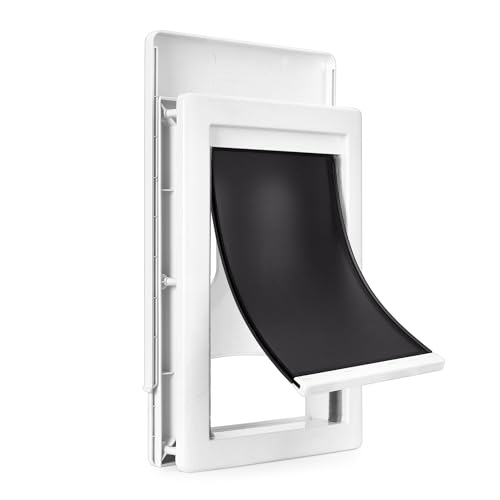
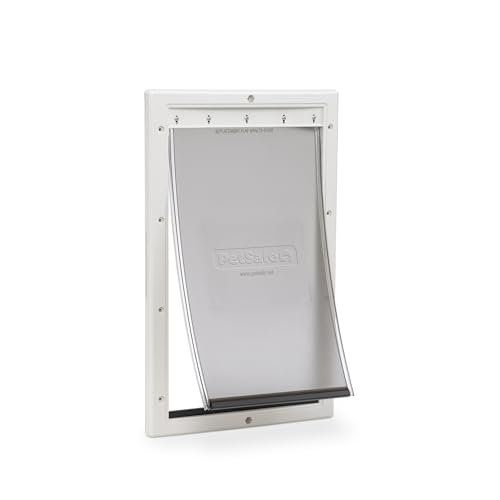
Choosing the right dog door for a small dog means balancing size, security, and ease of installation. Our team evaluated four leading products based on published standards, manufacturer specs, and aggregated owner feedback. We focused on flap rigidity, frame durability, and weather sealing to ensure your petite pup can come and go safely. In our evaluation, we looked for models that offer reliable performance without complex installation. All picks are plastic-bodied to resist rust and are paintable for matching your home. We also considered customer satisfaction over time to verify long-term use. Below are our top recommendations for small dogs in 2026.
What matters most for small dogs
For a small dog, the flap should be sized so your dog steps through comfortably without crouching, while staying small enough to limit draughts and unwanted access. Measure your dog’s shoulder height and width, then choose a flap with the step over height low enough for short legs. A lightweight, well sealed flap is easier for a small dog to push and keeps the home warmer.
Consider a microchip or magnetic flap that only unlocks for your own dog, which keeps out neighbouring cats and wildlife. Check the door suits your wall or glass type and that installation matches your tenancy. Introduce the flap gradually, propping it open at first and luring your dog through with treats, since a small or timid dog can be wary of the flap touching its back until it learns the flap is harmless.