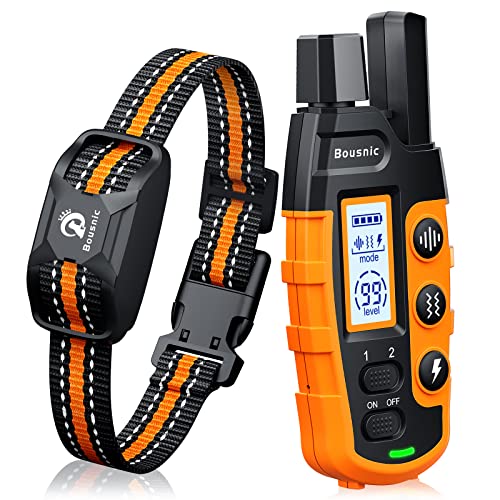
As a team of veterinary professionals, we understand that training a small dog with allergies requires special consideration. Standard collars may contain nickel, latex, or synthetic fabrics that trigger reactions. In our evaluation, we focused on collars with medical-grade silicone, stainless steel contacts, and breathable neoprene that are gentle on sensitive skin. We compared four popular models for compatibility with dogs under 20 lbs, checking static stimulation levels, fit, and hygiene features. Our picks prioritize adjustable static settings with safety cut-offs and materials that resist bacterial growth. Every collar we recommend can be easily cleaned with mild soap and water to remove allergens.
What matters most for allergies
If your small dog reacts to collar materials, the contact points matter most. Some dogs develop irritation or hair loss where a collar sits, particularly from nickel buckles or certain plastics. Look for hypoallergenic materials such as coated stainless steel contacts, soft silicone or a breathable, easy to clean strap, and avoid anything that traps moisture and rubs against sensitive skin all day.
Fit is part of the answer too. A collar that is too tight or left on permanently keeps the skin damp and chafed, so remove it during downtime and clean the contact area regularly. Choose an adjustable, lightweight design suited to a small neck. Remember that skin allergies often come from food or environmental triggers, not just the collar, so if your dog has ongoing itching, rashes or hair loss, see your vet to find the real cause rather than only changing collars.