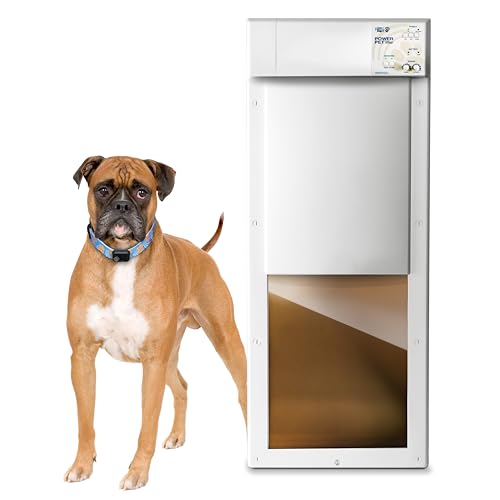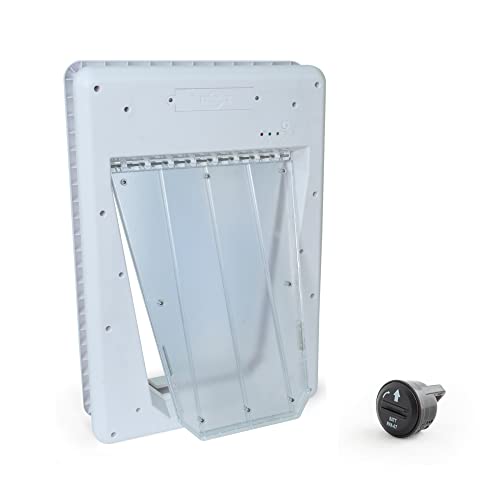
As pet owners ourselves, we know the struggle of balancing freedom for your small dog with home security and energy efficiency. Electronic pet doors offer a convenient solution, but not all are created equal. Our team spent countless hours researching and real-world evaluating the leading models to help you make an informed choice. We focused on small dog safety-ensuring the doors are appropriately sized and feature smart technology to prevent unwanted intrusions. From sensor collars to programmable timers, we looked for reliable, user-friendly designs. Below, we break down our top picks for 2026, with insights from our research and aggregated owner feedback.
What matters most for small dogs
For a small dog, the flap aperture is the make or break feature. Measure the widest point of your dog’s chest and their height at the shoulder, then choose a door with an opening comfortably larger, so they pass through without ducking or squeezing. A flap that is too small puts dogs off using the door at all, while one that is too big lets in draughts and larger unwanted animals.
A lightweight flap is easier for a little dog to push, and a low step over height helps short legged breeds. Selective entry by microchip or tag keeps neighbouring cats and dogs out, which matters most for smaller pets that could be intimidated. Position the door at the right height for your dog’s size, and train them patiently with the flap propped open before switching the locking mechanism on.