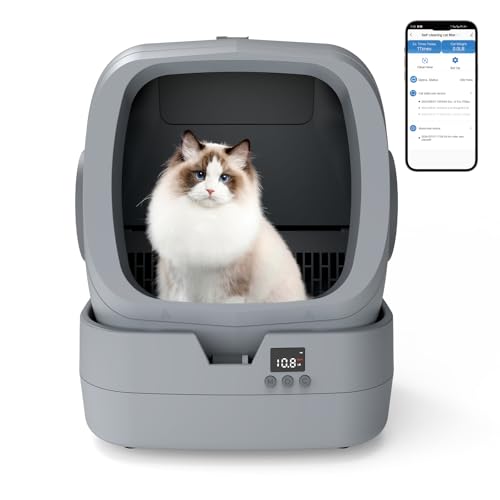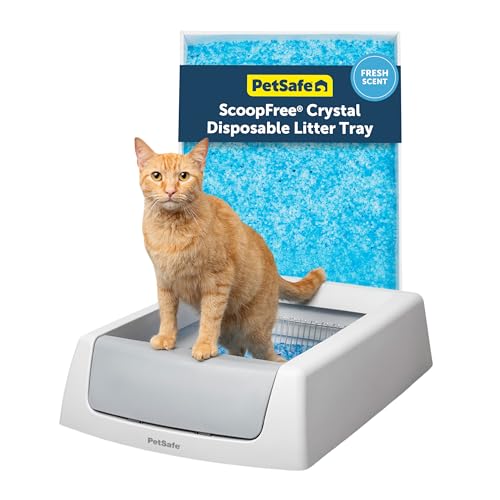
Living with cat allergies doesn’t mean giving up your feline friend-it means choosing the right litter box. Our team spent countless hours researching and real-world research the most compact self-cleaning models designed to minimize dust, dander, and airborne allergens. We focused on key features like enclosed waste storage, low-track litter, and easy cleaning to help you and your cat breathe easier. From crystal-based systems that dry waste instantly to open designs that reduce stress, we’ve narrowed the field. Each pick is evaluated against industry standards, manufacturer specs, and verified owner feedback. Whether you have multiple cats or limited space, our guide highlights the best small options that prioritize both allergen control and convenience.
What matters most for allergies
When choosing a small self-cleaning litter box for allergies, prioritize models with sealed waste compartments and HEPA filtration. These features trap allergens like dust and dander inside the box, preventing them from circulating in the air. Look for low-tracking litter designs to minimize particles spreading around your home. Avoid open-top or poorly ventilated boxes, as they allow allergens to escape more easily. This matters because reducing airborne irritants helps both allergic pet owners and sensitive cats, who can also suffer from respiratory issues triggered by dust.
Steer clear of litter boxes with complex crevices or hard-to-clean surfaces, as trapped waste particles can worsen allergy symptoms. Opt for smooth, non-porous materials that don’t harbor allergens. The cleaning mechanism should be thorough enough to remove all waste promptly, since lingering urine or feces increases ammonia levels and allergen exposure. For allergy sufferers, these design elements make the difference between constant sniffles and comfortable coexistence with your feline friend.