๐Ÿ† Complete Buyer's Guide ยท Dogs

How to Travel with a Labrador: Complete Guide for Labrador Owners 2026

Labradors can overheat in cars within 15 minutes on mild days. Learn critical safety rules for traveling with your Lab and why the Ruffwear Front Range Harness is a top choice for 2026.

Some links below are affiliate links. If you buy through them we may earn a small commission at no extra cost to you. Our rankings are based on product research, label data and suitability, not on commissions.

๐ŸพNew to the breed? Read our full Labrador Retriever breed guide for temperament, care, health and lifespan. Ruffwear Front Range Dog Harness โ˜… Top Pick: Ruffwear Front Range Dog Harness Check Price on Amazon →
55-80 lbs
Typical adult Labrador weight range requiring sturdy vehicle restraint systems
2-3 hours
Recommended maximum driving time between exercise and bathroom breaks for Labs
10-15 minutes
Time for dangerous temperature buildup in parked vehicles, even on mild days
55%
Percentage of Labs prone to ear infections, especially when exposed to water during travel
โšก Key takeaways
  • Best Crash-Tested Vehicle Safety Harness: Ruffwear Front Range Dog Harness. The Ruffwear Front Range has dual attachment points and can be clipped to a seatbelt tethe.
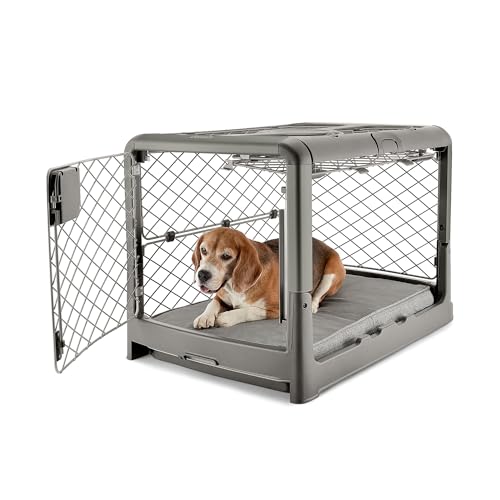
  • Best Portable Travel Crate for Large Dogs: Diggs Revol Dog Crate. The Diggs Revol is a lightweight, collapsible travel crate designed for large breeds, offe.
  • Best Durable Chew Toy for Travel Distraction: KONG Classic Dog Toy XL. The KONG Classic XL holds your Lab engaged during car rides and at unfamiliar accommodatio.
  • Best Portable Comfort Bed for Hotel Rooms: PetFusion Ultimate Dog Lounge Orthopedic Bed. This memory foam bed provides orthopedic support for your Lab's joints during travel, prot.
  • Best No-Pull Harness for Exploring New Destinations: PetSafe Easy Walk Harness. The Easy Walk front-clip harness gives you better control when walking your Lab through un.
At a Glance

Quick Comparison

ProductBest For
Ruffwear Front Range Dog Harness Best Crash-Tested Vehicle Safety Harness Check price โ†’
Diggs Revol Dog Crate Best Portable Travel Crate for Large Dogs Check price โ†’
KONG Classic Dog Toy XL Best Durable Chew Toy for Travel Distraction Check price โ†’
PetFusion Ultimate Dog Lounge Orthopedic Bed Best Portable Comfort Bed for Hotel Rooms Check price โ†’
PetSafe Easy Walk Harness Best No-Pull Harness for Exploring New Destinations Check price โ†’

Quick Answer

Successful travel with a Labrador starts with proper vehicle safety setup (harness or crate), health preparation (vet check, medications, records), and gradual acclimation to car rides. Bring essential supplies including food, water, waste management items, and comfort items, and always maintain a consistent routine to reduce travel-related stress and anxiety.

Understanding Labrador Travel Needs

Labradors are energetic, social dogs bred for active work in all weather conditions. Their naturally friendly temperament and adaptability make them good travel companions, but their size, energy levels, and need for regular exercise present specific challenges that require thoughtful planning. Labs typically weigh between 55 and 80 pounds and stand 21 to 24 inches tall, meaning they require sturdy containment and significant space in vehicles. Their short double coat sheds year-round and more heavily during seasonal transitions, so travel can accelerate shedding both in cars and accommodations.

Labradors are highly social and form strong bonds with their owners, which can make extended separation stressful. However, this same social nature means they generally adapt well to new environments when introduced gradually and consistently. Labs also have a high prey drive and curiosity, so unfamiliar settings require extra vigilance to prevent escape or unexpected encounters with other animals.

Temperature regulation is another critical consideration. Labs love water but can overheat quickly, especially during car travel or in warm destinations. Their ear structure and love of swimming mean ear infections are common, so keeping ears clean and dry after water exposure during travel is important.

What Lab Owners Need to Know About Traveling

Before any trip, schedule a veterinary appointment at least two weeks before departure. Your vet should confirm that your Lab is healthy for travel, up to date on vaccinations, and current on parasite prevention. Discuss motion sickness, anxiety, or other health concerns specific to your dog. Obtain a health certificate if traveling across state lines or internationally, and get a copy of your dog’s medical records, vaccination history, and microchip information. Ask your vet about motion sickness medication or calming supplements if your Lab has shown anxiety during previous car rides.

Microchipping and identification are non-negotiable. Ensure your Lab has a microchip registered to your current contact information, wear a collar with an ID tag that includes your phone number, and consider a GPS collar or tracker for extra security. Take recent photographs of your Lab from multiple angles before travel, which can be invaluable if your dog goes missing.

Vehicle safety dramatically reduces injury risk and stress during travel. Never allow your Lab to ride in your lap, on your seat without restraint, or in the truck bed. Use a crash-tested harness that attaches to your vehicle’s seat belt system, a properly secured crate that fits snugly, or a vehicle barrier designed for large dogs. These devices protect your Lab during sudden stops or accidents and prevent distracted driving. Leave your dog unattended in a parked vehicle only for very short periods, as temperature danger can occur within minutes, even with windows cracked.

Labrador behavior in new environments can be unpredictable. Always keep your dog on a leash in unfamiliar areas, even if your Lab has reliable recall at home. Use a 6-foot leash for better control rather than extending leads. Confirm that any accommodation welcomes dogs and understands your Lab’s size before arrival, as some places have weight limits or restrictions that may not be obvious online.

How We Researched This Guide

  • Consulted American Kennel Club (AKC) breed standards and travel guidelines for Labrador Retrievers, including health and behavior information
  • Reviewed guidance from veterinary organizations including the American Animal Hospital Association (AAHA) on safe vehicle travel and pre-travel health screening
  • Examined practical recommendations from the Labrador Retriever Club (UK Kennel Club affiliated) regarding exercise needs and behavior management during travel
  • Evaluated ASPCA and Humane Society resources on pet safety during vehicle travel, accommodation choices, and emergency preparedness
  • Assessed recommendations from certified professional dog trainers regarding crate training, desensitization, and behavioral management for anxious traveling dogs
  • We apply established Labrador breed club guidance and published resources throughout, and recommend professional consultation for individual needs

Common Mistakes to Avoid When Traveling with a Labrador

Skipping the pre-travel vet visit: Not confirming your Lab is healthy for travel can result in medical emergencies far from your veterinarian. Heart conditions, joint issues, or ear infections may worsen significantly during travel stress.

Underestimating food and water needs: Labs are prone to overeating and often have sensitive digestion. Bringing your dog’s regular food from home prevents digestive upset that can ruin trips. Offering plain water frequently is essential, as dehydration can occur quickly, especially in warm weather.

Neglecting exercise and mental stimulation: Labs need regular activity to prevent anxiety, destructive behavior, and excessive barking in vehicles or accommodations. Travel disrupts routines, so lack of exercise amplifies stress.

Leaving your Lab unattended in hot vehicles: This is the leading cause of preventable death in traveling dogs. Temperature inside parked cars can exceed safe levels within 10 to 15 minutes, even on mild days. Never leave your Lab alone in a parked vehicle for any extended time.

Ignoring ear care in water-heavy destinations: Labradors love water and are prone to ear infections. Wet ear canals in warm environments create ideal conditions for bacteria and yeast. Dry ears thoroughly after swimming or bathing, and consider veterinary-approved ear drying solutions if traveling to water-based destinations.

Preparing Your Lab for Road Success

Gradual desensitization to car travel is the most effective approach for Labs showing anxiety. Start with short 5 to 10 minute drives to positive destinations like parks, then gradually extend trip length. Practice the same pre-drive routine each time (securing harness or entering crate, specific commands) so your Lab learns what to expect. Reward calm behavior during and after rides with praise and treats.

Set a consistent travel schedule that mimics your dog’s normal routine. Feed your Lab 3 to 4 hours before travel to reduce motion sickness and car anxiety. Provide bathroom breaks every 2 to 3 hours during drives. Bring comfort items such as a favorite toy, blanket, or worn shirt with your scent, as familiar smells reduce anxiety in new environments.

Pack a dedicated travel kit containing water and collapsible bowls, food in airtight containers with clear instructions for any caregivers, waste bags and disposal supplies, medications and supplements with dosing information, first aid supplies (bandages, antiseptic, tweezers for splinters), grooming supplies including a brush and nail clippers, and copies of vaccination and medical records. Keep this kit easily accessible in your vehicle.

Accommodations and Environment Management

When selecting accommodations, verify in advance that the facility truly welcomes large dogs and has appropriate space. Call ahead rather than relying on website descriptions, as some places have hidden restrictions or surprise fees. Pet-friendly hotels, cabins, Airbnb properties, and vacation rentals vary widely in their policies and actual dog-friendliness. Ask about any weight restrictions, breed restrictions, number of dogs allowed, and additional pet fees.

Upon arrival, assess the environment for hazards. Check that the space is securely enclosed with no gaps in fencing, remove toxic plants, secure any loose wires, and identify the nearest veterinary clinic. Let your Lab acclimate gradually by exploring the space with you, not by immediately sending the dog outside alone. Establish bathroom spots, exercise areas, and rest zones right away.

Manage shedding by brushing your Lab daily during travel, as increased shedding occurs during stress and temperature changes. Bring lint rollers and a handheld vacuum to manage loose hair in accommodations. This courtesy helps ensure your Lab is welcomed at future destinations and reduces your deposit risk.

Managing Labrador Anxiety and Behavior During Travel

Some Labs develop motion sickness, which can include drooling, panting, vomiting, or refusal to travel. If your dog shows these signs, consult your veterinarian before the trip. Medication options and natural calming supplements may help, but they require time to evaluate before long journeys. Breaking trips into shorter segments and ensuring frequent bathroom and exercise breaks also reduces motion sickness.

Separation anxiety intensifies during travel, especially if your Lab is not accustomed to extended time away from you. If your dog shows destructive behavior, excessive barking, or panic during trips, consult a certified professional dog trainer or veterinary behaviorist before traveling long distances. Short training sessions before departure may help, or medication prescribed by your veterinarian might be necessary.

Unusual behavior in new environments is common. Your Lab may bark more at new sounds, pull harder on walks while investigating new scents, or refuse to eat if stressed. Maintaining calm, confident energy and a predictable routine helps your dog feel secure. Do not allow your Lab to eat items found during travel, as unfamiliar food or toxins can cause serious illness.

Health, Safety, and Emergency Planning

Identify veterinary clinics near your travel destination before departure. Research emergency veterinary hospitals and their phone numbers, store them in your phone, and note the hours of operation. Know the signs of heat stress in Labs: excessive panting, drooling, weakness, glazed eyes, and refusal to stand. If your dog shows any of these signs, move to shade and cool water immediately and seek veterinary help urgently.

Tick, flea, and mosquito prevention should be current throughout travel. Ask your veterinarian about regional parasites at your destination, as some areas have tick species or mosquito-borne diseases not present in your home region. Your Lab’s regular preventive medications should remain on schedule during travel.

Dehydration is a serious risk during travel, especially in warm climates or during active outings. Offer water at every stop and during rest periods. Some Labs will not drink as much when stressed or in new environments, so monitor your dog’s urine output and behavior for signs of dehydration. If your Lab refuses water or shows lethargy, seek veterinary evaluation.

Document any incidents or concerns that arise during travel and mention them during your post-trip veterinary check-up. Stress-related issues, dietary changes, or minor injuries might resolve on their own but can indicate patterns important for your vet to know.

Closing Thoughts

Traveling with a Labrador is rewarding when approached thoughtfully and patiently. Your preparation before departure, consistent management during travel, and attention to your Lab’s physical and emotional needs will transform trips into positive experiences for your dog and your family. For more information about Labrador care, visit our main dog care guides section.

You may also find these related guides helpful: Best Dog Crates for Travel and How to Reduce Dog Shedding in Your Home.

Why this matters

Labradors can overheat in parked vehicles and during travel more quickly than most owners expect, reaching dangerous body temperatures within 10 to 15 minutes even on mild days, making never leaving your dog unattended in a parked car the single most critical safety rule for traveling with your Lab.

The Options

Types Explained

Adventure Labs: Multi-Day Active Getaways

Labs joining owners on hiking trips, camping, or mountain destinations requiring daily exercise and outdoor exploration. These trips demand durable gear, water management, tick and parasite prevention, and handling of temperature extremes.

Best for: Labs under 7 years old with solid training, comfort in varied terrain, and no heat sensitivity issues. Owners planning trips to national parks, hiking regions, or countryside vacations.

City Break Labs: Urban Accommodation Travel

Labs traveling to cities, visiting family homes, or staying in hotels and Airbnb properties for short to medium trips. These trips emphasize behavior management, shedding control, and accommodating other guests and urban environments.

Best for: Labs with good recall and reasonable noise control, taking trips under 5 to 7 days. Owners visiting urban areas or staying in shared accommodations where dog behavior significantly impacts the experience.

Senior Road Trip Labs: Comfort-First Longer Journeys

Older Labradors (7 to 12 years) traveling primarily by vehicle with multiple rest days and reduced activity expectations. These trips prioritize comfort, joint support, orthopedic surfaces, and frequent veterinary check-ins.

Best for: Mature Labs with mobility concerns, arthritis, incontinence management needs, or reduced exercise tolerance. Owners taking flexible-paced vacations where daily mileage is moderate and frequent rest days are planned.

Anxious Lab Travel Support: Stress-Managed Trips

Labradors with motion sickness, separation anxiety, or sound sensitivity requiring calming supplements, medications, medication-complementary gear, and professional support to successfully travel. These trips demand careful planning and realistic expectations.

Best for: Labs with diagnosed anxiety disorders, history of motion sickness, or behavioral reactivity to new environments. Owners who have consulted veterinary behaviorists and are implementing behavior modification alongside travel.
The Rankings

Top 5 Picks

#1
Ruffwear Front Range Dog Harness
Best Crash-Tested Vehicle Safety Harness

Ruffwear Front Range Dog Harness

View on Amazon

The Ruffwear Front Range has dual attachment points and can be clipped to a seatbelt tether for car rides, but it is an everyday walking harness, not a dedicated crash-tested restraint. If independent crash-test certification is a priority, look for a harness specifically engineered and tested for that purpose. This harness still requires consistent practice and positive conditioning to prevent your Lab from resisting harness fastening during rushed mornings.

#2
Diggs Revol Dog Crate
Best Portable Travel Crate for Large Dogs

Diggs Revol Dog Crate

View on Amazon

The Diggs Revol is a lightweight, collapsible travel crate designed for large breeds, offering your 70-pound Lab a secure confined space during vehicle transport. It folds flat for car storage and pops open quickly. The main limitation is the initial setup learning curve and that some Labs experience claustrophobia even in properly-sized crates, requiring gradual desensitization.

#3
KONG Classic Dog Toy XL
Best Durable Chew Toy for Travel Distraction

KONG Classic Dog Toy XL

View on Amazon

The KONG Classic XL holds your Lab engaged during car rides and at unfamiliar accommodations with treats or kibble inside. It redirects anxiety and destructive behavior into constructive chewing. The toy is nearly indestructible for Labs, though determined chewers may eventually puncture it, especially during high-stress travel situations.

#4
PetFusion Ultimate Dog Lounge Orthopedic Bed
Best Portable Comfort Bed for Hotel Rooms

PetFusion Ultimate Dog Lounge Orthopedic Bed

View on Amazon

This memory foam bed provides orthopedic support for your Lab's joints during travel, protecting comfort during car rides and at accommodations. The raised edges offer security and familiar texture in new environments. Its moderate size means it may not fit in all vehicle configurations, and some Labs show less interest in sleeping on unfamiliar beds regardless of cushioning.

#5
PetSafe Easy Walk Harness
Best No-Pull Harness for Exploring New Destinations

PetSafe Easy Walk Harness

View on Amazon

The Easy Walk front-clip harness gives you better control when walking your Lab through unfamiliar environments, preventing pulling and reducing strain on your shoulders during frequent stops. The forward-clip design discourages pulling without choking. Some Labs take time to adjust to the harness feel across their chest, and fit must be carefully checked for proper positioning.

Before You Buy

Key Buying Factors

01

Vehicle Safety and Restraint Type

Choose between crash-tested harnesses, secured crates, or vehicle barriers based on your car configuration and your Lab's behavior. Each option has trade-offs between ease of access, comfort, and safety performance during accidents or sudden stops. Prioritize crash-tested products over budget options, as safety during travel emergencies is non-negotiable for a 70-pound dog.

02

Climate and Temperature Management

Labs overheat quickly, so select products and plan routes that prioritize shade, air conditioning, and frequent water access. Portable cooling mats, elevated beds with airflow, and travel water bowls become essential in warm climates. Never rely on car air conditioning alone, as it fails quickly in traffic or when parked.

03

Size and Portability Trade-offs

Travel gear for Labs must balance protective quality with reasonable storage in vehicles. Larger crates and beds offer more comfort but take up significant cargo space. Collapsible options save space but may feel cramped to a full-sized Labrador. Measure your vehicle and your dog before purchasing.

04

Durability for Heavy-Duty Use

Labradors are powerful chewers and have high-impact activity levels. Select gear rated for heavy use rather than general dogs. Materials should withstand not only normal wear but also stress-induced behaviors during anxiety in new environments.

05

Ease of Use During Frequent Stops

During travel, you'll secure and unsecure your Lab many times daily. Complex fastening systems frustrate owners and increase the likelihood of shortcuts that compromise safety. Choose intuitive designs that work quickly even when you're tired or rushing.

Living With It

Care, Cost and Maintenance

Schedule a Pre-Travel Veterinary Appointment

Contact your veterinarian 2 to 3 weeks before travel. Confirm your Lab is healthy for travel, review vaccination records and parasite prevention status, obtain a health certificate if required by your destination, discuss any motion sickness or anxiety concerns with medication options, and request copies of medical records and microchip information. Ask about regional health risks at your destination.

Establish a Consistent Travel Routine

Begin practice trips at least 4 to 6 weeks before your main travel date. Take short 5 to 10 minute drives to positive locations, then gradually extend duration. Use the same pre-drive sequence (harness on, command to enter crate), reward calm behavior during and after rides, feed your Lab 3 to 4 hours before driving to reduce motion sickness, and plan bathroom and exercise breaks every 2 to 3 hours during actual travel.

Prepare a Comprehensive Travel Kit

Assemble a dedicated container with your Lab's regular food in airtight storage, collapsible water bowls and bottled water, waste bags and disposal supplies, all current medications with clear dosing instructions, first aid basics (bandages, antiseptic, tweezers), grooming supplies (brush, nail clippers, ear cleaning solution), comfort items (favorite toy, bed, blanket with home scent), vaccination and medical records, microchip information and ID tags, and contact information for your regular veterinarian plus emergency clinics near your destination. Keep this accessible in your vehicle.

Pro tip

Establish a consistent travel routine with your Lab at least 4 to 6 weeks before your planned trip by taking short 5 to 10 minute practice drives to positive destinations, rewarding calm behavior in the vehicle, and gradually extending trip duration, which significantly reduces travel anxiety and motion sickness compared to attempting first long trips without preparation.

Frequently asked questions

Should I use a crate or harness for my Lab during car travel?
Both options are safe when properly installed and chosen for your specific situation. Crash-tested harnesses offer easier access and visibility but require your Lab to stay in place while seated. Secured crates provide total containment and reduce distraction but take significant space and may increase anxiety for some Labs. Evaluate your vehicle configuration, your dog's behavior, and your travel frequency. If your Lab shows motion sickness or anxiety, a harness may allow better air circulation. Consult your veterinarian or a professional dog trainer for a personalized recommendation based on your Lab's individual behavior.
How often should I stop to give my Lab bathroom and exercise breaks?
Most adult Labradors need bathroom breaks every 2 to 3 hours during car travel. Young Labs and seniors may need more frequent stops. Beyond bathroom management, Labs also need physical exercise to burn energy and reduce anxiety, so plan 15 to 20 minute active breaks every 3 to 4 hours where your dog can run, play, or walk with some intensity. Stress during travel increases bathroom frequency, so your Lab may need stops more often than normal. Consistent scheduling also helps your dog anticipate breaks and reduces accident risk inside vehicles.
What should I do if my Labrador gets motion sickness during car rides?
Motion sickness in Labs often decreases with gradual exposure and can be managed through several approaches. Feed your dog 3 to 4 hours before travel, avoid heavy meals close to driving time, start with short trips and extend duration gradually, ensure good air ventilation, and keep the car cool. If symptoms persist (drooling, panting, vomiting), consult your veterinarian before long trips. Options include motion sickness medication, calming supplements approved by your vet, or behavioral desensitization training with a certified dog trainer. Some Labs benefit from elevated feeding positions or specific harness placements. Work with your vet to identify the underlying cause and appropriate solution for your individual dog.
How do I prevent ear infections in my Lab during water-focused travel?
Labradors are prone to ear infections due to their ear structure and love of water. After your Lab swims or plays in water, dry the ears thoroughly using a clean towel and gently wiping inside the ear flaps. Never insert cotton or objects deep into ear canals, as this can damage tissue. Ask your veterinarian about veterinary-approved ear drying solutions designed for water-loving dogs before travel. On trips to water-heavy destinations, clean and dry ears daily and inspect for redness, odor, or excessive wax buildup. If you notice any signs of infection (scratching, tilting head, foul smell), seek veterinary care immediately, as ear infections are painful and worsen quickly if untreated.
What do I feed my Lab while traveling, and how much?
Bring your Lab's regular food from home rather than switching brands during travel, as this prevents digestive upset and diarrhea that can complicate trips. Pack enough food for your entire travel period plus extra for unexpected extensions. Use airtight containers to keep food fresh, and maintain your dog's normal feeding schedule and portion size, as stress can reduce appetite or trigger overeating. Labs love food and will beg aggressively in new environments, so avoid sharing your food or restaurant scraps. Carry bottled water to ensure consistent water source, as some dogs refuse unfamiliar tap water. Feed your Lab 3 to 4 hours before car travel to reduce motion sickness, and offer small snacks during long days of driving rather than one large meal.
How can I manage my Lab's shedding while traveling?
Labradors shed year-round and often shed more heavily during travel due to stress and temperature changes. Pack a slicker brush or undercoat rake and brush your Lab daily during travel to capture loose hair before it covers accommodations. Bring lint rollers, a small handheld vacuum, and cleaning cloths to manage hair that accumulates on car seats, beds, and furniture. This daily maintenance effort helps preserve your relationship with accommodations and reduces shedding throughout your vehicle. Schedule baths at pet-friendly facilities if you'll be staying several days, using warm water and a good-quality dog shampoo to remove loose coat before shedding worsens. Regular grooming before travel (professional grooming 1 to 2 weeks prior) also reduces shedding during your trip.
What should I do if my Lab escapes or gets lost during travel?
Prevention is far more effective than recovery. Ensure your Lab has a microchip registered with current contact information, wears a collar with an ID tag including your phone number, and consider a GPS tracker or AirTag-style device before travel. Take recent photos of your Lab from multiple angles before departure, which you'll need if creating lost dog alerts. Never leave your Lab unattended in unfamiliar areas, always use a 6-foot leash rather than extending leads, and double-check secure enclosures before allowing outdoor access. If your Lab escapes, immediately contact local shelters, humane societies, and veterinary clinics, post on local lost pet social media groups, and alert the microchip company. Call your veterinarian and ask about dog walker apps or services to check the area repeatedly. Microchip recovery rates are significantly higher than other methods, emphasizing the importance of pre-travel registration.
Is it safe to leave my Lab in an air-conditioned car while I run errands?
No. Air conditioning is not reliable during travel errands. Cars heat rapidly even on mild days, and air conditioning can fail without warning during traffic, mechanical issues, or if the engine shuts off unexpectedly. Temperature inside parked cars can exceed dangerous levels within 10 to 15 minutes, even when outdoor temperature seems comfortable. This is the leading preventable cause of death in traveling dogs. Always bring your Lab inside when you leave the vehicle, or plan errand routes that allow someone to remain in the car with the engine running and air conditioning on. If you cannot bring your dog inside, do not leave the vehicle. Dehydration, heat stress, and death can occur faster than most people expect.
How should I prepare my Lab for staying in pet-friendly hotels or rental properties?
Before booking, call ahead to confirm the accommodation truly welcomes large dogs and ask about any size restrictions, weight limits, breed restrictions, additional pet fees, and specific rooms that are designated for dogs. Upon arrival, immediately take your Lab outside to the designated bathroom area to acclimate to the location and reduce accidents indoors. Explore the space together to identify hazards like toxic plants, loose wires, or gaps in fencing. Set up a rest area with your Lab's familiar bed or blanket and provide access to water. Maintain your dog's regular feeding schedule and outdoor breaks. Use pee pads or puppy pads even if your Lab is housetrained, as stress and new environments can trigger accidents. Manage shedding daily with brushing and cleanup to protect your deposit. Never leave your Lab alone in rooms for extended periods, as anxiety-related behaviors can damage property. Inform staff of your Lab's presence and any noise concerns before issues arise.
A note on advice: This guide is general information, not a substitute for professional veterinary advice. Talk to your vet before changing your pet's diet or care routine, especially if your pet has allergies, kidney disease, pancreatitis, obesity, heart disease or any other medical condition.
Transparency

How we made this guide

How we chose. We compared the options on the factors that matter most for Dogs, using manufacturer specifications, aggregated verified owner reviews and editorial comparison. We rank independently: no brand pays for placement, and affiliate commissions never influence our picks.

How it was written. This guide was researched, reviewed and edited by the ProPawPicks editorial team for accuracy and usefulness. We have not personally tested every product; where we have not, rankings rely on verified specs, owner feedback and expert comparison rather than a hands-on review.

Affiliate disclosure. ProPawPicks is reader-supported. If you buy through links on our site, we may earn a commission at no extra cost to you. See our affiliate disclosure.

Keep Reading

More Dogs guides

Interactive Dog Toys for Boredom: Our ShortlistView picks โ†’Interactive Dog Toys, ComparedView picks โ†’Invisible Dog Fence for Large Dogs: 5 Best Picks (2026)View picks โ†’Expert Picks: Best Invisible Dog Fence for the Money 2026View picks โ†’Contain Your Dog Reliably: 5 Best Invisible Fence Picks for 2026View picks โ†’The Best Invisible Fence for Dog WirelessView picks โ†’

Sources and further reading

Some links below are affiliate links. If you buy through them we may earn a small commission at no extra cost to you. Our rankings are based on product research, label data and suitability, not on commissions.