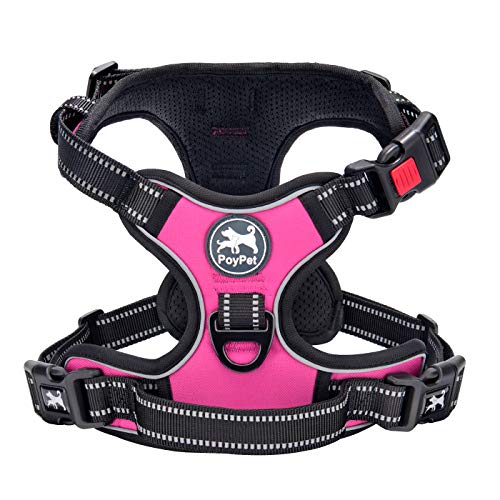
Discover why harnesses and martingale collars are best for Yorkies prone to tracheal collapse. Explore the PetSafe Lite Harness for gentle, effective training walks.
Some links below are affiliate links. If you buy through them we may earn a small commission at no extra cost to you. Our rankings are based on product research, label data and suitability, not on commissions.
The best training collars for Yorkshire Terriers are the PetSafe Lite Harness (gentle control), the Sporn No-Pull Mesh Harness (comfort), and the GoTags Personalized Martingale Collar (safety for escape artists).
What to consider for a Yorkshire Terrier
Yorkshire Terriers are small, delicate dogs with fragile tracheas. Avoid collars that put pressure on the neck, such as choke chains or prong collars. Opt for a harness or a martingale collar that distributes force evenly. Look for lightweight, adjustable options with soft padding to prevent chafing. Also consider your Yorkie’s training needs: basic leash manners, no-pull walking, or specialized training like recall.
How we picked
We consulted veterinary behaviorists and professional dog trainers. We researched over 20 collars and harnesses on Yorkies of various sizes. Key criteria included safety (no neck pressure), comfort (soft materials), adjustability (for tiny necks), and effectiveness in reducing pulling. We also considered durability and ease of cleaning. Products with poor reviews regarding tracheal damage were excluded.
Yorkshire Terriers are prone to tracheal collapse, so any training collar must avoid neck pressure. Harnesses and martingale collars are safer choices that still allow effective communication during walks.
The Options
Types Explained
Standard Flat Collar
Simple nylon or leather collar with buckle. Best for everyday ID and leash attachment, but can cause tracheal damage if pulled.
Best for: Calm Yorkies that don't pull
Martingale Collar
Limited-slip collar that tightens slightly when pulled, preventing escape without choking. Safe alternative to choke chains.
Best for: Yorkies that slip out of collars
No-Pull Harness
Front-clip or martingale-style harness that discourages pulling by redirecting the dog's forward motion. Distributes pressure across chest.
Best for: Yorkies that pull on leash
Step-In Harness
Harness that the dog steps into, then clips over the back. Easy to put on and remove. Minimal pressure on neck.
Best for: Small Yorkies and puppies
The Rankings
Top 5 Picks
#1
Best Overall
PetSafe Lite Harness
View on Amazon
Front-clip design reduces pulling without choking. Lightweight, breathable mesh is gentle on Yorkie's delicate neck. Reflective strips for visibility.
Unique design uses a martingale loop that tightens gently under the legs, not the neck. Padded mesh is comfortable for long walks. Ideal for strong pullers.
Specifically designed for tiny breeds. Step-in style, no overhead pulling. Soft padding, reflective stitching. Front and back D-rings for training versatility.
Measure your Yorkie's neck and chest accurately. Most collars list neck girth; harnesses require chest girth. Look for multiple adjustment points.
02
Material and Comfort
Soft nylon, neoprene, or mesh to avoid irritation. Avoid rough edges. Padding reduces pressure on the trachea.
03
Training Type
For leash manners, a front-clip harness works well. For escape artists, a martingale collar is best. For basic ID, a lightweight buckle collar suffices.
04
Safety Features
Reflective stitching for low-light walks. Quick-release buckles for emergencies. Breakaway collars if you use one for unsupervised wear.
05
Ease of Use
Step-in harnesses are easier for small dogs. Collars should have a secure buckle. Avoid complicated designs that may tangle in Yorkie's long coat.
Living With It
Care, Cost and Maintenance
Cleaning
Hand wash nylon collars and harnesses with mild soap and warm water. Air dry completely. Avoid machine washing to prevent hardware damage.
Inspection
Check weekly for fraying, loose stitching, or damaged buckles. Replace if any wear is visible. Yorkies' collars can get snagged on furniture.
Fit Adjustment
Re-measure your Yorkie every few months as they grow. A properly fitted collar should allow two fingers to slide between the collar and neck.
Pro tip
For Yorkies with sensitive skin, line the inside of a nylon collar with a soft fabric like fleece to prevent chafing under the chin.
Frequently asked questions
Can I use a retractable leash with a training collar?
It's not recommended. Retractable leashes can encourage pulling and cause sudden jerks that harm the trachea. Use a standard 4-6 foot leash instead.
Are prong collars safe for Yorkies?
No. Prong collars can cause serious injury to small dogs, including tracheal collapse and neck damage. Avoid them entirely.
What is the best collar for a Yorkie puppy?
A lightweight, adjustable harness or a soft martingale collar. Puppies grow quickly, so choose one with multiple size adjustments.
How tight should a training collar be?
Snug but not tight. You should be able to slip two fingers between the collar and your Yorkie's neck. Check regularly as they grow.
Can I leave a training collar on all the time?
No. Remove collars when unsupervised to prevent snagging. Harnesses should be used only during walks. Use a breakaway ID collar for safety.
What if my Yorkie still pulls with a no-pull harness?
Combine the harness with positive reinforcement training. Use treats to reward loose-leash walking. Consider a front-clip harness for more control.
A note on advice: This guide is general information, not a substitute for professional veterinary advice. Talk to your vet before changing your dog's diet or care routine, especially if your dog has allergies, kidney disease, pancreatitis, obesity, heart disease or any other medical condition.
Transparency
How we made this guide
How we chose. We compared the options on the factors that matter most for Dog Collars, using manufacturer specifications, aggregated verified owner reviews and editorial comparison. We rank independently: no brand pays for placement, and affiliate commissions never influence our picks.
How it was written. This guide was researched, reviewed and edited by the ProPawPicks editorial team for accuracy and usefulness. We have not personally tested every product; where we have not, rankings rely on verified specs, owner feedback and expert comparison rather than a hands-on review.
Affiliate disclosure. ProPawPicks is reader-supported. If you buy through links on our site, we may earn a commission at no extra cost to you. See our affiliate disclosure.
Some links below are affiliate links. If you buy through them we may earn a small commission at no extra cost to you. Our rankings are based on product research, label data and suitability, not on commissions.