Quick Answer
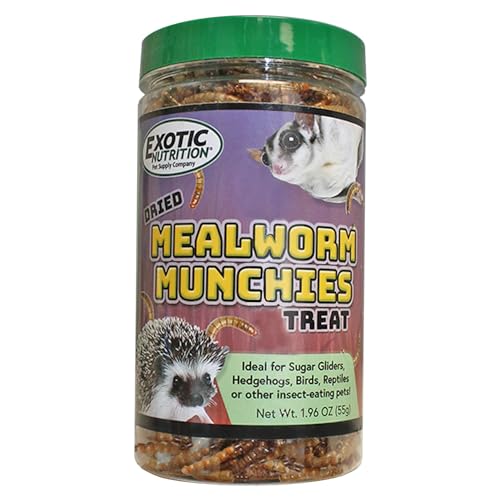
The best treats for sugar gliders are the ones that fit inside an already balanced diet without upsetting the delicate calcium to phosphorus ratio these tiny marsupials need. Good occasional choices include gut loaded insects such as mealworms and crickets, a small amount of nectar or a formulated glider treat, and tiny pieces of glider safe fruit. Treats should stay a minor part of the diet, roughly 5 to 10 percent, while a proper staple diet does the heavy lifting. Because glider nutrition is complex, confirm any treat plan with an exotics vet.
Why It Matters
Sugar gliders are omnivores with a nutrition profile that punishes shortcuts. A diet that leans too heavily on sugary fruit or ignores calcium can trigger metabolic bone disease, a painful and sometimes fatal condition where the bones weaken because calcium is pulled out of them. Treats sit right in the middle of this risk, since it is easy to over reward a bonding pet with sweet foods. Choosing treats that respect the calcium to phosphorus balance protects your glider over the long run, not just in a single feeding session.
What To Look For
Prioritize treats built around protein and calcium rather than sugar. Gut loaded or freeze dried insects mirror the insect portion of a wild glider diet and support muscle and bone health. If you offer fruit or nectar, keep the portion tiny and infrequent, and favor products with no added sugar or artificial colors. Size and texture matter too, so pick pieces small enough for a glider to hold in its paws, and match soft or crunchy textures to your pet’s age and chewing ability. Whole, recognizable ingredients almost always beat heavily processed fillers.
How We Chose
We focused on treats that a responsible glider owner could work into a balanced routine without tipping the diet toward sugar. We looked at ingredient quality, protein and calcium content, the absence of artificial additives, and how well each product reflects a glider’s natural omnivore diet. We favored insect based options, formulated glider foods that double as rewards, and limited fruit or nectar treats meant for occasional use. This is editorial research, not hands on lab testing, and none of it replaces guidance from an exotics vet who knows your specific animal.
What To Avoid
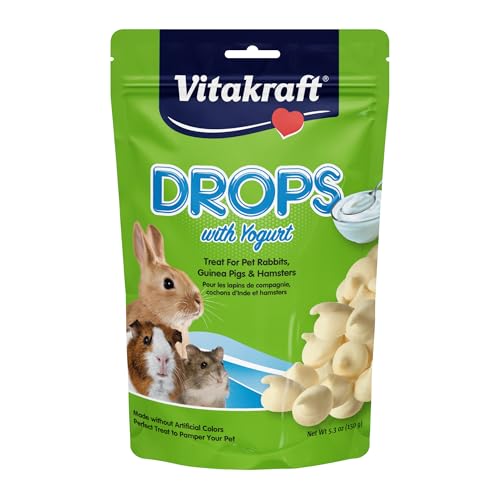
Skip anything toxic or high risk, starting with chocolate, which contains theobromine and can poison a glider. Avoid dairy beyond glider formulated yogurt products, since many gliders handle lactose poorly, and steer clear of pits and seeds from fruits like apples and cherries, which can contain harmful compounds. Watch for treats loaded with added sugar, salt, or artificial colors, and never let treats crowd out the staple diet. If a food would tilt the calcium to phosphorus balance the wrong way, leave it out and ask your exotics vet for a safer alternative.