Quick answer
For most dwarf rabbits, the best all-round tunnel is the Niteangel Guinea Pig Tubes and Tunnels, a soft fleece tube with a snug diameter and openings at both ends so a small bunny is never cornered. If you want a chew-safe edible option, pick a woven grass or seagrass tunnel and use fabric tubes only under supervision. Budget shoppers do well with the Kaytee CritterTrail Fun-nel tubes, the Ferplast Play Tube suits owners who want an easy-clean rigid layout, and the Zolux Rodytunnel adds extra entry holes for nervous rabbits.
Why tunnels matter for dwarf rabbits
Dwarf rabbits weigh roughly 1.1 to 3.5 pounds and are wired to burrow. In the wild they live in tight underground warrens, so a tunnel taps a real instinct rather than being just a toy. A tube gives a prey animal cover, a place to bolt when startled, and a low-effort way to move and stretch indoors. That sense of security lowers stress, curbs boredom, and encourages the light daily exercise a small rabbit needs to stay lean and mobile. A shy or newly homed dwarf will often settle far quicker once it has a burrow-like spot of its own to retreat into.
What to look for
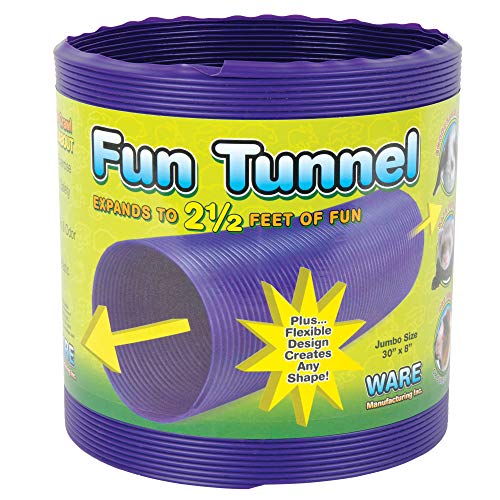
Size the tunnel to the rabbit, not to the biggest tube on the shelf. A dwarf should fit and turn around without being cramped, which usually means a diameter around 6 to 7 inches; they do not need a huge tunnel. Prioritise two openings so your rabbit always has an exit and never feels trapped, and treat a single dead-end tube as a compromise at best. Favour chew-safe materials: edible grass and seagrass tubes double as enrichment, while fabric should be non-toxic, thread-free, and machine washable. The Ferplast Play Tube and Ware Fun Tunnels both hold their shape well, which reassures a jumpy bunny that the walls will not collapse mid-hop.
How we chose
We shortlisted tunnels sold for small pets, then filtered for dwarf-friendly diameters, at least two exits or added entry holes, and materials that are safe to gnaw or easy to sanitise. We compared real specs such as the 7 inch Niteangel fleece tube, the cardboard Kaytee Fun-nel, the rigid snap-together Ferplast sections, and the Zolux Rodytunnel with three entrances. Security, chew safety, and ease of cleaning carried more weight than looks, and anything with loose parts or a cramped opening was set aside.
What to avoid
Skip tunnels so wide the rabbit cannot brace against the walls, since that removes the snug, burrow-like feel a dwarf is looking for. Avoid painted or dyed parts, glued seams, and loose threads that a curious bunny can pull free. Never leave a dwarf alone with a fabric tunnel it has started to chew: swallowed fabric can cause a dangerous gut blockage, so remove any gnawed tube right away and ask your vet if your rabbit seems off, stops eating, or passes fewer droppings. Flimsy tubes that collapse mid-hop can also spook a small, sensitive rabbit and put them off tunnels for good.