Quick answer
The single best tunnel for a gerbil is the one it digs itself. Gerbils are intense, natural burrowers, so a deep layer of bedding they can tunnel through matters more than any product you buy. Aim for at least 6 inches of bedding, and more is better. On top of that, add chew-safe tunnels made from cork, untreated wood, ceramic, or plain cardboard. Our favourite add-on is a natural cork bark tunnel because it is fully chewable, mimics a wild burrow, and holds up in deep substrate.
Why deep bedding and burrowing come first
In the wild, gerbils build long branching tunnel systems with sleeping chambers and multiple exits. A cage with only a few inches of bedding cannot support this behaviour, and gerbils that cannot dig often bar-chew or pace out of frustration. Give them a deep, packable substrate such as a mix of paper bedding and safe hay, and they will excavate their own tunnels for weeks. A bought tunnel is a supplement to that burrow, not a replacement for it. Half-bury cork or wooden tunnels in the bedding so they become part of the dug network rather than a plastic tube sitting on top.
What to look for
Chew safety is the first filter. Gerbils gnaw constantly, so a tunnel must be made of cork, untreated wood, ceramic, or cardboard, materials that are safe to nibble. Pick a width your gerbil can pass through without squeezing, usually around 2.5 inches or wider. Favour open ends or good airflow so ammonia does not build up inside. Finally, choose tunnels that can be buried, brushed off, or cheaply replaced, because in a deep-bedding setup they will get dug into and soiled.
How we chose
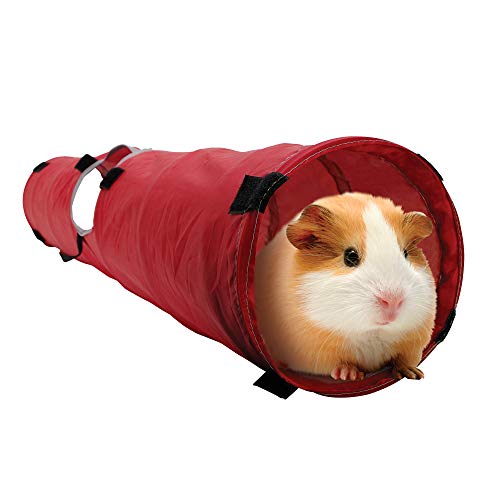
We prioritised gerbil welfare and natural behaviour over gimmicks. Picks had to be chew-safe first, then burrow-friendly, then easy to keep clean. We favoured natural cork and wooden tunnels such as the Niteangel cork and wood tubes, added a ceramic hide for a cool, indestructible option, and kept simple cardboard tubes on the list because they are cheap, safe to gnaw, and double as nesting material. Fabric tunnels like the Rosewood hyacinth ranked lower because heavy chewers can shred them.
What to avoid
Skip plastic tube systems as the main structure. Gerbils quickly gnaw through plastic, and swallowed fragments are a real blockage and choking risk. Narrow plastic tubes also ventilate poorly and trap heat and ammonia. Modular sets like clip-together habitat tubes look fun but rarely survive a determined gerbil. If you already own plastic tubes, use them only as short, well-ventilated bridges under supervision, and lean on deep bedding plus cork, wood, ceramic, or cardboard for the real enrichment. Watch for gnawed edges and small swallowable fragments, and remove any damaged piece right away. When in doubt about your gerbil’s health, such as reduced appetite or a swollen belly, ask an exotics vet.