Quick answer
The best tunnel for a hamster is not a store-bought tube at all. It is deep bedding, six inches or more, that lets your hamster dig and shape its own natural burrows. Add-on tunnels are enrichment on top of that base, and the safest ones are untreated natural cork tunnels, solid wooden bridges, and wide grass tunnels. Narrow plastic tube sets like the Kaytee CritterTrail Fun-nel and Living World Habi-Trail look playful, but they suit dwarf hamsters far better than Syrians and should be used sparingly.
Why tunnels and burrowing matter
Hamsters are burrowing animals. In the wild they dig long, branching tunnels to sleep, store food, and stay safe from predators. When a hamster cannot dig, it may bar-chew, pace, or climb the cage repeatedly, all common signs of stress and boredom. Deep, packable bedding gives that natural outlet, letting your hamster carve its own chambers and passages. A cork or wooden tunnel then adds a shady hideout your hamster can rest in and gnaw. Together this mix supports physical activity, healthy teeth, and the calm, secure rest a hamster needs during the day, which is exactly what a single plastic tube cannot deliver on its own.
What to look for
Pick a wide diameter that fits your hamster with room to turn around, never a snug squeeze. Favor untreated wood and natural cork, which are safe to chew and breathe well. A wide, ridged grass tunnel is another gentle, budget option. If you add plastic, choose short, wide sections and skip long narrow runs that seal in moisture. Smooth interiors, no sharp seams or splinters, and quick cleaning round out a good choice. Above all, treat the bedding as the main event and the tunnel as a bonus.
How we chose
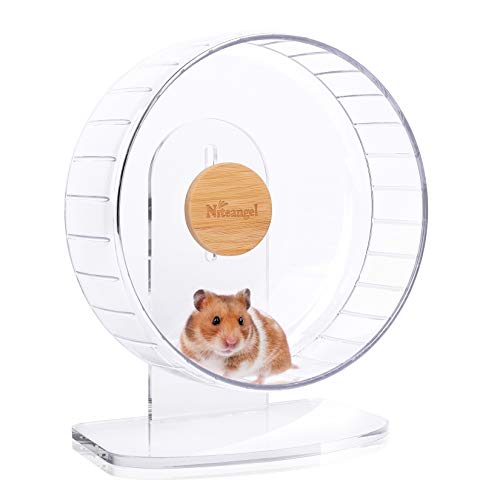
We prioritized hamster welfare over novelty. Options were judged on burrow support, correct sizing for both Syrians and dwarfs, chew safety, ventilation, and how easily each one cleans. Natural materials scored highest because they are safe to gnaw and let air move freely. The Niteangel Super-Silent setup earned a nod for pairing a quiet wheel with modular space, and the Ferplast play tube is sturdier than most. Plastic tube kits like the Kaytee CritterTrail and Living World Habi-Trail ranked lower, since narrow runs trap humidity and can be a poor fit for larger hamsters.
What to avoid
Avoid long, narrow plastic tube networks as a main habitat. Tubes that are too tight can leave a Syrian hamster stuck, and their sealed shape traps warm, moist air and condensation, which is unhealthy for the lungs. Never file down a tube or force a hamster through a snug fit. Watch fabric tunnels closely, since loose fleece threads can catch toes or be swallowed. Skip painted or varnished wood, and replace any piece that splinters or frays. When in doubt, size up, lean natural, and let the bedding do the heavy lifting.


