Quick answer
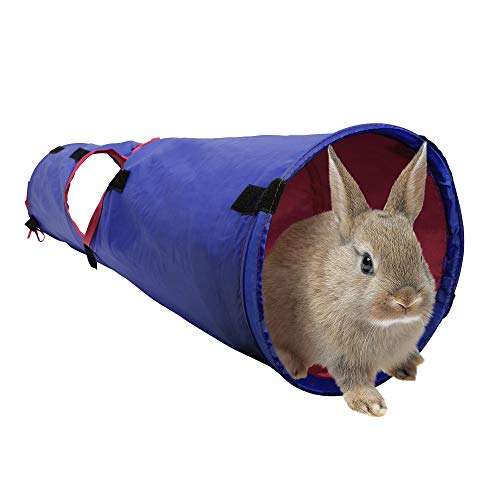
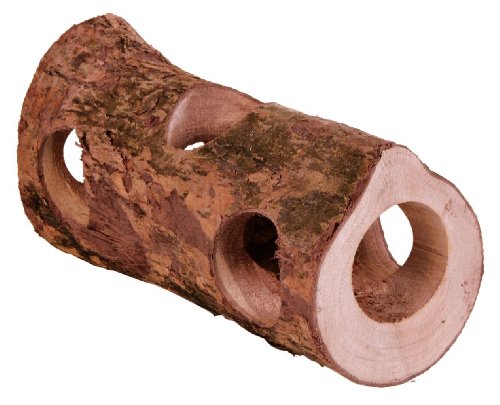
The best tunnel for a pet rat is a sturdy, chew-resistant tube at least 4 to 5 inches wide, big enough for a full-grown rat to pass through without squeezing. For most homes a rigid or bendy plastic tunnel like the Kaytee CritterTrail Fun-nel or the Niteangel bendable tubes gives the best mix of durability, easy cleaning, and expandability. Willow or cork tunnels are excellent for chewers, while soft fabric tunnels add cozy hideouts but need supervision because rats can gnaw and swallow threads.
Why it matters
Rats are intelligent, active, social animals, and tunnels answer several needs at once. They offer a safe, enclosed space that eases stress, a surface to climb and burrow through for exercise, and a shared play zone that helps a bonded pair or group interact peacefully. A rat left in a bare cage often grows bored or anxious, so a well placed tunnel is a simple, low cost way to enrich daily life. If your rat shows breathing trouble, sneezing, or reluctance to move, that points to a health issue rather than a toy choice, and an exotics vet should take a look.
What to look for
Prioritize diameter first: a full grown male rat needs roughly 4 to 5 inches so he never gets stuck. Choose materials that hold up to chewing, such as thick non toxic plastic, untreated willow, or cork, and favor tunnels with more than one opening so a rat is never cornered. Modular tubes that connect into a network encourage more movement, and any tunnel you pick should come apart easily for weekly cleaning to stop ammonia buildup from urine.
How we chose
We focused on size, material safety, and real world durability, cross checking manufacturer specs against what rat owners consistently report. We favored purpose built small animal tunnels over improvised pipe, gave extra weight to chew resistance and washability, and flagged fabric options as supervise only. We do not physically test these products in a lab, so treat our picks as researched editorial guidance, not hands on trials, and confirm current sizing before you buy.
What to avoid
Skip anything under 4 inches wide, since a large rat can wedge in and panic. Avoid painted or treated wood, tunnels with small detachable parts, and thin plastic that splinters when chewed. Do not leave a rat alone with a soft fabric tunnel for long stretches, because swallowed fabric can cause a dangerous blockage. Slippery PVC with sharp cut edges is a poor substitute for a proper tunnel, and if you ever suspect your rat has swallowed material or is straining, contact an exotics vet right away.