Quick Answer
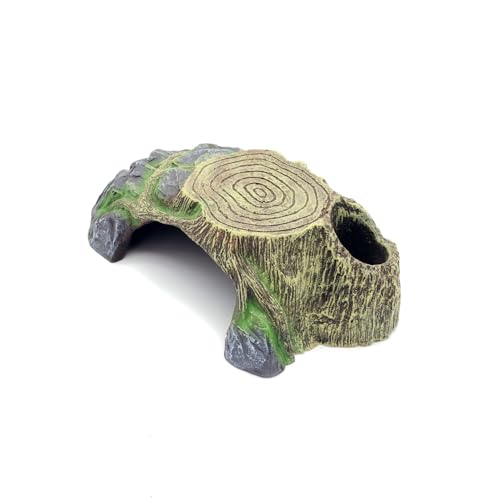
The best tunnel for a Russian tortoise is not a rodent style tube but a sturdy, burrow like hide that gives a dark, secure retreat. Russian tortoises are natural diggers, so pair any tunnel or cave with deep, loose substrate they can excavate themselves. Look for a low single entrance, a non toxic material such as resin or food grade plastic, and a size that lets an adult turn around without scraping its shell. A stable, tip proof base matters most, because a collapse over a burrowing tortoise is a real risk.
Why It Matters
In the wild, Russian tortoises spend much of the day underground in burrows that buffer heat, cold, and predators. A good tunnel recreates that sense of safety inside a captive enclosure, lowering stress and giving your tortoise a shaded microclimate to escape the basking lamp. Without a proper hide, tortoises can pace the glass, dig at corners, or stay stressed and reluctant to eat. A well chosen retreat supports calmer, more natural behavior, which is a foundation of good husbandry.
What to Look For
Size comes first: adults reach roughly six to ten inches, so the hide should be wide and tall enough for the whole shell to fit with room to turn. Choose smooth, non porous, non toxic materials that clean easily and will not chip into pieces a tortoise could swallow. Favor a heavier or textured base that resists tipping, since these tortoises push, climb, and dig with surprising force. Some airflow helps, but remember Russian tortoises want a dry enclosure overall, with any humid retreat kept separate.
How We Chose
We focused on burrow style caves and half log style hides that suit a Russian tortoise’s body shape and low burrow entrances, rather than narrow tubes made for rodents. We compared real product specifications for interior space, material safety, stability, and ease of cleaning, and we favored sturdy resin, ceramic, and food grade plastic designs. We did not lab test these products ourselves, so treat this as editorial research. Always confirm any setup with a qualified exotics or reptile veterinarian who knows your animal.
What to Avoid
Avoid flimsy fabric or wire tunnels that can collapse, snag nails, or trap a digging tortoise. Skip anything with sharp edges, loose small parts, or coatings and paints that are not confirmed reptile safe. Do not rely on a tunnel alone: without correct heat, UVB lighting, and enough open floor space, no hide will keep a Russian tortoise healthy. If your tortoise refuses a hide, hides constantly, or shows signs of illness, contact an exotics vet promptly instead of guessing.