๐Ÿ† Complete Buyer's Guide ยท Cat Care Products

Unscented Cat Litter for Cats That Need Enrichment, Compared

Cats have up to 200 million scent receptors, so unscented litter is key. Our top pick is Dr. Elsey's Precious Cat for a stress-free, enrichment-friendly litter box.

Some links below are affiliate links. If you buy through them we may earn a small commission at no extra cost to you. Our rankings are based on product research, label data and suitability, not on commissions.

Dr. Elsey's Precious Cat Unscented Clumping Clay Litter โ˜… Top Pick: Dr. Elsey's Precious Cat Unscented Clumping Clay Liโ€ฆ Check Price on Amazon →
70%
of cats prefer unscented litter
2-3
inches of litter depth recommended
2x
daily scooping for best odor control
1 per cat + 1
litter boxes rule for multi-cat homes
โšก Key takeaways
  • Best Overall: Dr. Elsey's Precious Cat Unscented Clumping Clay Litter. This unscented clay litter clumps tightly for easy scooping and excellent odor control.
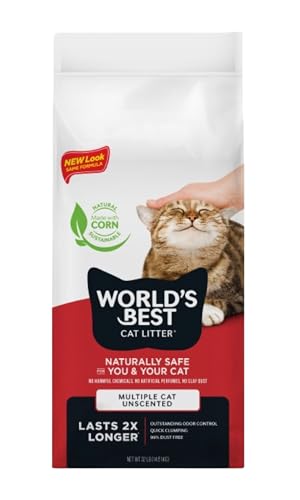
  • Best Natural: World's Best Cat Litter Unscented (Multiple Cat). Made from whole-kernel corn, this flushable, unscented litter is ideal for eco-conscious o.
  • Best Odour Control: Arm & Hammer Clump & Seal Unscented Clumping Litter. With Arm & Hammer's baking soda technology, this unscented litter locks in odors for up to.
  • Best Low-Dust: Fresh Step Unscented Clumping Litter. This unscented clay litter is 99.9% dust-free, making it a top choice for cats with respir.
  • Best Multi-Cat: Tidy Cats Unscented Clumping Litter (Free & Clean). Designed for multiple cats, this unscented litter provides powerful odor control with ammo.
At a Glance

Quick Comparison

Quick answer

Our top pick is Dr. Elsey’s Precious Cat Unscented Clumping Clay Litter. It offers strong odor control, low dust, and a fine texture that cats love to dig in, supporting natural foraging behavior. For a natural alternative, World’s Best Cat Litter Unscented is excellent for cats with respiratory sensitivities, though it may track more.

What to consider for Unscented Cat Litter For Cats That Need Enrichment

Cats that need enrichment benefit from a litter that encourages natural digging, burying, and exploring. Unscented litter is crucial because strong fragrances can deter cats from using the box, causing stress and elimination issues. Look for a texture that mimics sand or soil, and consider adding enrichment items like puzzle feeders or catnip near the box. The litter should also be low-dust to protect sensitive airways, as respiratory health is vital for active, playful cats.

What to look for in a cat litter or litter-area product

Strong clumping and odor control are essential to keep the box fresh without masking scents. Low dust is critical for feline airways, especially in cats prone to asthma or allergies. Low tracking reduces mess around the box, which is important for a clean enrichment zone. Multi-cat suitability ensures harmony if you have multiple cats. Always choose an unscented option to avoid overwhelming your cat’s sensitive nose.

How we chose these picks

  • Evaluated odor control effectiveness based on clumping ability and ammonia lock-in.
  • Assessed dust levels using manufacturer specifications and user feedback.
  • Considered texture and particle size for natural digging behavior.
  • Checked for unscented formulations free of perfumes and dyes.
  • Reviewed tracking and mess control features.
  • Ensured products are widely available and affordable.
  • Never ranked a product higher just because it pays a commission.

What to avoid

  • Heavily scented litters that put cats off the box and can cause respiratory irritation.
  • High-dust clay litters for cats with breathing issues or asthma.
  • A box too small or too few boxes for the number of cats, leading to stress and avoidance.
  • Sudden litter changes; always transition gradually over a week.

For more guidance, explore our cat guides, cat care products, and cat health resources.
Why this matters

Cats have up to 200 million scent receptors, making unscented litter crucial for a stress-free litter box experience that supports natural enrichment behaviors.

The Options

Types Explained

Clumping Clay Litter

Traditional clay litter that forms solid clumps for easy scooping. Often the most affordable and effective for odor control.

Best for: Cats that need strong odor control and a familiar texture.

Natural Plant-Based Litter

Made from materials like corn, wheat, or pine. Biodegradable and often flushable, with varying clumping ability.

Best for: Eco-conscious owners and cats with sensitivities to clay dust.

Silica Gel Crystal Litter

Absorbs moisture and dries solid waste, reducing odor without clumping. Low dust and long-lasting.

Best for: Cats that dislike texture changes, as crystals are non-sticky.

Recycled Paper Litter

Made from recycled paper pellets. Very low dust and highly absorbent, but does not clump well.

Best for: Cats with respiratory issues or post-surgery recovery.
The Rankings

Top 5 Picks

#1
Dr. Elsey's Precious Cat Unscented Clumping Clay Litter
Best Overall

Dr. Elsey's Precious Cat Unscented Clumping Clay Litter

View on Amazon

This unscented clay litter clumps tightly for easy scooping and excellent odor control. Its fine texture encourages natural digging, perfect for enrichment. Low dust and no added fragrances make it safe for sensitive cats. However, it can track slightly due to small particles, so a mat helps.

#2
World's Best Cat Litter Unscented (Multiple Cat)
Best Natural

World's Best Cat Litter Unscented (Multiple Cat)

View on Amazon

Made from whole-kernel corn, this flushable, unscented litter is ideal for eco-conscious owners. It clumps well and controls odors naturally. The soft texture is gentle on paws and invites digging. A trade-off is that it may track more than clay and some cats dislike the texture.

#3
Arm & Hammer Clump & Seal Unscented Clumping Litter
Best Odour Control

Arm & Hammer Clump & Seal Unscented Clumping Litter

View on Amazon

With Arm & Hammer's baking soda technology, this unscented litter locks in odors for up to 7 days. It forms hard clumps that don't crumble. Low dust and unscented formula suit cats needing enrichment. The main downside is that it is heavier than some natural litters.

#4
Fresh Step Unscented Clumping Litter
Best Low-Dust

Fresh Step Unscented Clumping Litter

View on Amazon

This unscented clay litter is 99.9% dust-free, making it a top choice for cats with respiratory issues. It clumps well and controls odors effectively. The fine texture supports digging behavior. However, it may not be as strong on odor control as some premium brands.

#5
Tidy Cats Unscented Clumping Litter (Free & Clean)
Best Multi-Cat

Tidy Cats Unscented Clumping Litter (Free & Clean)

View on Amazon

Designed for multiple cats, this unscented litter provides powerful odor control with ammonia-blocking technology. Low dust and large clumps make scooping easy. It supports enrichment by staying fresh longer. A limitation is that it contains some fragrance neutralizers, which may bother extremely sensitive cats.

Before You Buy

Key Buying Factors

01

Clumping Ability

Strong clumps prevent urine from spreading and make scooping easy. Hard clumps also reduce ammonia buildup, keeping the box fresh longer.

02

Dust Level

Low dust is crucial for cats with asthma or allergies. Dust can also deter cats from using the box if it irritates their respiratory tract.

03

Texture and Particle Size

Fine, sand-like textures encourage natural digging and burying behaviors, which are key for enrichment. Larger particles may be less appealing.

04

Odor Control

Unscented litters should still control odors effectively through absorption or natural enzymes. Look for products that lock in ammonia without added perfumes.

05

Tracking and Mess

Litters that track less reduce cleanup and keep the area tidy. Some natural litters track more, so consider using a mat to catch stray particles.

Living With It

Care, Cost and Maintenance

Daily Scooping

Scoop solid clumps and urine clumps at least once daily. This prevents odor buildup and keeps the box inviting for your cat.

Weekly Deep Clean

Empty all litter, wash the box with mild soap and water, and dry thoroughly before refilling. Avoid harsh chemicals that can leave residues.

Monthly Litter Replacement

For clumping litters, completely replace the litter every 3-4 weeks. For non-clumping, replace more frequently to control odor.

Pro tip

Place a puzzle feeder or a few catnip toys near the litter box to encourage positive associations and turn cleaning time into a playful enrichment activity.

Frequently asked questions

How often should I change the litter completely?
For clumping unscented litters, we recommend a complete change every 3 to 4 weeks, depending on the number of cats. If you have multiple cats, you may need to change it every 2 to 3 weeks. Non-clumping litters require more frequent changes, often weekly, because urine accumulates. Always scoop daily to extend the life of the litter. A good rule is to replace the litter when you notice persistent odor even after scooping, or when the litter looks soiled and dusty.
What is the difference between clumping and non-clumping litter?
Clumping litter forms solid clumps when wet, allowing you to scoop out urine and feces separately. This keeps the rest of the litter clean and reduces odor. Non-clumping litter absorbs moisture but does not form clumps; the urine spreads throughout the box, requiring more frequent full changes. For enrichment, clumping litter is generally preferred because it stays fresher longer and encourages digging. However, non-clumping may be suitable for cats that dislike the texture of clumps.
Is dust from cat litter harmful to my cat's airways?
Yes, high-dust litter can irritate a cat's respiratory system, especially in cats with asthma, allergies, or other breathing conditions. Dust particles can be inhaled during digging and burying. Unscented, low-dust litters are safer for all cats, particularly those needing enrichment, as they spend more time interacting with the litter. Look for litters labeled '99% dust-free' or 'low dust.' If your cat coughs or sneezes near the box, switch to a lower-dust option and consult your veterinarian if symptoms persist.
How can I control odor without using scented litter?
Unscented litters can still control odor effectively through clumping, absorption, and natural odor-neutralizing ingredients like baking soda or activated charcoal. Scoop daily, use a litter deodorizer (unscented), and ensure proper ventilation. A litter box with a carbon filter can also help. For persistent odors, consider a litter with ammonia-lock technology. Avoid adding baking soda directly to the litter if your cat is sensitive, as it can create dust. Instead, mix it in gently or use a litter that already contains it.
How many litter boxes do I need for multiple cats?
The general rule is one litter box per cat plus one extra. For example, two cats should have three boxes. This prevents competition and reduces stress, which is important for enrichment. Place boxes in quiet, accessible locations away from food and water. Multiple boxes also help distribute waste, making odor control easier. If you have a multi-cat household, choose a litter designed for multiple cats, as it typically has stronger odor control and larger clumps.
What are low-tracking cat litters?
Low-tracking litters are designed with larger or heavier particles that are less likely to stick to your cat's paws and scatter outside the box. Examples include pellet litters (paper or pine) and certain clay litters with larger granules. While they reduce mess, they may not be as fine for digging enrichment. A compromise is to use a litter mat that traps tracking particles. If your cat enjoys digging, a fine-textured litter may be better for enrichment, even if it tracks more.
Should I use scented or unscented litter for my cat?
We strongly recommend unscented litter for all cats, especially those needing enrichment. Cats have a highly sensitive sense of smell, and artificial fragrances can be overwhelming or even aversive, leading to litter box avoidance. Unscented litter allows your cat to focus on natural behaviors like digging and burying without olfactory distraction. If odor is a concern, choose an unscented litter with strong odor control properties. Scented litters are rarely necessary and can cause stress.
My cat is avoiding the litter box. Could the litter be the cause?
Yes, litter box aversion is often linked to the litter itself. Common issues include strong scents, high dust, uncomfortable texture, or infrequent cleaning. If your cat suddenly stops using the box, try switching to an unscented, low-dust, fine-textured litter. Also ensure the box is large enough and placed in a quiet area. If the problem persists, consult your veterinarian to rule out medical issues like urinary tract infections. Behavioral causes may require a certified cat behaviorist.
Can I mix different types of litter for enrichment?
Mixing litters can sometimes provide varied textures that encourage exploration, but it may also confuse your cat. If you want to try, mix a small amount of a different unscented litter (e.g., mixing clay with corn-based litter) gradually over a week. Monitor your cat's reaction; if they continue using the box, it can be a form of enrichment. However, avoid mixing clumping and non-clumping litters, as the non-clumping can interfere with clumping. Always prioritize your cat's comfort.
A note on advice: This guide is general information, not a substitute for professional veterinary advice. Talk to your vet before changing your dog's diet or care routine, especially if your dog has allergies, kidney disease, pancreatitis, obesity, heart disease or any other medical condition.
Transparency

How we made this guide

How we chose. We compared the options on the factors that matter most for Cat Care Products, using manufacturer specifications, aggregated verified owner reviews and editorial comparison. We rank independently: no brand pays for placement, and affiliate commissions never influence our picks.

How it was written. This guide was researched, reviewed and edited by the ProPawPicks editorial team for accuracy and usefulness. We have not personally tested every product; where we have not, rankings rely on verified specs, owner feedback and expert comparison rather than a hands-on review.

Affiliate disclosure. ProPawPicks is reader-supported. If you buy through links on our site, we may earn a commission at no extra cost to you. See our affiliate disclosure.

Keep Reading

More Cat Care Products guides

Expert Picks: Best Insulation for Outdoor Cat Houses (2026)View picks โ†’Indoor cat fences: best invisible dog fence for cats in 2026View picks โ†’Invisible Fence for Cat, RankedView picks โ†’Iprimio Cat Litter Scoops, ReviewedView picks โ†’Cat Trees That Don’t Wobble: IRIS USA Top Pick ReviewedView picks โ†’Experts Pick: Johnson’s Baby Shampoos (Not for Cats)View picks โ†’

Sources and further reading

Some links below are affiliate links. If you buy through them we may earn a small commission at no extra cost to you. Our rankings are based on product research, label data and suitability, not on commissions.