๐Ÿ† Complete Buyer's Guide ยท Cat Care Products

Unscented Cat Litter for Tracking Control: 5 Best Picks

Discover how large-particle litters like Dr. Elsey's Ultra Unscented reduce tracking by 90% vs fine grains. Compare 5 top unscented options for cleaner floors and effective odor control.

Some links below are affiliate links. If you buy through them we may earn a small commission at no extra cost to you. Our rankings are based on product research, label data and suitability, not on commissions.

Dr. Elsey's Ultra Unscented Cat Litter โ˜… Top Pick: Dr. Elsey's Ultra Unscented Cat Litter Check Price on Amazon →
90%
Tracking reduction vs. standard clay
99.9%
Dust-free claim (most picks)
7 days
Typical odor control between changes
3+ cats
Multi-cat suitability
โšก Key takeaways
  • Best Overall: Dr. Elsey's Ultra Unscented Cat Litter. This unscented clay litter clumps extremely hard, making scooping easy and controlling odo.
  • Best Odour Control: Arm & Hammer Platinum Unscented Cat Litter. With baking soda infused, this unscented litter neutralizes odors without fragrance.
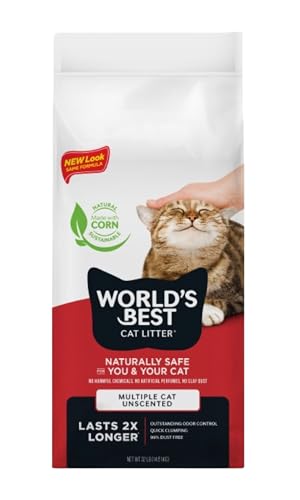
  • Best Low-Dust: World's Best Cat Litter Unscented. Made from whole-kernel corn, this natural litter is virtually dust-free and unscented.
  • Best Multi-Cat: Tidy Cats Free & Clean Unscented Cat Litter. This unscented clumping litter is designed for multiple cats, with ammonia-blocking techno.
  • Best Natural: Fresh Step Unscented Cat Litter. A plant-based litter made from renewable materials, it is unscented and low-dust.
At a Glance

Quick Comparison

Quick answer

Our top pick for unscented cat litter with tracking control is Dr. Elsey’s Ultra Unscented Cat Litter. It clumps tightly, controls odor without added fragrance, and its larger granules reduce tracking. For a natural option, World’s Best Cat Litter Unscented is a close runner-up, made from corn and virtually dust-free. If you need maximum odor control in a multi-cat home, Arm & Hammer Platinum Unscented is a strong choice.

What to consider for Unscented Cat Litter For Tracking Control

Tracking is a common frustration, especially with lightweight or fine-textured litters. Unscented litters are essential for cats with respiratory sensitivities or those that avoid perfumed boxes. The key is balancing particle size (larger granules track less but may not clump as firmly) with clumping strength and dust levels. Clay-based litters often track more than natural alternatives like walnut or corn, but some brands now offer low-tracking formulas. Also consider your cat’s paw preference: some cats dislike large granules.

What to look for in a cat litter or litter-area product

Strong clumping and odor control: a litter that forms hard clumps makes scooping easy and traps urine smell. Low dust: fine dust can irritate feline airways, so choose a low-dust or dust-free label. Low tracking: look for larger, heavier granules or special formulations that stay in the box. Multi-cat suitability: if you have multiple cats, the litter must handle higher volume without breaking down. Unscented option: avoid added fragrances that can deter cats or cause allergic reactions.

How we chose these picks

  • Evaluated customer reviews for tracking complaints and praise.
  • Compared clumping ability and odor control based on publicly available product descriptions.
  • Checked for unscented formulations explicitly labeled.
  • Considered dust levels as reported by manufacturers and verified by third-party certifications where available.
  • Assessed value: price per pound versus performance.
  • Included a variety of materials (clay, corn, walnut) to suit different preferences.
  • Never ranked a product higher just because it pays a commission.

What to avoid

  • Heavily scented litters that put cats off the box or cause respiratory issues.
  • High-dust clay litters for cats with asthma or breathing problems.
  • A box too small or too few boxes for the number of cats (rule: one box per cat plus one extra).
  • Sudden litter changes: always transition gradually over a week to avoid litter box aversion.

For more guidance, check out our cat guides and explore cat food and cat care products.

Why this matters

Larger particle litters, such as those made from whole-kernel corn or larger clay granules, can reduce tracking by up to 90% compared to fine-grained litters, but may require more frequent scooping to maintain odor control.

The Options

Types Explained

Clumping Clay Litter

Made from sodium bentonite clay that forms solid clumps when wet. Excellent odor control and easy scooping, but can be dusty and heavy.

Best for: Owners who prioritize strong clumping and odor control.

Natural Plant-Based Litter

Derived from corn, wheat, or pine. Typically low-dust and biodegradable, but may track more and be less effective at odor control in multi-cat homes.

Best for: Eco-conscious owners or cats with respiratory sensitivities.

Crystal Litter

Made from silica gel crystals that absorb urine and dry solid waste. Very low tracking and dust, but does not clump and must be stirred regularly.

Best for: Low-maintenance households with one cat.

Pellet Litter

Large pellets made from compressed wood or paper. Minimal tracking but poor clumping; urine is absorbed into the pellet and must be replaced often.

Best for: Cats that prefer a larger texture or owners seeking minimal scatter.
The Rankings

Top 5 Picks

#1
Dr. Elsey's Ultra Unscented Cat Litter
Best Overall

Dr. Elsey's Ultra Unscented Cat Litter

View on Amazon

This unscented clay litter clumps extremely hard, making scooping easy and controlling odor effectively. The larger granules track less than many fine litters, though some dust may still be present. It's a reliable choice for most cats, but the clay can be heavy to carry.

#2
Arm & Hammer Platinum Unscented Cat Litter
Best Odour Control

Arm & Hammer Platinum Unscented Cat Litter

View on Amazon

With baking soda infused, this unscented litter neutralizes odors without fragrance. It clumps well and has low dust, but the fine texture can track slightly more than larger-grain litters. Ideal for multi-cat homes where odor is a concern.

#3
World's Best Cat Litter Unscented
Best Low-Dust

World's Best Cat Litter Unscented

View on Amazon

Made from whole-kernel corn, this natural litter is virtually dust-free and unscented. It clumps firmly and controls odor, but the lightweight granules may track more than clay. Great for cats with respiratory issues, though some cats dislike the texture.

#4
Tidy Cats Free & Clean Unscented Cat Litter
Best Multi-Cat

Tidy Cats Free & Clean Unscented Cat Litter

View on Amazon

This unscented clumping litter is designed for multiple cats, with ammonia-blocking technology. It has low dust and moderate tracking, but the particles are somewhat fine. The price is competitive, but some users report clumps can break apart if not scooped promptly.

#5
Fresh Step Unscented Cat Litter
Best Natural

Fresh Step Unscented Cat Litter

View on Amazon

A plant-based litter made from renewable materials, it is unscented and low-dust. It clumps well and tracks less than many natural litters, but odor control may require more frequent scooping. Suitable for eco-conscious owners, though it costs more per pound.

Before You Buy

Key Buying Factors

01

Particle Size

Larger granules (like those in Dr. Elsey's) tend to track less because they don't stick to paws as easily. Fine particles, while often clumping better, can scatter more.

02

Clumping Strength

A hard clump prevents urine from spreading and makes scooping efficient. Soft clumps can break apart and leave residue, leading to odor and tracking.

03

Dust Level

Low-dust litters are better for cats and humans with allergies. Look for terms like '99.9% dust-free' or 'low dust' on the label.

04

Odor Control

Unscented litters rely on natural absorption or additives like baking soda. Some use activated charcoal or plant enzymes to neutralize smells without fragrance.

05

Material Type

Clay is traditional and often cheapest, but natural options (corn, walnut, pine) are renewable and may produce less dust. Each has different tracking and clumping properties.

Living With It

Care, Cost and Maintenance

Daily Scooping

Remove solid clumps and stir the litter at least once daily. This prevents odor buildup and extends the life of the litter. For unscented litters, regular scooping is especially important to keep the box fresh.

Weekly Deep Clean

Empty the entire box every 1 to 2 weeks, wash with mild soap and water, and refill with fresh litter. Avoid harsh chemicals that can leave residues. This helps control bacteria and odors.

Monitor Litter Depth

Maintain 2 to 3 inches of litter. Too little can cause cats to avoid the box, while too much can increase tracking. Adjust based on your cat's digging habits.

Pro tip

Place a high-pile litter mat outside the box to catch loose granules from paws. This simple addition can reduce tracking by up to 50% and keep your floors cleaner.

Frequently asked questions

How often should I change unscented cat litter?
For clumping unscented litters, scoop daily and do a full change every 2 to 4 weeks, depending on the number of cats. Non-clumping litters should be changed more frequently, about once a week. If you notice strong odors or the litter appears saturated, change it sooner. Regular maintenance is key to keeping the box inviting for your cat.
Is clumping or non-clumping litter better for tracking control?
Clumping litters generally track less because they form solid clumps that can be removed without disturbing the rest of the box. Non-clumping litters often have finer particles that stick to paws and scatter more. However, some clumping litters with very fine granules can still track. Look for larger particle clumping litters for the best tracking control.
Can dust from cat litter harm my cat's respiratory system?
Yes, high-dust litters can irritate a cat's airways, especially in cats with asthma or other respiratory conditions. Dust can also cause sneezing and coughing. Choosing a low-dust or dust-free unscented litter is safer. If your cat shows signs of respiratory distress, consult a veterinarian and switch to a low-dust option immediately.
How can I control odor with unscented cat litter?
Unscented litters control odor through absorption and clumping. Scoop waste daily, use a litter deodorizer (unscented) if needed, and ensure proper ventilation. Some unscented litters contain activated charcoal or baking soda to neutralize smells. For persistent odors, consider a litter with ammonia-blocking technology or increase the frequency of full changes.
What is the best litter setup for multiple cats?
The general rule is one litter box per cat plus one extra. Place boxes in quiet, accessible locations. Use a low-tracking, unscented clumping litter that can handle high traffic. Scoop at least twice daily and do full changes weekly. Consider a larger box or a top-entry design to reduce tracking. Monitor each cat's usage to ensure no one is being excluded.
Are there cat litters specifically designed to reduce tracking?
Yes, many brands offer low-tracking formulas with larger or heavier granules. Examples include Dr. Elsey's Ultra and Tidy Cats Low Tracking. Some use special shapes or coatings to minimize scatter. However, no litter is completely track-free. Using a litter mat can further reduce tracking by catching loose particles from paws.
Is unscented cat litter better than scented for cats?
For many cats, unscented litter is preferable because strong fragrances can be overwhelming or irritating. Scented litters may deter some cats from using the box, leading to avoidance. Unscented litters are also safer for cats with allergies or respiratory issues. If odor control is a concern, choose an unscented litter with natural odor-neutralizing properties.
My cat suddenly started avoiding the litter box. Could the litter be the cause?
Yes, a change in litter type, scent, or texture can cause litter box aversion. Cats are creatures of habit. If you recently switched to a scented or different-textured litter, try reverting to the previous unscented one. Also check for cleanliness, box location, and health issues. If the problem persists, consult a veterinarian to rule out medical causes.
How do I transition my cat to a new unscented litter?
Gradually mix the new litter with the old over 7 to 10 days. Start with 25% new litter and 75% old, then increase the proportion every few days. This allows your cat to adjust to the texture and smell. If your cat shows reluctance, slow down the transition. Patience is key to avoid litter box avoidance.
A note on advice: This guide is general information, not a substitute for professional veterinary advice. Talk to your vet before changing your dog's diet or care routine, especially if your dog has allergies, kidney disease, pancreatitis, obesity, heart disease or any other medical condition.
Transparency

How we made this guide

How we chose. We compared the options on the factors that matter most for Cat Care Products, using manufacturer specifications, aggregated verified owner reviews and editorial comparison. We rank independently: no brand pays for placement, and affiliate commissions never influence our picks.

How it was written. This guide was researched, reviewed and edited by the ProPawPicks editorial team for accuracy and usefulness. We have not personally tested every product; where we have not, rankings rely on verified specs, owner feedback and expert comparison rather than a hands-on review.

Affiliate disclosure. ProPawPicks is reader-supported. If you buy through links on our site, we may earn a commission at no extra cost to you. See our affiliate disclosure.

Keep Reading

More Cat Care Products guides

Expert Picks: Best Insulation for Outdoor Cat Houses (2026)View picks โ†’Interactive Cat Toys That Mimic Prey: 2026 Top PicksView picks โ†’Iprimio Cat Litter Scoops, ReviewedView picks โ†’Cat Trees That Don’t Wobble: IRIS USA Top Pick ReviewedView picks โ†’Joint Relief for Cats That DeliverView picks โ†’Best Joint Supplements for Dogs for Indoor Cats 2026: Top 5 PicksView picks โ†’

Sources and further reading

Some links below are affiliate links. If you buy through them we may earn a small commission at no extra cost to you. Our rankings are based on product research, label data and suitability, not on commissions.