Quick Answer
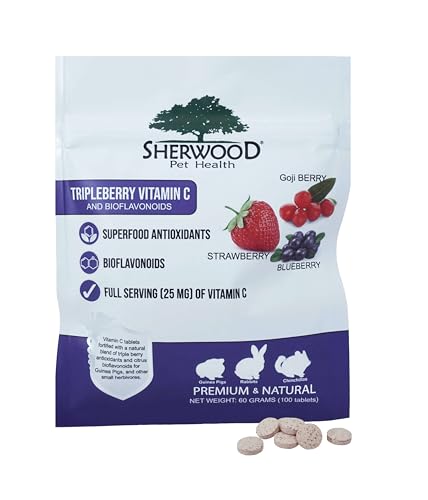
Guinea pigs cannot produce their own vitamin C, so they need a reliable daily supply or they can develop scurvy. For most owners the simplest everyday approach is fresh vitamin C rich vegetables such as bell pepper, paired with a fresh bag of fortified guinea pig pellets. When you want an extra safeguard, a chewable vitamin C tablet is generally the more dependable supplement because it delivers a consistent dose your pig eats directly. A daily intake is often cited around 10 to 30 mg, but the exact amount depends on weight, age and health, so confirm dosing with an exotics vet.
Why It Matters
Unlike most animals, guinea pigs lack the enzyme needed to synthesise vitamin C, which means every milligram has to come from their diet. When that supply falls short, scurvy can set in within a couple of weeks, showing up as lethargy, a rough coat, swollen or painful joints, reluctance to move and bleeding gums. Because these signs can look like other illnesses, and because a deficient pig often feels too unwell to eat normally, keeping a steady daily source of vitamin C is one of the most important things you can do for a cavy. If you already see possible deficiency signs, treat it as a veterinary matter rather than something to fix with diet changes alone.
What to Look For
Prioritise the form your guinea pig will actually eat every day. Chewable tablets, ideally ones that are scored or easy to break, let you hand feed a treat sized dose and see it consumed. Check the vitamin C content per tablet so you can match roughly to the 10 to 30 mg daily range your vet recommends, and favour simple formulas without unnecessary artificial colours or sugary fillers. Whole food sources such as acerola cherry are a nice bonus but not essential. Whatever you choose, mind freshness and storage, since vitamin C degrades with light, heat and time, and buy a quantity you will use before it loses potency.
How We Chose
This is an editorial comparison, not a hands on lab test, and we are clear about that. Our team looked at products that are genuinely formulated or widely used for guinea pigs, comparing them on form, stated vitamin C source, palatability reputation and how easy each is to dose accurately. We leaned toward chewable tablets from established small animal brands because a supplement only works if the pig reliably takes it, and tablets make the dose visible and repeatable. We also weighed value across bottle sizes so multi pig households are covered. None of this replaces individualised advice from an exotics vet who knows your animal.
What to Avoid
Be cautious with vitamin C water drops as your only line of defence. Vitamin C dissolved in the drinking bottle breaks down quickly in light and air, so the actual dose can be far lower than intended, and the altered taste can put some pigs off drinking, which risks dehydration. Drops still have a place for genuinely fussy pigs, but treat them as a backup rather than a guarantee. Also avoid assuming multivitamin blocks or salt licks cover vitamin C needs, and do not stack multiple heavy sources at once, since very large amounts can cause loose stools. When in doubt about the right amount, ask an exotics vet.