Quick Answer
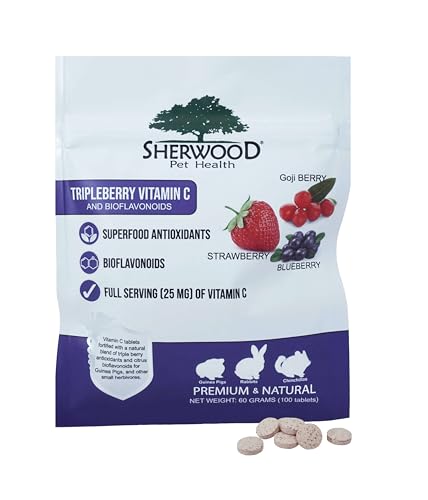
For most skinny pigs, a chewable or crushable vitamin C tablet made for guinea pigs is the most reliable choice, because it delivers a known dose you can pair with food. Our top pick is the Oxbow Natural Science Vitamin C tablet, which supplies a precise 50 mg dose in a gentle natural base. If your pig refuses tablets, offering a slice of raw bell pepper daily is a strong food based backup. Skinny pigs are a nearly hairless type of guinea pig, so they share the same inability to make their own vitamin C, but they also burn extra energy staying warm. That makes steady daily intake matter even more. Confirm the exact dose with an exotics vet before you start.
Why It Matters
Guinea pigs, including skinny pigs, lack the enzyme needed to produce vitamin C, so every milligram has to come from diet or supplements. A shortfall can lead to scurvy, with signs like poor coat or skin, swollen joints, reluctance to move, and slow healing. Because a skinny pig has little to no fur, it spends more calories keeping its body temperature up and often eats more to compensate. A hungrier, faster metabolism means vitamin C is used up quickly, so a missed day matters more than it might for a furred cousin. Warmth, plenty of fresh hay and pellets, and a consistent vitamin C routine work together to keep a skinny pig thriving.
What to Look For
Prioritize a product with a clearly stated vitamin C amount per tablet or serving so you can dose accurately. Chewable tablets and fresh vegetables such as bell pepper are generally better than water drops, because vitamin C added to a water bottle degrades within hours and you cannot tell how much your pig actually drank. Look for a formula made for small animals rather than a human multivitamin, since human products can carry additives or doses that are unsafe for a small pig. Palatability matters too, as a picky skinny pig will simply refuse a supplement it dislikes. Some formulas add probiotics, which can support a sensitive gut.
How We Chose
We focused on products from established small animal nutrition brands, then compared vitamin C content, form, and ease of dosing against the everyday needs of a hairless guinea pig. We favored chewable or crushable tablets and food based options that give you real control over the dose, and we noted which picks add probiotics for digestive support. We did not lab test these products or feed them to animals ourselves. This is an editorial roundup based on published specifications, brand track record, and widely accepted guinea pig care guidance. Any supplement plan should be confirmed with a veterinarian who treats exotic pets.
What to Avoid
Avoid relying on vitamin C drops added to the water bottle as your only source, since the vitamin breaks down fast and can make water taste off, which may cause your pig to drink less. Steer clear of high dose human tablets unless a vet has walked you through splitting them safely with a milligram scale. Do not assume more is always better, because very large doses are wasteful and can upset digestion. Finally, do not overlook warmth and food. A cold or underfed skinny pig burns through vitamin C faster, so a supplement alone cannot make up for a chilly cage or a thin diet.