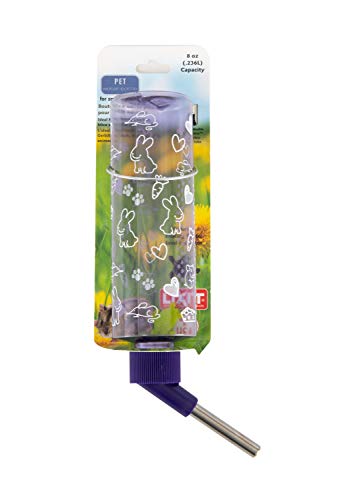
The Quick Answer
For most Chinese hamsters, a small no-drip bottle in the 2 to 6 oz range, mounted low and within easy reach, is the safest way to supply clean water. A ball bearing or silicone valve nozzle sits well with their small mouths, and a chew-resistant build matters because Chinese hamsters gnaw at almost anything they can reach. Refill it daily and give the nozzle a quick flow check every morning, since a small animal this size dehydrates quickly if the tip clogs or the ball sticks.
Why It Matters for a Chinese Hamster
Chinese hamsters are tiny, drink only small amounts, and are unusually agile climbers compared with syrian or dwarf hamsters. That climbing habit changes how you should think about placement. A bottle that is mounted too high forces the hamster to reach or hang, while one that is loosely clipped can be dislodged by a determined climber. Because their intake is small, even a short interruption in water access is a real concern, so a reliable, secure, low-mounted bottle is not a luxury for this species. Any ongoing changes in drinking, wetness around the mouth, or lethargy should be discussed with an exotics vet rather than self-treated.
What to Look For
Prioritise a small capacity, roughly 2 to 6 oz, so water is refreshed daily instead of sitting and collecting bacteria. Choose a ball bearing or silicone valve nozzle, since large open tubes drip and can be hard for a small hamster to work. Favour chew-resistant materials such as glass or thick BPA-free plastic, because Chinese hamsters will test the bottle with their teeth. Confirm the mounting system truly locks onto your cage bars or glass, and position the sipper low enough that the hamster drinks with a natural, level head posture.
How We Chose
These picks are an editorial shortlist based on published product specifications, capacity, nozzle design, mounting hardware, and material, matched against what a small climbing hamster actually needs. We did not run hands-on lab tests or long-term trials, and we do not claim to have measured leak rates ourselves. Instead we weighed features that reduce common failure points for small pets: drip-prone nozzles, wobbly mounts, and oversized bottles that outlast a daily water change. Real products and their listed specs are noted so you can verify before buying.
What to Avoid
Skip oversized bottles meant for rabbits or guinea pigs, since the water goes stale before a Chinese hamster can drink it down. Avoid thin, brittle plastic that a gnawing hamster can crack, and steer clear of open dishes as a sole water source because an active climber will tip or foul them, wetting the bedding and risking chills or skin problems. A small shallow dish can work as a backup or supplement, but it needs frequent cleaning. Finally, do not ignore a slow or dripping nozzle, as both put a small animal at risk faster than you might expect.