The Quick Answer
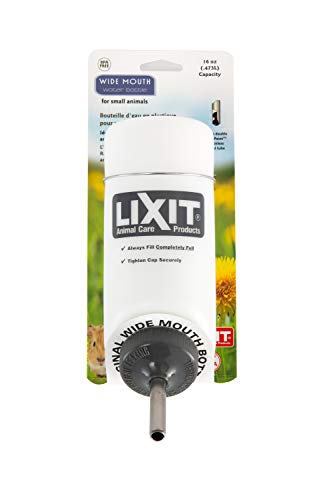
Ferrets need constant access to fresh, clean water, and the right bottle keeps that water spill free and off their bedding. For most owners, a larger no-drip bottle with a silicone valve, like the Choco Nose or Lixit wide-mouth designs, is the reliable everyday choice because it stays cleaner than an open bowl and resists the drips that soak a cage. Because ferrets are strong and playful, look for a securely attached, chew-resistant bottle with a metal sipper tube or spring guard. Many ferrets actually drink more from a heavy, tip-proof ceramic bowl, so a lot of owners offer both a bottle and a bowl and let their pet choose.
Why It Matters
Water is not optional for a ferret. These animals have a fast metabolism and can become dehydrated quickly, which can worsen or trigger health problems. A leaking bottle wets the bedding, and damp bedding can contribute to skin irritation and stress. A bottle that runs dry, clogs, or gets knocked loose leaves your ferret without water, sometimes for hours while you are away. Choosing a well-made, securely mounted bottle and keeping a backup water source is a simple way to protect a pet that depends entirely on you for hydration.
What to Look For
Prioritize a genuine no-drip mechanism first. Silicone valves tend to leak less than older ball-bearing designs, though a good ball-point bottle still works well when the ball is smooth and seated properly. Next, check chew resistance, since ferrets gnaw and can shred soft plastic tubes or swallow fragments; metal sipper tubes and spring guards help. Capacity between 8 and 16 ounces suits one or two ferrets, and a wide mouth makes daily cleaning far easier. Finally, confirm the bottle mounts securely to your cage bars at a height your ferret can reach without stretching or climbing.
How We Chose
We built this list by studying manufacturer specifications, verified owner reviews, and the recurring complaints ferret keepers report, especially leaking, clogging, and tubes that get chewed apart. We favored bottles with proven no-drip valves, cleanable wide mouths, and secure mounting hardware, and we noted where a heavy ceramic bowl makes a sensible companion. We did not lab-test these products ourselves, so treat our picks as researched editorial recommendations rather than hands-on trials, and match any choice to your ferret’s habits.
What to Avoid
Avoid cheap bottles with flimsy ball valves that drip constantly and leave bedding soaked. Skip all-plastic tubes for a determined chewer, since gnawed plastic can be swallowed and the tube can start leaking. Do not mount a bottle so high that your ferret has to strain, and never assume a full bottle is a working bottle; valves clog and stick, so tap the tube daily to confirm water flows. Finally, do not rely on water quality alone to signal a health issue. If your ferret drinks far more or far less than usual, seems lethargic, or shows other symptoms, consult a veterinarian who treats exotics rather than waiting it out.


