Quick answer
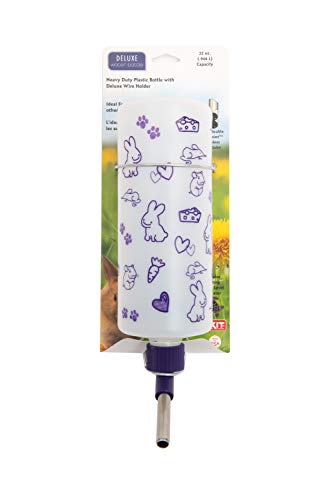
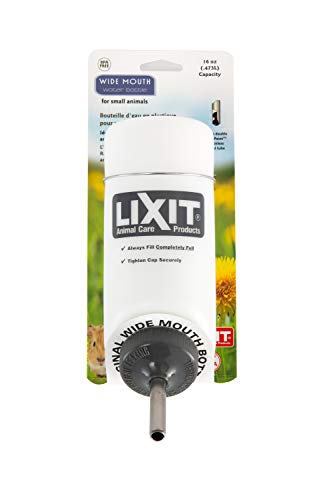
The best water bottle for a sugar glider is a small, chew-resistant glass sipper bottle with a metal spout and a reliable no-drip ball valve, mounted high on the cage bars in a secure holder. Sugar gliders are arboreal and avoid the cage floor, so water needs to be up where they live and climb. Because some gliders take a while to learn a bottle, the safest setup is to offer a bottle and a small water cup mounted high at the same time, then watch which one they actually use.
Bottle or cup for a glider?
Honestly, the best answer is often both, at least at first. A bottle keeps water clean and off the bedding, but a nervous or newly homed glider may not know how to work the valve right away. Many keepers start with a small water dish or cup mounted high on the bars, then add a bottle beside it and let the glider transition on its own timeline. Keep offering the dish until you are sure the glider is drinking from the bottle. If your vet has flagged any hydration concern, keep the open water source available for good.
What to look for
Prioritize a small capacity you can refill and clean daily, a smooth metal or stainless sipper tube that is gentle on the tongue, and a no-drip valve that only releases water when touched. Glass or a labeled chew-proof bottle matters because gliders will gnaw plastic, and a cracked or chewed bottle can leak them dry. A secure bracket that clamps firmly to your cage bar spacing prevents the bottle from slipping down toward the floor. A clear body lets you check the water level at a glance.
How we chose
We focused on small-animal bottles with glass or chew-resistant bodies, metal spouts, and no-drip ball valves, then favored designs with a high, secure mount and an easy-to-clean neck. We weighed leak resistance, how simple the bottle is to scrub free of algae, and whether the capacity suits one glider or a bonded pair. Picks like the Lixit glass bottle, the Kaytee chew-proof glass bottle, and high-mount cage cups reflect setups keepers rely on daily.
What to avoid
Avoid soft plastic bottles a glider can chew through, sticky valves that stall, and any bottle mounted low near the floor. Do not assume a new glider is drinking just because a bottle is present, and do not rely on one water source alone during the transition. Skipping the daily check is the biggest risk, because a jammed valve can leave a glider without water overnight. Clean often to stop algae, replace a cracked or chewed bottle right away, make sure both gliders in a bonded pair can reach the spout without one guarding it, and call your exotic vet if you see signs of dehydration such as lethargy, sunken eyes, or tented skin.