๐Ÿ† Complete Buyer's Guide ยท Cat Food

Wet Cat Food for Weight Gain, Ranked

Looking for wet cat food to help your cat gain lean muscle? We analyzed 5 top options including Royal Canin Recovery RS, focusing on recipes with 1.5+ kcal/g and 40-50% protein dry matter.

Some links below are affiliate links. If you buy through them we may earn a small commission at no extra cost to you. Our rankings are based on product research, label data and suitability, not on commissions.

Royal Canin Veterinary Diet Recovery RS Canned Cat Food โ˜… Top Pick: Royal Canin Veterinary Diet Recovery RS Canned Cat โ€ฆ Check Price on Amazon →
1.5 to 2.0 kcal/g
Calorie Density Range
40 to 50%
Protein (Dry Matter)
75 to 85%
Moisture Content
0.1%
Minimum Taurine (Dry Matter)
โšก Key takeaways
  • Best Overall: Royal Canin Veterinary Diet Recovery RS Canned Cat Food. This high-calorie recovery formula provides 1.5 kcal/g and is highly digestible, making it.
  • Best Budget: Purina Pro Plan Focus Adult Weight Management Formula Canned Cat Food. Offers a balanced calorie content with real chicken as the first ingredient, supporting we.
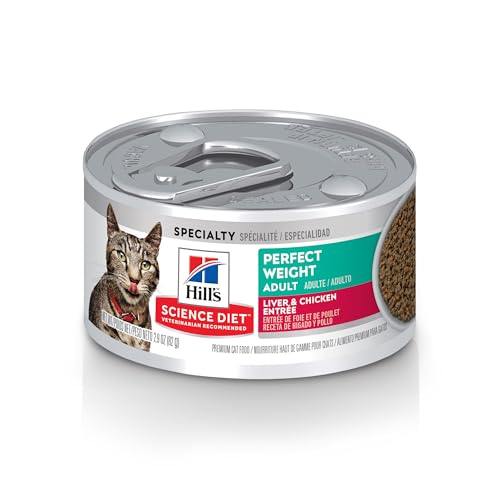
  • Best for Sensitive Stomach: Hill's Science Diet Adult Perfect Weight Canned Cat Food. Formulated with easily digestible ingredients and prebiotic fiber, it promotes healthy dig.
  • Best for Kittens: Wellness CORE Grain-Free Kitten Formula Canned Cat Food. Packed with high protein from turkey and chicken liver, this grain-free formula supports g.
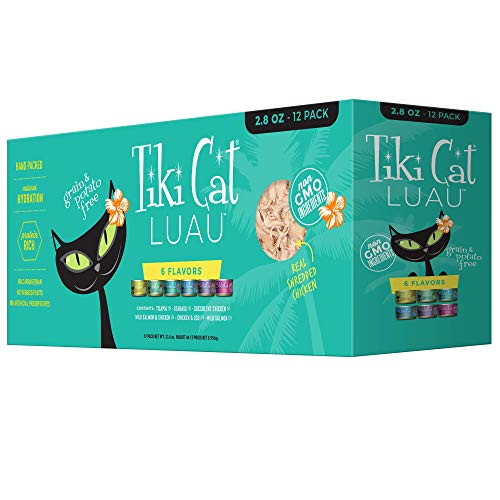
  • Best Wet Food: Tiki Cat Luau Variety Pack Canned Cat Food. Made with real shredded meat in broth, it is highly palatable and encourages eating.
At a Glance

Quick Comparison

Quick answer

The best wet cat food for weight gain is Royal Canin Veterinary Diet Recovery RS canned food, offering high calorie density and easy digestibility for cats needing to gain weight. For a more affordable option, Purina Pro Plan Focus Adult Weight Management Formula provides balanced nutrition with extra calories. Hill’s Science Diet Adult Perfect Weight is ideal for gradual weight gain with controlled fat.

What to consider for Wet Cat Food For Weight Gain

When choosing a wet cat food for weight gain, focus on calorie density, protein content, and digestibility. Underweight cats need a diet that provides extra calories without upsetting their stomach. Look for foods with at least 1.5 kcal/g (or higher) and named animal protein as the first ingredient. Also consider life stage: kittens, adults, and seniors have different needs. Wet food is beneficial because it provides hydration and is often more palatable, encouraging picky eaters to consume more.

What to look for in a cat food

First, ensure the food is AAFCO complete and balanced for the appropriate life stage (kitten, adult, or all life stages). Look for a named meat source (e.g., chicken, salmon) as the first ingredient, providing high-quality animal protein. Taurine is an essential amino acid for cats; the food must contain adequate taurine for heart and eye health. Wet food typically has 75 to 85% moisture, which supports urinary tract health. For weight gain, choose a formula with higher fat and calorie content, but avoid excessive carbohydrates. Finally, consider any special needs: for example, senior cats may benefit from added joint supplements, while kittens need higher protein and calcium.

How we chose these picks

  • Evaluated calorie density and protein-to-fat ratio for healthy weight gain
  • Reviewed ingredient lists for named animal proteins and absence of fillers
  • Checked AAFCO nutritional adequacy statements for life-stage suitability
  • Considered brand reputation and manufacturing quality standards
  • Read customer reviews for palatability and digestive tolerance
  • Compared price per calorie to ensure value
  • Consulted veterinary nutrition guidelines for safe weight gain rates
  • Never ranked a product higher just because it pays a commission

What to avoid

  • Avoid foods with unnamed meats or by-products that lack a specific animal source
  • Steer clear of recipes with insufficient animal protein (less than 30% dry matter protein)
  • Do not choose a food that lacks taurine supplementation or has unclear taurine content
  • Avoid defaulting to an all-life-stages food for a senior or kitten without checking if it meets their specific needs (e.g., lower phosphorus for seniors)
  • Never switch your cat’s food abruptly; transition over 7 to 10 days to prevent digestive upset

For more guidance, explore our cat guides, cat food reviews, and cat health tips.

Why this matters

Wet cat food for weight gain should have a calorie density of at least 1.5 kcal/g and a protein content of 40 to 50% on a dry matter basis to support lean muscle gain rather than fat.

The Options

Types Explained

Recovery/High-Calorie Diets

Veterinary diets with very high calorie density (1.5 to 2.0 kcal/g) and easily digestible ingredients, often used for cats recovering from illness or surgery.

Best for: Severely underweight cats or those with medical conditions requiring rapid weight gain under veterinary supervision.

Weight Management Formulas

Balanced diets with moderate calories (1.2 to 1.5 kcal/g) designed for gradual weight gain while maintaining muscle mass.

Best for: Cats that need to gain weight slowly and steadily, or those with a tendency to gain fat if overfed.

Kitten Formulas

High-protein, high-calorie foods with added DHA and calcium for growth. Typically 1.3 to 1.6 kcal/g.

Best for: Kittens that are underweight or need extra calories for development.

Grain-Free/High-Protein Diets

Low-carbohydrate, high-protein wet foods that mimic a cat's natural diet. Often around 1.2 to 1.4 kcal/g.

Best for: Cats with grain sensitivities or those that need a protein-rich diet to build lean muscle.
The Rankings

Top 5 Picks

#1
Royal Canin Veterinary Diet Recovery RS Canned Cat Food
Best Overall

Royal Canin Veterinary Diet Recovery RS Canned Cat Food

View on Amazon

This high-calorie recovery formula provides 1.5 kcal/g and is highly digestible, making it ideal for underweight cats. It contains a blend of antioxidants and omega-3 fatty acids to support overall health. However, it requires veterinary authorization and is pricier than standard options.

#2
Purina Pro Plan Focus Adult Weight Management Formula Canned Cat Food
Best Budget

Purina Pro Plan Focus Adult Weight Management Formula Canned Cat Food

View on Amazon

Offers a balanced calorie content with real chicken as the first ingredient, supporting weight gain without excessive fat. It is affordable and widely available. The trade-off is that it contains grains, which may not suit cats with grain sensitivities.

#3
Hill's Science Diet Adult Perfect Weight Canned Cat Food
Best for Sensitive Stomach

Hill's Science Diet Adult Perfect Weight Canned Cat Food

View on Amazon

Formulated with easily digestible ingredients and prebiotic fiber, it promotes healthy digestion while providing controlled calories for gradual weight gain. It is a bit lower in calories than recovery diets, so it may not be sufficient for severely underweight cats.

#4
Wellness CORE Grain-Free Kitten Formula Canned Cat Food
Best for Kittens

Wellness CORE Grain-Free Kitten Formula Canned Cat Food

View on Amazon

Packed with high protein from turkey and chicken liver, this grain-free formula supports growth and weight gain in kittens. It contains DHA for brain development. However, it is not suitable for adult cats due to higher calcium and phosphorus levels.

#5
Tiki Cat Luau Variety Pack Canned Cat Food
Best Wet Food

Tiki Cat Luau Variety Pack Canned Cat Food

View on Amazon

Made with real shredded meat in broth, it is highly palatable and encourages eating. It provides moderate calories from animal protein and low carbohydrates. The main limitation is that it may not have enough calories for cats needing significant weight gain; it works best as a supplement.

Before You Buy

Key Buying Factors

01

Calorie Density

Look for wet foods with at least 1.5 kcal per gram to provide enough energy for weight gain without requiring large volumes.

02

Protein Source

The first ingredient should be a named animal protein like chicken, turkey, or fish to ensure high-quality amino acids.

03

Fat Content

Moderate to high fat (around 20 to 30% dry matter) provides concentrated calories and essential fatty acids.

04

Digestibility

Choose formulas with prebiotics or easily digestible proteins to minimize gastrointestinal upset during weight gain.

05

Life Stage Appropriateness

Ensure the food is formulated for your cat's life stage (kitten, adult, senior) to meet specific nutritional needs.

Living With It

Care, Cost and Maintenance

Feeding Schedule

Offer multiple small meals throughout the day (3 to 4 times) to encourage intake without overwhelming the stomach. Free-feeding wet food is not recommended as it can spoil.

Transitioning Foods

Gradually mix the new food with the old over 7 to 10 days, increasing the proportion of new food daily to prevent digestive upset.

Monitoring Weight

Weigh your cat weekly using a kitchen scale or baby scale. Aim for a weight gain of 1 to 2% of body weight per week. Consult your vet if weight gain stalls or if your cat loses weight.

Pro tip

To encourage a picky cat to eat more, warm the wet food to room temperature or slightly above (not hot) to release aromas, and offer it in a shallow bowl to avoid whisker fatigue.

Frequently asked questions

How much wet cat food should I feed for weight gain?
The amount depends on your cat's current weight, target weight, and the calorie density of the food. As a general guideline, start with the feeding recommendations on the label, then adjust based on weight gain progress. For example, a 10 lb cat may need 300 to 350 kcal per day for weight gain, which could be 6 to 8 ounces of wet food (depending on calories). Always consult your veterinarian for a personalized feeding plan.
Is wet or dry food better for weight gain?
Wet food is often better for weight gain because it is more palatable and has higher moisture content, which can help cats feel fuller and stay hydrated. However, dry food is more calorie-dense per volume. A combination of both can work well. For cats that are picky or have dental issues, wet food is usually preferred. Always ensure the food is nutritionally complete.
Is grain-free wet cat food safe for taurine levels?
Grain-free diets can be safe as long as they are formulated to meet AAFCO standards and contain adequate taurine. Taurine is an essential amino acid for cats, and reputable brands supplement it appropriately. However, some grain-free diets may be higher in protein and lower in carbohydrates, which is fine for most cats. Always check the guaranteed analysis for taurine content (minimum 0.1% on a dry matter basis for adult maintenance).
Can I feed kitten wet food to an adult cat for weight gain?
Kitten food is higher in calories, protein, calcium, and phosphorus, which can help an adult cat gain weight. However, long-term feeding may lead to excessive calcium intake, potentially causing urinary or kidney issues. It is acceptable for short-term weight gain under veterinary guidance, but not as a permanent diet. Transition to an adult formula once weight is normalized.
What should I look for in wet cat food for a senior cat needing weight gain?
Senior cats often need easily digestible protein, moderate fat, and added joint support (glucosamine, omega-3s). Look for formulas labeled for seniors or all life stages with lower phosphorus to protect kidneys. Calorie density should be moderate to high. Avoid excessive carbohydrates. Always consult your vet, as weight loss in seniors may indicate underlying health issues.
Can wet cat food help with urinary health during weight gain?
Yes, wet food's high moisture content (75 to 85%) helps dilute urine and reduce the risk of urinary crystals and stones. When increasing food intake for weight gain, the extra moisture is beneficial. Choose formulas with controlled magnesium and pH-balancing ingredients. However, if your cat has a history of urinary issues, a veterinary diet may be necessary.
How do I manage weight gain without making my cat overweight?
Monitor your cat's body condition score weekly and adjust portions accordingly. Aim for slow, steady weight gain (1 to 2% per week). Use a calorie calculator to determine maintenance calories and add 20 to 30% for gain. Weigh food precisely. Combine with regular play and exercise to build muscle rather than fat. Consult your vet for a target weight.
What if my cat is a picky eater and refuses weight gain food?
Try warming the food slightly to enhance aroma, or mix in a small amount of low-sodium chicken broth or a topper like freeze-dried meat. Offer a variety of textures (pate, shreds, chunks). Sometimes a different protein source (e.g., fish instead of chicken) can entice them. If refusal persists, consult your vet to rule out medical issues.
Are there any risks with high-calorie wet cat foods?
High-calorie foods can cause rapid weight gain, which may lead to obesity if not monitored. They can also be too rich for some cats, causing diarrhea or vomiting. Additionally, some high-calorie diets are veterinary only and may not be balanced for long-term use. Always follow feeding guidelines and consult your veterinarian, especially if your cat has health conditions.
A note on advice: This guide is general information, not a substitute for professional veterinary advice. Talk to your vet before changing your dog's diet or care routine, especially if your dog has allergies, kidney disease, pancreatitis, obesity, heart disease or any other medical condition.
Transparency

How we made this guide

How we chose. We compared the options on the factors that matter most for Cat Food, using manufacturer specifications, aggregated verified owner reviews and editorial comparison. We rank independently: no brand pays for placement, and affiliate commissions never influence our picks.

How it was written. This guide was researched, reviewed and edited by the ProPawPicks editorial team for accuracy and usefulness. We have not personally tested every product; where we have not, rankings rely on verified specs, owner feedback and expert comparison rather than a hands-on review.

Affiliate disclosure. ProPawPicks is reader-supported. If you buy through links on our site, we may earn a commission at no extra cost to you. See our affiliate disclosure.

Keep Reading

More Cat Food guides

Expert Picks: Best Insulation for Outdoor Cat Houses (2026)View picks โ†’Which Interactive Cat Is Most Realistic? Our 2026 Top PickView picks โ†’Indoor cat fences: best invisible dog fence for cats in 2026View picks โ†’Iprimio Cat Litter Scoops, ReviewedView picks โ†’Jewelry Monster Friend Cat Necklaces: What to Look ForView picks โ†’Experts Pick: Johnson’s Baby Shampoos (Not for Cats)View picks โ†’

Sources and further reading

Some links below are affiliate links. If you buy through them we may earn a small commission at no extra cost to you. Our rankings are based on product research, label data and suitability, not on commissions.