๐Ÿ† Complete Buyer's Guide ยท Dog Food

Wet Dog Food for Weight Gain: Top 5 Picks Compared

Help your underweight dog gain weight safely with high-calorie wet foods like Purina Pro Plan Focus. Compare 5 top picks with at least 400 kcal per can and named meat first ingredient.

Some links below are affiliate links. If you buy through them we may earn a small commission at no extra cost to you. Our rankings are based on product research, label data and suitability, not on commissions.

Purina Pro Plan Focus Adult Classic High Calorie Wet Dog Food โ˜… Top Pick: Purina Pro Plan Focus Adult Classic High Calorie Weโ€ฆ Check Price on Amazon →
400-600 kcal
Typical calories per 13 oz can
8-10%
Minimum protein content (wet matter)
5-8%
Fat content range (wet matter)
70-80%
Moisture content
โšก Key takeaways
  • Best Overall: Purina Pro Plan Focus Adult Classic High Calorie Wet Dog Food. This high-calorie formula provides 506 kcal per can, making it excellent for weight gain.
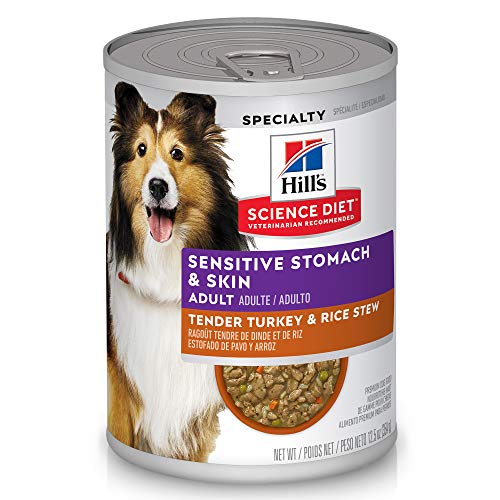
  • Best for Sensitive Stomach: Hill's Science Diet Adult Sensitive Stomach & Skin Wet Dog Food. Designed for digestive health, this wet food contains prebiotic fiber and is highly digest.
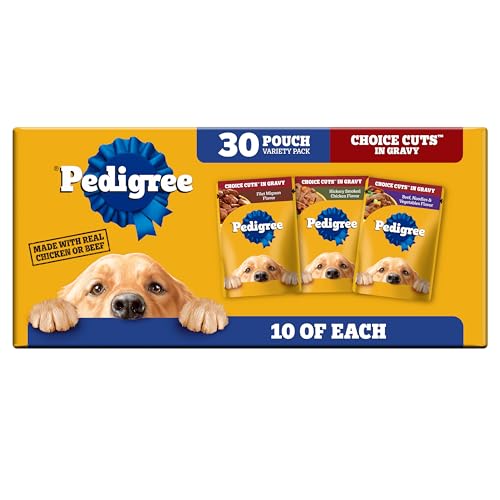
  • Best Budget: Pedigree Choice Cuts in Gravy Wet Dog Food. Affordable and palatable, this food provides about 350 kcal per can and contains real beef.
  • Best Grain-Inclusive: Blue Buffalo Homestyle Recipe Chicken Dinner Wet Dog Food. Made with real chicken, brown rice, and vegetables, this grain-inclusive recipe offers bal.
  • Best for Puppies: Wellness CORE Grain-Free Wet Dog Food. This high-protein, grain-free formula is suitable for puppies and provides about 450 kcal.
At a Glance

Quick Comparison

Quick answer

Our top pick is Purina Pro Plan Focus Adult Classic High Calorie Wet Dog Food for its high calorie density and balanced nutrition. For dogs with sensitive stomachs, Hill’s Science Diet Adult Sensitive Stomach & Skin is a strong alternative. Budget-conscious owners should consider Pedigree Choice Cuts in Gravy.

What to consider for Wet Dog Food For Weight Gain

When choosing a wet food for weight gain, prioritize calorie density (typically 400-600 kcal per can), high-quality protein from named meat sources, and moderate fat content for energy. Ensure the food is AAFCO complete and balanced for your dog’s life stage. Avoid foods with excessive fillers or unnamed meat meals. Consider your dog’s specific needs: large breeds may require larger cans or multiple servings, while small breeds need smaller portion sizes. Always consult your veterinarian before making dietary changes, especially for underweight dogs.

What to look for in a dog food

Look for an AAFCO statement confirming the food is complete and balanced for the appropriate life stage (adult, puppy, all life stages). The first ingredient should be a named meat source (e.g., chicken, beef, salmon). Protein content should be around 8-10% on a wet matter basis (or 30-40% dry matter), and fat content around 5-8% (or 15-25% dry matter). Calorie density should be clearly stated on the label. For large breed puppies, avoid all-life-stages foods unless formulated for large breeds. Joint support (glucosamine, chondroitin) and omega fatty acids (EPA, DHA) are beneficial for overall health.

How we chose these picks

  • Evaluated ingredient lists for named meat sources and absence of artificial additives.
  • Checked calorie density and macronutrient profiles against veterinary guidelines for weight gain.
  • Verified AAFCO nutritional adequacy statements for appropriate life stages.
  • Considered brand reputation and history of quality control.
  • Read customer reviews for palatability and digestive tolerance.
  • Compared price per calorie to ensure value.
  • Consulted veterinary nutrition resources for general feeding recommendations.
  • Never ranked a product higher just because it pays a commission.

What to avoid

  • Avoid foods with unnamed “meat meal” as the only protein source; look for named meats like chicken meal or salmon meal.
  • Be cautious with grain-free or legume-heavy recipes; the FDA is investigating a potential link to canine dilated cardiomyopathy (DCM). Grain-inclusive diets are a safer default unless your vet advises otherwise.
  • Do not feed an “all life stages” food to a large-breed puppy, as it may contain improper calcium levels.
  • Avoid abrupt diet switches; transition over 7-10 days by mixing increasing amounts of new food with old.

For more guidance, explore our dog guides and related categories: dog food, dog nutrition.
Why this matters

A high-calorie wet food with at least 400 kcal per can and a named meat first ingredient can help underweight dogs gain weight safely, but always transition gradually and monitor body condition.

The Options

Types Explained

High-Calorie Wet Food

Formulated with higher fat and protein content to provide more calories per serving. Ideal for underweight dogs needing rapid weight gain.

Best for: Dogs that need to gain weight quickly under veterinary guidance.

Sensitive Stomach Wet Food

Contains easily digestible ingredients and added prebiotics to support digestive health. Often lower in fat to reduce gastrointestinal upset.

Best for: Dogs with sensitive stomachs or food intolerances that still need weight gain.

Puppy Wet Food

Formulated with higher protein and fat to support growth and development. Also provides essential nutrients like DHA for brain development.

Best for: Underweight puppies that need extra calories for healthy growth.

Grain-Inclusive Wet Food

Contains whole grains like brown rice or oatmeal as carbohydrate sources. Provides fiber and energy without relying on legumes or potatoes.

Best for: Dogs without grain allergies; a safer default given the FDA DCM investigation.
The Rankings

Top 5 Picks

#1
Purina Pro Plan Focus Adult Classic High Calorie Wet Dog Food
Best Overall

Purina Pro Plan Focus Adult Classic High Calorie Wet Dog Food

View on Amazon

This high-calorie formula provides 506 kcal per can, making it excellent for weight gain. It features real chicken as the first ingredient and is AAFCO complete for adult maintenance. However, it may be too rich for some dogs with sensitive stomachs, so gradual transition is recommended.

#2
Hill's Science Diet Adult Sensitive Stomach & Skin Wet Dog Food
Best for Sensitive Stomach

Hill's Science Diet Adult Sensitive Stomach & Skin Wet Dog Food

View on Amazon

Designed for digestive health, this wet food contains prebiotic fiber and is highly digestible. It has a moderate calorie density (around 400 kcal per can) and is made with real chicken. The downside is that it is not the highest calorie option, so you may need to feed more cans for weight gain.

#3
Pedigree Choice Cuts in Gravy Wet Dog Food
Best Budget

Pedigree Choice Cuts in Gravy Wet Dog Food

View on Amazon

Affordable and palatable, this food provides about 350 kcal per can and contains real beef. It is AAFCO complete for adult dogs. However, it contains by-products and corn, which may not suit dogs with allergies or owners seeking premium ingredients.

#4
Blue Buffalo Homestyle Recipe Chicken Dinner Wet Dog Food
Best Grain-Inclusive

Blue Buffalo Homestyle Recipe Chicken Dinner Wet Dog Food

View on Amazon

Made with real chicken, brown rice, and vegetables, this grain-inclusive recipe offers balanced nutrition with around 400 kcal per can. It includes LifeSource Bits for antioxidants. A limitation is that it contains carrageenan, which some owners prefer to avoid.

#5
Wellness CORE Grain-Free Wet Dog Food
Best for Puppies

Wellness CORE Grain-Free Wet Dog Food

View on Amazon

This high-protein, grain-free formula is suitable for puppies and provides about 450 kcal per can. It features turkey and chicken liver and is AAFCO complete for growth. However, grain-free diets are under FDA investigation for DCM, so consult your vet before use.

Before You Buy

Key Buying Factors

01

Calorie Density

Look for foods with at least 400 kcal per can to support weight gain. Higher calorie density means you can feed less volume for more calories.

02

Protein Quality

Choose foods with named meat as the first ingredient (e.g., chicken, beef, salmon). Protein supports muscle growth, essential for healthy weight gain.

03

Fat Content

Fat is a concentrated energy source. Aim for 5-8% fat on a wet matter basis, but avoid excessive fat that could cause pancreatitis in predisposed dogs.

04

AAFCO Statement

Ensure the food is labeled as complete and balanced for your dog's life stage (adult, puppy, all life stages). This guarantees it meets nutritional standards.

05

Digestibility

Highly digestible foods with prebiotic fibers (like beet pulp) help maximize nutrient absorption. Avoid foods with excessive fillers like corn or soy.

Living With It

Care, Cost and Maintenance

Feeding Schedule

Divide the daily recommended amount into two or three meals to aid digestion and prevent bloating. Consistent meal times help regulate metabolism.

Transitioning Foods

Gradually mix the new food with the old over 7-10 days, increasing the proportion of new food daily. This reduces the risk of digestive upset.

Monitoring Weight

Weigh your dog weekly and adjust portions as needed. Aim for a gradual weight gain of 1-2% of body weight per week. Consult your vet if no progress is seen after two weeks.

Pro tip

Mix a small amount of warm water into the wet food to enhance aroma and encourage picky eaters to finish their meal.

Frequently asked questions

How much wet dog food should I feed for weight gain?
The amount depends on your dog's current weight, target weight, and the food's calorie density. As a general guideline, start with the feeding recommendations on the can (usually based on weight) and increase by 10-20% if weight gain is needed. For example, a 30-pound dog may need 1.5 to 2 cans of a 400-kcal food per day. Always monitor body condition and adjust portions. Consult your veterinarian for a tailored feeding plan, especially if your dog has underlying health issues.
How many calories does a dog need daily to gain weight?
Daily calorie needs vary by size, age, and activity level. A typical adult dog at ideal weight needs about 20-30 kcal per pound of body weight per day. For weight gain, increase by 20-30% above maintenance. For example, a 30-pound dog may need 900-1200 kcal daily for maintenance, so for weight gain aim for 1100-1500 kcal. Wet food typically provides 400-600 kcal per 13 oz can. Use a calorie calculator or consult your vet to determine the exact target.
Is grain-free wet dog food safe for weight gain?
Grain-free diets are not inherently unsafe, but the FDA is investigating a potential link between grain-free, legume-heavy diets and canine dilated cardiomyopathy (DCM). Until more is known, many veterinarians recommend grain-inclusive diets as a safer default, especially for breeds predisposed to DCM. If you choose grain-free for weight gain, ensure it is from a reputable brand that meets WSAVA guidelines. Always discuss with your vet, particularly if your dog has a known heart condition.
Can I feed puppy wet food to an adult dog for weight gain?
Puppy foods are higher in protein, fat, and calories, which can help an adult dog gain weight. However, they also contain different calcium-to-phosphorus ratios that may not be ideal for adult dogs, especially large breeds. Feeding puppy food long-term could lead to excessive calcium intake. It is better to use an adult formula designed for weight gain. If you use puppy food temporarily, do so under veterinary supervision and monitor for any adverse effects.
What if my dog is overweight but needs to gain weight?
If your dog is overweight but underweight in terms of muscle mass, the goal is to increase muscle while losing fat. This requires a high-protein, moderate-fat diet with controlled calories. Consult your vet to rule out medical conditions like hypothyroidism or Cushing's disease. A therapeutic weight management diet may be recommended. Do not simply increase food intake, as this can worsen obesity. Focus on quality protein and regular exercise.
Can senior dogs eat wet food for weight gain?
Yes, senior dogs can benefit from wet food for weight gain, especially if they have dental issues or reduced appetite. Look for senior-specific formulas with moderate protein, lower phosphorus (for kidney health), and added joint supplements like glucosamine. Calorie density should be high to compensate for smaller portions. Always consult your vet before changing a senior dog's diet, as they may have underlying conditions that require special nutrition.
Are there size-specific wet foods for weight gain?
Some brands offer formulas tailored to small or large breeds. Small breed dogs have higher metabolic rates and may need more calories per pound. Large breed dogs require controlled calcium and phosphorus levels to support bone health. For weight gain, choose a food that matches your dog's size category if available. Alternatively, you can adjust portion sizes of an all-breed formula, but ensure it meets large breed nutritional guidelines if applicable.
Is wet food better than dry food for weight gain?
Wet food has higher moisture content, which can increase palatability and help with hydration, but it is less calorie-dense than dry food. For weight gain, you may need to feed larger volumes of wet food. However, wet food is often easier to digest and can be a good choice for dogs with poor appetite. Some owners mix wet and dry food to combine benefits. The best choice depends on your dog's preferences and digestive tolerance.
How can I tell if my dog is gaining healthy weight?
Healthy weight gain should be gradual and primarily muscle, not just fat. You should be able to feel your dog's ribs with a slight fat covering, and there should be a visible waist when viewed from above. Weigh your dog weekly and track body condition score (BCS) using a 1-9 scale. Aim for a BCS of 4-5 (ideal). If your dog gains weight too quickly or becomes obese, reduce portions. Consult your vet for a weight management plan.
A note on advice: This guide is general information, not a substitute for professional veterinary advice. Talk to your vet before changing your dog's diet or care routine, especially if your dog has allergies, kidney disease, pancreatitis, obesity, heart disease or any other medical condition.
Transparency

How we made this guide

How we chose. We compared the options on the factors that matter most for Dog Food, using manufacturer specifications, aggregated verified owner reviews and editorial comparison. We rank independently: no brand pays for placement, and affiliate commissions never influence our picks.

How it was written. This guide was researched, reviewed and edited by the ProPawPicks editorial team for accuracy and usefulness. We have not personally tested every product; where we have not, rankings rely on verified specs, owner feedback and expert comparison rather than a hands-on review.

Affiliate disclosure. ProPawPicks is reader-supported. If you buy through links on our site, we may earn a commission at no extra cost to you. See our affiliate disclosure.

Keep Reading

More Dog Food guides

Stop Wasting Treats: 5 Best Interactive Dog Cameras 2026View picks โ†’Interactive Dog Toys for Boredom: Our ShortlistView picks โ†’Picking Invisible Dog Fence for AllergiesView picks โ†’Invisible Dog Fence for Large Dogs: 5 Best Picks (2026)View picks โ†’2026 Puppy Fence Guide: 5 Top Invisible Dog Fences ReviewedView picks โ†’Invisible Dog Fence for Sensitive Stomachs: 2026 Top Pick ReviewedView picks โ†’

Sources and further reading

Some links below are affiliate links. If you buy through them we may earn a small commission at no extra cost to you. Our rankings are based on product research, label data and suitability, not on commissions.