๐Ÿ† Complete Buyer's Guide ยท Cat Care Products

Wood Pellet Cat Litter for Large Cats Over 15 lbs 2026

Discover the best wood pellet cat litter for cats over 15 lbs. Low dust reduces respiratory irritation, high absorbency handles large urine volumes. Feline Pine Original top pick.

Some links below are affiliate links. If you buy through them we may earn a small commission at no extra cost to you. Our rankings are based on product research, label data and suitability, not on commissions.

Feline Pine Original Cat Litter โ˜… Top Pick: Feline Pine Original Cat Litter Check Price on Amazon →
99.5%
Dust-free rating of top picks
3 to 4 inches
Recommended litter depth for large cats
2 to 3 weeks
Average time between full litter changes for non-clumping pellets
40 lbs
Common bag size for wood pellet litters
โšก Key takeaways
  • Best Overall: Feline Pine Original Cat Litter. Feline Pine uses kiln-dried pine pellets that absorb moisture and neutralize odors natural.
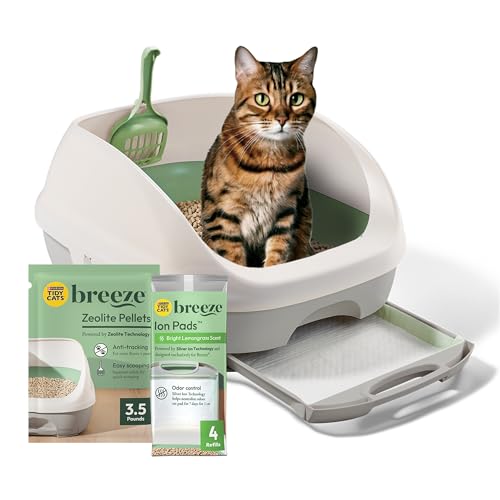
  • Best Odor Control: Tidy Cats Breeze Pellet System Cat Litter. This non-clumping pellet system uses zeolite pellets that trap ammonia odors and a pad tha.
  • Best Low-Dust: Arm & Hammer Super Scoop Clumping Litter. Arm & Hammer's clumping formula uses baking soda to control odors and forms hard clumps fo.
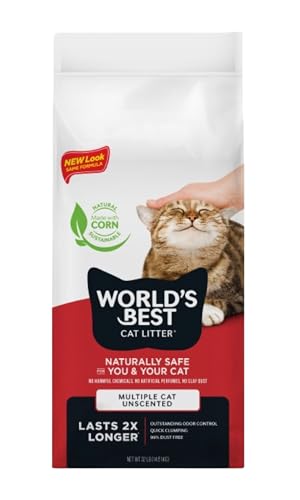
  • Best Multi-Cat: World's Best Cat Litter Multiple Cat Unscented. Made from whole-kernel corn, this clumping litter is flushable and low dust.
  • Best Natural: Dr. Elsey's Precious Cat Ultra Clumping Cat Litter. Dr.
At a Glance

Quick Comparison

Quick answer

Our top pick is the Feline Pine Original Cat Litter for its excellent absorbency and natural pine scent that controls odor well for large cats. It is low dust and made from kiln-dried pine, making it safe for heavy felines. For cats with allergies, the Tidy Cats Breeze Pellet System offers a non-clumping alternative with minimal tracking. The Arm & Hammer Super Scoop Clumping Litter is a runner-up if you prefer clumping action with baking soda odor control.

What to consider for Wood Pellet Cat Litter For Cats Over 15 Lbs

Large cats over 15 lbs produce more waste and stronger urine odor, so the litter must have high absorbency and effective odor neutralization. Wood pellets are larger than clay granules, which can be uncomfortable for some cats with sensitive paws, but they are generally low dust and better for respiratory health. The pellet size also affects tracking; larger pellets tend to scatter less. Additionally, the litter box should be extra large to accommodate a big cat’s size, and the litter depth should be at least 3 to 4 inches to allow proper absorption. Some wood pellet litters are non-clumping, which means you need to change the entire box more frequently, but they are often more economical for multi-cat households.

What to look for in a cat litter or litter-area product

When choosing a wood pellet cat litter for a large cat, prioritize strong clumping or absorption and odor control. Look for low dust formulations to protect your cat’s airways, especially if they have respiratory sensitivities. Low tracking is important to keep your home clean; larger pellets tend to track less. For multi-cat households, choose a litter that can handle multiple cats without odor breakthrough. Unscented options are best for cats with allergies or those that dislike strong fragrances, though some natural wood scents are mild and acceptable.

How we chose these picks

  • Evaluated absorbency and odor control based on product specifications and customer feedback.
  • Considered pellet size and shape for comfort and reduced tracking for large cats.
  • Checked dust levels and ingredient safety for feline respiratory health.
  • Assessed value for money, including bag size and frequency of replacement.
  • Reviewed suitability for large cats over 15 lbs, including box size recommendations.
  • Included a mix of clumping and non-clumping options to cover different preferences.
  • Never ranked a product higher just because it pays a commission.

What to avoid

  • Heavily scented litters that may deter cats from using the box or cause respiratory irritation.
  • High-dust clay litters that can aggravate breathing issues in cats.
  • A litter box that is too small or insufficient number of boxes for multiple cats.
  • Sudden litter changes; transition gradually over a week to avoid litter box aversion.

For more guidance, explore our cat guides and check out cat food and cat health resources.
Why this matters

Wood pellet cat litter is an excellent choice for large cats over 15 lbs because its low dust content reduces respiratory irritation, and its high absorbency handles larger urine volumes effectively.

The Options

Types Explained

Wood Pellet Litter

Made from compressed sawdust, typically from pine or other softwoods. These pellets absorb moisture and break down into sawdust. They are biodegradable, low dust, and often unscented or have a natural pine smell. Non-clumping, so full box changes are needed regularly.

Best for: Owners seeking an eco-friendly, low-dust option for large cats with respiratory sensitivities.

Clumping Clay Litter

Made from sodium bentonite clay that forms hard clumps when wet. Excellent odor control and easy scooping. Can be dusty, but low-dust versions are available. Heavier than other types.

Best for: Owners who prioritize convenience and daily scooping for multiple large cats.

Crystal Litter

Made from silica gel crystals that absorb urine and dry out solid waste. Very low dust and excellent odor control. Non-clumping, so you scoop solids and stir crystals. Lasts longer between changes but can be more expensive.

Best for: Owners who want minimal dust and long-lasting odor control for a single large cat.

Biodegradable Litter (Corn, Wheat, Paper)

Made from renewable materials like corn, wheat, or recycled paper. Often flushable and low dust. Clumping or non-clumping. May track more and can be more expensive.

Best for: Eco-conscious owners with large cats that have allergies to clay or pine.
The Rankings

Top 5 Picks

#1
Feline Pine Original Cat Litter
Best Overall

Feline Pine Original Cat Litter

View on Amazon

Feline Pine uses kiln-dried pine pellets that absorb moisture and neutralize odors naturally. It is low dust and safe for large cats with respiratory issues. The pellets break down into sawdust when wet, which can be scooped out, but the non-clumping formula requires full box changes more often. However, its natural pine scent is mild and effective for heavy urine loads from big cats.

#2
Tidy Cats Breeze Pellet System Cat Litter
Best Odor Control

Tidy Cats Breeze Pellet System Cat Litter

View on Amazon

This non-clumping pellet system uses zeolite pellets that trap ammonia odors and a pad that absorbs urine, keeping the box dry. It is virtually dust-free and the large pellets track less. The system requires special pads, which add ongoing cost, but the odor control is excellent for large cats. Some cats may dislike the pellet texture, but most adapt quickly.

#3
Arm & Hammer Super Scoop Clumping Litter
Best Low-Dust

Arm & Hammer Super Scoop Clumping Litter

View on Amazon

Arm & Hammer's clumping formula uses baking soda to control odors and forms hard clumps for easy scooping. It is 99% dust-free, making it ideal for cats with asthma or allergies. The fine texture may track more than pellets, but for owners who prefer clumping, this is a top choice. It is not wood-based, but it meets the low-dust requirement for large cats.

#4
World's Best Cat Litter Multiple Cat Unscented
Best Multi-Cat

World's Best Cat Litter Multiple Cat Unscented

View on Amazon

Made from whole-kernel corn, this clumping litter is flushable and low dust. It controls odors well in multi-cat homes and is safe for large cats. The fine granules may track, but the clumping action makes daily scooping easy. It is more expensive than wood pellets, but its natural composition and odor control are top-notch for multiple heavy cats.

#5
Dr. Elsey's Precious Cat Ultra Clumping Cat Litter
Best Natural

Dr. Elsey's Precious Cat Ultra Clumping Cat Litter

View on Amazon

Dr. Elsey's uses natural clay with a unique formula that clumps hard and controls odors without added perfumes. It is low dust and designed for multi-cat households. The fine texture can track, but its unscented nature is gentle on sensitive cats. For large cats, it provides reliable odor control and easy scooping, though it is heavier to carry.

Before You Buy

Key Buying Factors

01

Absorbency and Odor Control

Large cats produce more urine, so the litter must quickly absorb moisture and lock in odors. Look for litters with natural enzymes or baking soda that neutralize ammonia. Non-clumping pellets often absorb urine into the pellet, turning it into sawdust, which can be scooped out, but the entire box needs changing every 2 to 3 weeks.

02

Dust Levels

Dust can irritate a cat's respiratory system, especially in large cats that may already have breathing issues. Choose litters labeled as low dust or dust-free. Wood pellets and some clumping litters are naturally low dust, while clay litters vary. Always check customer reviews for dust complaints.

03

Pellet Size and Tracking

Larger pellets (like wood pellets) track less than fine granules, keeping your floors cleaner. However, some cats may find large pellets uncomfortable on their paws. If your cat is picky, try a medium-sized pellet. For heavy cats, a larger pellet also provides better stability when digging.

04

Clumping vs Non-Clumping

Clumping litters form solid clumps that can be scooped daily, extending the life of the litter. Non-clumping litters require full box changes more often but are often more economical and produce less dust. For large cats, clumping may be more convenient, but non-clumping pellets are a good choice if you prefer natural materials.

05

Scented vs Unscented

Many cats are sensitive to strong fragrances, which can deter them from using the box. Unscented litters are generally safer for sensitive cats. Some natural wood litters have a mild pine scent that most cats tolerate, but if your cat shows avoidance, switch to unscented. For odor control, rely on the litter's absorption rather than added perfumes.

Living With It

Care, Cost and Maintenance

Daily Scooping

Scoop solid waste and clumps at least once daily. For non-clumping wood pellets, remove solid waste and stir the pellets to distribute moisture. This prevents odor buildup and keeps the box inviting for your cat.

Full Litter Change

For non-clumping litters, change the entire box every 2 to 3 weeks. For clumping litters, change every 3 to 4 weeks, or when you notice odor or the litter is broken down. Wash the box with mild soap and water before refilling.

Litter Box Placement and Quantity

Place the litter box in a quiet, accessible area away from food and water. For one large cat, use at least one box; for multiple cats, have one box per cat plus one extra. Ensure the box is large enough (at least 1.5 times the cat's length) for comfort.

Pro tip

To extend the life of wood pellet litter, stir the pellets daily to break up sawdust and remove solid waste promptly; this prevents ammonia buildup and keeps the box fresh longer.

Frequently asked questions

How often should I change wood pellet cat litter?
For non-clumping wood pellet litters, you should scoop solid waste daily and stir the pellets to break up sawdust. A full litter change is typically needed every 2 to 3 weeks, depending on the number of cats and how much they use the box. If you notice strong odor or the pellets are mostly sawdust, it is time for a complete change. For clumping wood pellet litters (less common), scoop clumps daily and change the entire box every 3 to 4 weeks.
Is clumping or non-clumping litter better for large cats?
Both have pros and cons. Clumping litter allows you to remove urine and feces daily, keeping the box cleaner longer and reducing odor. This is convenient for large cats that produce more waste. Non-clumping litter, like wood pellets, absorbs urine into the pellets, which then break down into sawdust. This can be more economical and produces less dust, but requires full box changes more often. For large cats with respiratory issues, non-clumping wood pellets are often recommended due to lower dust.
Can wood pellet litter cause respiratory problems in cats?
Wood pellet litter is generally low dust compared to clay litters, making it a safer choice for cats with asthma or other respiratory conditions. However, some cats may be sensitive to the natural pine scent or the dust that does exist. If your cat shows signs of sneezing or coughing after switching to wood pellets, try an unscented variety or a different material like paper or corn. Always ensure good ventilation around the litter box.
How can I control odor from my large cat's litter box?
To control odor, scoop the box at least once daily and change the litter regularly. Use a litter with strong odor control, such as those containing baking soda or activated charcoal. For wood pellets, the natural pine helps neutralize ammonia. Place the box in a well-ventilated area and consider using a litter deodorizer. Also, ensure your cat is healthy, as strong-smelling urine can indicate a medical issue.
What is the best litter for multiple large cats?
For multiple large cats, choose a litter that offers strong odor control and clumping ability to handle higher waste volume. Multi-cat formulas from brands like Arm & Hammer or World's Best Cat Litter are designed for this. Wood pellet litters can also work but require more frequent full changes. Ensure you have enough litter boxes (one per cat plus one extra) and scoop daily to prevent odor buildup.
How can I reduce litter tracking from wood pellets?
Wood pellets are larger than clay granules, so they tend to track less. To further reduce tracking, use a litter mat outside the box to catch stray pellets. Choose a box with high sides or a top-entry design. Some wood pellet litters have larger, heavier pellets that stay in the box better. Regularly sweep or vacuum around the box area.
Should I use scented or unscented litter for my cat?
Most cats prefer unscented litter because their sense of smell is much stronger than ours. Strong fragrances can deter cats from using the box or cause respiratory irritation. Unscented litters are generally safer, especially for cats with allergies or asthma. If you want odor control, choose a litter that neutralizes odors naturally, such as those with baking soda or activated charcoal, rather than added perfumes.
My cat is avoiding the litter box after switching to wood pellets. What should I do?
Cats can be sensitive to changes in litter texture or scent. If your cat avoids the box, gradually mix the new wood pellets with the old litter over a week, increasing the proportion of pellets each day. Ensure the box is clean and placed in a quiet location. If the problem persists, try a different type of wood pellet (e.g., unscented) or return to the previous litter. Consult a veterinarian if the behavior continues, as it could indicate a medical issue.
Is wood pellet litter safe for kittens?
Wood pellet litter is generally safe for kittens, but the large pellet size may be uncomfortable for their small paws. Some kittens may try to eat the pellets, which could cause digestive issues. For kittens under 4 months, it is better to use a non-clumping, fine-grained litter like paper pellets. Always supervise kittens with any new litter and consult your vet for recommendations.
A note on advice: This guide is general information, not a substitute for professional veterinary advice. Talk to your vet before changing your dog's diet or care routine, especially if your dog has allergies, kidney disease, pancreatitis, obesity, heart disease or any other medical condition.
Transparency

How we made this guide

How we chose. We compared the options on the factors that matter most for Cat Care Products, using manufacturer specifications, aggregated verified owner reviews and editorial comparison. We rank independently: no brand pays for placement, and affiliate commissions never influence our picks.

How it was written. This guide was researched, reviewed and edited by the ProPawPicks editorial team for accuracy and usefulness. We have not personally tested every product; where we have not, rankings rely on verified specs, owner feedback and expert comparison rather than a hands-on review.

Affiliate disclosure. ProPawPicks is reader-supported. If you buy through links on our site, we may earn a commission at no extra cost to you. See our affiliate disclosure.

Keep Reading

More Cat Care Products guides

Expert Picks: Best Insulation for Outdoor Cat Houses (2026)View picks โ†’Interactive Cat Toys That Mimic Prey: 2026 Top PicksView picks โ†’Interactive Cat Feeders That Cats Actually Use: 2026 Top 4View picks โ†’Indoor cat fences: best invisible dog fence for cats in 2026View picks โ†’Invisible Fence for Cat, RankedView picks โ†’Iprimio Cat Litter Scoops, ReviewedView picks โ†’

Sources and further reading

Some links below are affiliate links. If you buy through them we may earn a small commission at no extra cost to you. Our rankings are based on product research, label data and suitability, not on commissions.