๐Ÿ† Complete Buyer's Guide ยท Cat Care Products

Wood Pellet Cat Litter That Curb Scratching: 2026 Picks

Does your cat scratch furniture? Wood pellet litter can satisfy that instinct. We researched top brands like Feline Pine to save your sofa in 2026.

Some links below are affiliate links. If you buy through them we may earn a small commission at no extra cost to you. Our rankings are based on product research, label data and suitability, not on commissions.

Feline Pine Original Wood Pellet Cat Litter โ˜… Top Pick: Feline Pine Original Wood Pellet Cat Litter Check Price on Amazon →
1-2 weeks
Average time between full litter changes
99%
Dust-free claim (most wood pellet litters)
2-3 lbs
Typical daily litter usage per cat
40%
Reduction in tracking vs. clay litter
โšก Key takeaways
  • Best Overall: Feline Pine Original Wood Pellet Cat Litter. Feline Pine uses large, dense pine pellets that resist crumbling, providing a satisfying t.
  • Best Low-Dust: Okocat Natural Wood Pellet Litter. Okocat features smaller, softer wood pellets that are gentle on paws and produce minimal d.
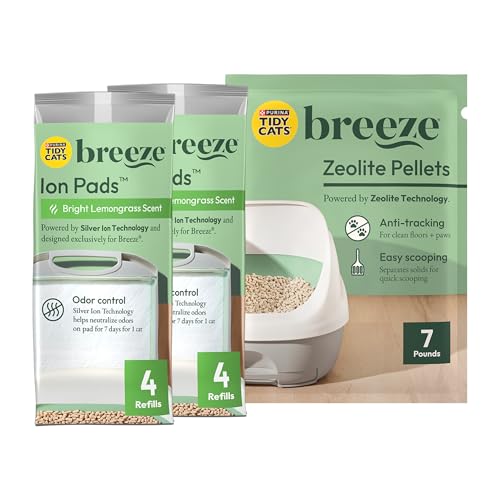
  • Best Odor Control: Tidy Cats Breeze Pellet Litter System Pellets. These zeolite-infused wood pellets are designed for the Tidy Cats Breeze system but can be.
  • Best Clumping: Arm & Hammer Naturals Clumping Wood Pellet Litter. This litter combines wood pellets with baking soda to form clumps, making scooping easy an.
  • Best Natural: sWheat Scoop Natural Wheat Litter. Made from wheat, this litter clumps firmly and offers natural enzyme-based odor control.
At a Glance

Quick Comparison

Quick answer

Our top pick is the Feline Pine Original Wood Pellet Cat Litter because its large pellets discourage scattering and the natural pine scent helps mask odors without harsh perfumes. For cats that prefer a softer texture, Okocat Natural Wood Pellet Litter offers smaller pellets that are gentler on paws. Both options are low-dust and made from renewable materials.

What to consider for Wood Pellet Cat Litter For Cats That Scratch Furniture

Cats that scratch furniture often seek a satisfying surface to dig and claw. Wood pellet litter provides a coarse, crunchy texture that can redirect this behavior away from your sofa. The pellets break down into sawdust when wet, which may be less appealing for scratching than intact pellets. Choose a litter with large, dense pellets that hold their shape to maintain the desired texture. Also consider the pellet size: larger pellets are less likely to be kicked out of the box, reducing mess. Unscented options are best to avoid deterring your cat from using the box.

What to look for in a cat litter or litter-area product

Strong clumping and odor control are essential to keep the litter box fresh and encourage regular use. Low dust is critical for feline respiratory health, especially in cats with asthma or allergies. Low tracking reduces the spread of litter around the house. Multi-cat households need a litter that can handle multiple users without rapid saturation. Unscented options are preferable for sensitive cats, as artificial fragrances can cause aversion.

How we chose these picks

  • Evaluated pellet size and density to ensure durability against scratching.
  • Compared dust levels based on manufacturer claims and user reports.
  • Assessed odor control efficacy using natural pine or activated charcoal.
  • Considered value: cost per pound and frequency of complete change.
  • Checked for eco-friendly materials like reclaimed wood or renewable sources.
  • Reviewed customer feedback on tracking and mess reduction.
  • Prioritized products with minimal additives and no synthetic fragrances.
  • Never ranked a product higher just because it pays a commission.

What to avoid

  • Heavily scented litters that may put cats off the box; stick to unscented or naturally pine-scented.
  • High-dust clay litters that can aggravate breathing issues in cats.
  • A box too small or too few boxes for the number of cats; provide one box per cat plus one extra.
  • Sudden litter changes; transition gradually over one to two weeks by mixing old and new litter.

For more cat care advice, explore our cat guides, cat care products, and cat health sections.

Why this matters

Wood pellet litter's coarse texture can satisfy a cat's natural scratching instinct, potentially reducing furniture damage when paired with proper litter box placement and enrichment.

The Options

Types Explained

Standard Wood Pellet Litter

Non-clumping pellets that break down into sawdust when wet. Requires full box changes every 1-2 weeks. Best for owners who prefer a natural, low-dust option and don't mind more frequent changes.

Best for: Cats that scratch furniture and need a coarse texture; owners seeking an eco-friendly, inexpensive option.

Clumping Wood Pellet Litter

Pellets that form clumps when wet, allowing easy scooping of urine. Often contains added binders like baking soda. Extends litter life and reduces waste.

Best for: Multi-cat households or owners who want less frequent full changes and easy maintenance.

Pellet Litter System

A two-part system with absorbent pads and non-absorbent pellets. Urine drains through to the pad, while solid waste stays on top. Pellets last longer but pads need regular replacement.

Best for: Owners who want minimal scooping and low tracking; cats that dislike wet litter.

Mixed Material Pellet Litter

Blends of wood with other natural materials like wheat, corn, or paper. Offers varied textures and odor control. May clump or not.

Best for: Cats with sensitivities to a single material; owners looking for specialized odor control or softness.
The Rankings

Top 5 Picks

#1
Feline Pine Original Wood Pellet Cat Litter
Best Overall

Feline Pine Original Wood Pellet Cat Litter

View on Amazon

Feline Pine uses large, dense pine pellets that resist crumbling, providing a satisfying texture for cats that scratch furniture. It offers natural odor control without synthetic fragrances and is low-dust. However, it does not clump, so daily scooping of solid waste is necessary, and the pellets turn to sawdust when wet, requiring full box changes more often.

#2
Okocat Natural Wood Pellet Litter
Best Low-Dust

Okocat Natural Wood Pellet Litter

View on Amazon

Okocat features smaller, softer wood pellets that are gentle on paws and produce minimal dust, ideal for cats with respiratory sensitivities. The pellets break down into fine sawdust that traps odors effectively. A trade-off is that the smaller pellets may track more than larger ones, and the litter is slightly more expensive per pound than some competitors.

#3
Tidy Cats Breeze Pellet Litter System Pellets
Best Odor Control

Tidy Cats Breeze Pellet Litter System Pellets

View on Amazon

These zeolite-infused wood pellets are designed for the Tidy Cats Breeze system but can be used in standard boxes. They absorb urine and lock in odors, while the solid waste stays on top for easy scooping. The pellets are large and low-tracking. However, they require a specific pad system for optimal urine absorption, which adds ongoing cost.

#4
Arm & Hammer Naturals Clumping Wood Pellet Litter
Best Clumping

Arm & Hammer Naturals Clumping Wood Pellet Litter

View on Amazon

This litter combines wood pellets with baking soda to form clumps, making scooping easy and extending the time between full changes. It is low-dust and unscented, suitable for sensitive cats. The clumping action helps control odors well. A downside is that the pellets are smaller and may be kicked out of the box more easily by enthusiastic diggers.

#5
sWheat Scoop Natural Wheat Litter
Best Natural

sWheat Scoop Natural Wheat Litter

View on Amazon

Made from wheat, this litter clumps firmly and offers natural enzyme-based odor control. It is low-dust and biodegradable. The pellet texture is similar to wood but softer, which may appeal to cats that dislike rough surfaces. However, wheat litter can be attractive to some cats who may try to eat it, and it is not suitable for cats with wheat allergies.

Before You Buy

Key Buying Factors

01

Pellet Size and Density

Larger, denser pellets hold up better to scratching and are less likely to be scattered. Smaller pellets may be gentler on paws but can track more. Choose based on your cat's preference and your tolerance for mess.

02

Clumping vs. Non-Clumping

Clumping wood litters make daily scooping easier and extend the life of the litter. Non-clumping varieties require full changes more often but may be more natural and less dusty.

03

Odor Control Method

Natural pine oils, baking soda, or activated charcoal can neutralize odors without synthetic fragrances. Ensure the odor control is effective for your cat's waste volume.

04

Dust Levels

Low dust is crucial for cats with respiratory issues. Look for litters labeled 99% dust-free. Wood pellets generally produce less dust than clay, but some brands are better than others.

05

Eco-Friendliness

Wood pellet litters are often made from reclaimed sawdust or renewable resources. Check if the product is biodegradable and compostable if environmental impact is a concern.

Living With It

Care, Cost and Maintenance

Daily Scooping

Scoop solid waste at least once daily to maintain hygiene and reduce odors. For non-clumping litters, remove solids with a slotted scoop. Clumping litters allow you to remove urine clumps as well.

Full Litter Change

Replace all litter every 1-2 weeks, depending on the number of cats and type of litter. Wash the box with mild soap and water, avoiding harsh chemicals. Dry thoroughly before refilling.

Transitioning to Wood Pellets

Gradually mix wood pellets with your cat's current litter over 7-10 days, increasing the proportion of pellets each day. This helps your cat adjust to the new texture and reduces litter box aversion.

Pro tip

Place a scratching post or cardboard scratcher near the litter box to give your cat an acceptable outlet for scratching after using the box.

Frequently asked questions

How often should I change wood pellet cat litter?
For non-clumping wood pellet litter, you should change the entire box every 1 to 2 weeks, depending on the number of cats and usage. Clumping wood pellet litter can last longer if you scoop daily and remove clumps. A good rule is to replace clumping litter every 2 to 3 weeks, or when odor becomes noticeable. Always follow the manufacturer's recommendations and monitor your cat's acceptance.
Is clumping or non-clumping wood pellet litter better?
Clumping wood pellet litter is easier to maintain because you can remove urine clumps daily, extending the time between full changes. Non-clumping litter requires more frequent full changes but is often more natural and lower in dust. For cats that scratch furniture, non-clumping may provide a more satisfying texture as pellets remain intact until wet. Consider your maintenance preference and your cat's reaction.
Are wood pellet litters low-dust?
Most wood pellet litters are significantly lower in dust than traditional clay litters. They are made from compressed sawdust, which produces minimal airborne particles. However, some dust can still be present, especially at the bottom of the bag. Look for brands that advertise 99% dust-free. Low dust is beneficial for cats with asthma or allergies, and for owners with respiratory sensitivities.
How do I control odor with wood pellet litter?
Wood pellet litter naturally controls odor through the absorption properties of wood and sometimes natural pine oils. For best results, scoop solid waste daily and stir the litter to expose fresh pellets. For non-clumping types, replace the entire box regularly. You can also sprinkle baking soda on the bottom of the box before adding litter. Avoid scented additives, as they may deter your cat.
Can wood pellet litter be used in multi-cat households?
Yes, but you may need to change the litter more frequently. For non-clumping wood pellets, plan on full changes every 5 to 7 days for two cats. Clumping wood pellet litter can handle multiple cats if scooped daily. Ensure you have one litter box per cat plus one extra, placed in quiet, accessible locations. Monitor odor and moisture levels to keep the box inviting.
What is the best low-tracking wood pellet litter?
Larger pellet litters like Feline Pine or Tidy Cats Breeze pellets tend to track less because the pellets are heavy and less likely to stick to paws. Using a litter mat can further reduce tracking. Some cats may still scatter pellets, but overall wood pellets track less than fine clay or crystal litters. Choose a brand with uniform, large pellets for minimal mess.
Should I use scented or unscented wood pellet litter?
Unscented wood pellet litter is generally recommended, especially for cats that scratch furniture, as strong fragrances can deter them from using the box. Many wood litters have a natural pine scent that is mild and often acceptable. If your cat is sensitive, opt for unscented. Scented litters may mask odors for humans but can cause aversion in cats.
My cat started scratching furniture after I switched to wood pellets. Why?
Some cats may initially scratch furniture if they dislike the new litter texture. Ensure you transitioned gradually over 7 to 10 days. If the scratching persists, the litter box may be in a high-traffic area or the box might be too small. Provide a scratching post near the furniture. If the behavior continues, consult a certified cat behaviorist or veterinarian.
Can wood pellet litter help stop my cat from scratching furniture?
Wood pellet litter can redirect scratching behavior if your cat enjoys digging and pawing at the pellets. The coarse texture provides a satisfying alternative to furniture. However, it is not a guaranteed solution. Combine the litter with appropriate scratching posts, positive reinforcement, and environmental enrichment. If scratching persists, consult a veterinarian to rule out medical issues.
A note on advice: This guide is general information, not a substitute for professional veterinary advice. Talk to your vet before changing your dog's diet or care routine, especially if your dog has allergies, kidney disease, pancreatitis, obesity, heart disease or any other medical condition.
Transparency

How we made this guide

How we chose. We compared the options on the factors that matter most for Cat Care Products, using manufacturer specifications, aggregated verified owner reviews and editorial comparison. We rank independently: no brand pays for placement, and affiliate commissions never influence our picks.

How it was written. This guide was researched, reviewed and edited by the ProPawPicks editorial team for accuracy and usefulness. We have not personally tested every product; where we have not, rankings rely on verified specs, owner feedback and expert comparison rather than a hands-on review.

Affiliate disclosure. ProPawPicks is reader-supported. If you buy through links on our site, we may earn a commission at no extra cost to you. See our affiliate disclosure.

Keep Reading

More Cat Care Products guides

Interactive Cat Feeders That Cats Actually Use: 2026 Top 4View picks โ†’Iprimio Cat Litter Scoops, ReviewedView picks โ†’Joint Supplements for Cats: A Buyer’s GuideView picks โ†’Best Joint Supplements for Dogs for Indoor Cats 2026: Top 5 PicksView picks โ†’Best Kh Manufacturing Cat Trees 2026: 5 Sturdy Picks for Large HomesView picks โ†’Best Kibble Cat Food 2026: 5 Top Picks ComparedView picks โ†’

Sources and further reading

Some links below are affiliate links. If you buy through them we may earn a small commission at no extra cost to you. Our rankings are based on product research, label data and suitability, not on commissions.