๐Ÿ† Complete Buyer's Guide ยท Cat Care Products

Wood Pellet Cat Litter for Kittens: 5 Safe Picks Compared

Wood pellet litter is a top choice for kittens due to its low dust and natural composition. We compare 5 safe options, including Feline Pine Original, with tips on managing sawdust byproduct.

Some links below are affiliate links. If you buy through them we may earn a small commission at no extra cost to you. Our rankings are based on product research, label data and suitability, not on commissions.

Feline Pine Original Cat Litter โ˜… Top Pick: Feline Pine Original Cat Litter Check Price on Amazon →
99.9%
Dust-free (typical wood pellet)
3-5 days
Lifespan per fill (with daily scooping)
1-2 lbs
Daily waste per kitten
25-40 lbs
Bag size range
โšก Key takeaways
  • Best Overall: Feline Pine Original Cat Litter. Feline Pine is unscented, low-dust, and made from natural pine, making it safe for kittens.
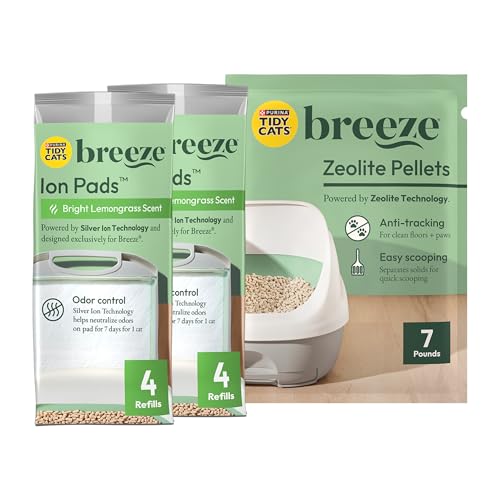
  • Best Odour Control: Tidy Cats Breeze Pellet System Pellets. These pellets are designed for the Tidy Cats Breeze system, but can be used in any sifting.
  • Best Low-Dust: Okocat Natural Wood Pellet Litter. Okocat is made from reclaimed wood and is virtually dust-free, ideal for kittens with resp.
  • Best Multi-Cat: Arm & Hammer Naturals Clumping Litter. This litter combines wood fibers with baking soda for powerful odor control in multi-cat h.
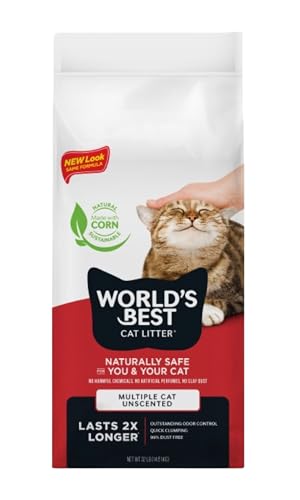
  • Best Natural: World's Best Cat Litter Multiple Cat Unscented. Made from whole-kernel corn, this litter is flushable and biodegradable.
At a Glance

Quick Comparison

Quick answer

Our top pick for the best wood pellet cat litter for kittens is the Feline Pine Original Cat Litter. It is unscented, low-dust, and made from natural pine, making it safe for curious kittens. For better odor control in multi-cat homes, consider the Tidy Cats Breeze Pellet System Pellets. If you prefer a softer texture, the Okocat Natural Wood Pellet Litter is a great alternative.

What to consider for Wood Pellet Cat Litter For Kittens

Kittens are more sensitive to dust and chemicals than adult cats. Wood pellet litter is naturally low-dust and free from synthetic fragrances, reducing respiratory irritation. However, pellets can be larger and less familiar to kittens; some may need a transition period. Also, wood pellets absorb moisture and break down into sawdust, so you’ll need a sifting litter box or scoop out the dust. Ensure the litter is unscented and non-toxic if ingested, as kittens often explore with their mouths.

What to look for in a cat litter or litter-area product

When choosing a litter for kittens, prioritize strong clumping and odor control to keep the box fresh. Low dust is critical for developing airways. Low tracking helps keep your home clean. For multi-cat households, choose a litter that handles multiple cats without odor overload. Unscented options are best for sensitive kittens.

How we chose these picks

  • Evaluated based on publicly available product information and manufacturer specifications.
  • Prioritized litters specifically marketed as safe for kittens or with low-dust, unscented formulas.
  • Considered customer reviews for real-world feedback on odor control, dust levels, and kitten acceptance.
  • Compared absorbency and clumping ability using established guidelines.
  • Focused on natural, non-toxic ingredients to ensure safety if ingested.
  • Selected a range of price points to fit different budgets.
  • Never ranked a product higher just because it pays a commission.

What to avoid

  • Heavily scented litters that can deter kittens from using the box or cause respiratory issues.
  • High-dust clay litters that may aggravate sensitive airways.
  • A litter box that is too small or has high sides that are difficult for kittens to enter.
  • Sudden litter changes; always transition gradually over a week to avoid litter box aversion.

For more tips, check out our cat guides, cat health, and cat care products.
Why this matters

Wood pellet litter is one of the safest choices for kittens due to its low dust and natural composition, but it requires a sifting box or frequent scooping to manage the sawdust byproduct.

The Options

Types Explained

Wood Pellet Litter

Made from compressed sawdust, usually from pine or other softwoods. It absorbs moisture and breaks down into sawdust. Non-clumping, requires sifting.

Best for: Kittens with dust sensitivities; owners willing to sift.

Clumping Wood Litter

Wood-based litter that forms clumps when wet, often mixed with binders like guar gum. Easier scooping but may have more dust.

Best for: Owners who want clumping convenience with natural materials.

Pellet System Litter

Designed for two-layer litter boxes. Pellets sit on top, urine drains to a pad below. Reduces scooping but requires specific box.

Best for: Multi-cat homes; owners wanting low-maintenance.

Natural Plant-Based Litter

Made from corn, wheat, or walnut shells. Often clumping and flushable. Low-dust but may track more.

Best for: Eco-conscious owners; kittens with allergies to wood.
The Rankings

Top 5 Picks

#1
Feline Pine Original Cat Litter
Best Overall

Feline Pine Original Cat Litter

View on Amazon

Feline Pine is unscented, low-dust, and made from natural pine, making it safe for kittens. It absorbs moisture well and turns into sawdust for easy sifting. The larger pellets reduce tracking. However, it does not clump, so you must remove solid waste daily and replace the litter entirely every few days.

#2
Tidy Cats Breeze Pellet System Pellets
Best Odour Control

Tidy Cats Breeze Pellet System Pellets

View on Amazon

These pellets are designed for the Tidy Cats Breeze system, but can be used in any sifting box. They are highly absorbent and lock in odors with ammonia-blocking technology. The pellets are large and low-dust. A trade-off is that they require a specific two-layer box or sifting to separate waste from pellets.

#3
Okocat Natural Wood Pellet Litter
Best Low-Dust

Okocat Natural Wood Pellet Litter

View on Amazon

Okocat is made from reclaimed wood and is virtually dust-free, ideal for kittens with respiratory sensitivity. It clumps moderately and has a natural pine scent that fades quickly. However, the clumps can be soft and may break apart during scooping, requiring more frequent cleaning.

#4
Arm & Hammer Naturals Clumping Litter
Best Multi-Cat

Arm & Hammer Naturals Clumping Litter

View on Amazon

This litter combines wood fibers with baking soda for powerful odor control in multi-cat homes. It clumps firmly and is low-dust. The natural formula is safe for kittens. One limitation is that it contains some fragrance, which may not suit all kittens; the scent is mild but present.

#5
World's Best Cat Litter Multiple Cat Unscented
Best Natural

World's Best Cat Litter Multiple Cat Unscented

View on Amazon

Made from whole-kernel corn, this litter is flushable and biodegradable. It clumps well and controls odors with natural enzymes. It is unscented and low-dust, making it safe for kittens. However, it is not a wood pellet litter, but it is a natural alternative that meets similar criteria; some kittens may track the lighter granules.

Before You Buy

Key Buying Factors

01

Dust Level

Kittens have sensitive respiratory systems. Choose a litter labeled low-dust or dust-free to minimize airborne particles.

02

Clumping vs Non-Clumping

Clumping litters make scooping easier, but some wood pellets are non-clumping. For kittens, clumping can help contain moisture and odor, but ensure the clumps are firm.

03

Odor Control

Look for natural odor control like baking soda or activated charcoal. Avoid heavy perfumes that may deter kittens.

04

Tracking

Larger pellets track less than fine granules. Consider a litter mat to reduce mess.

05

Safety if Ingested

Kittens explore with their mouths. Choose non-toxic, natural materials like pine or corn that are safe if small amounts are swallowed.

Living With It

Care, Cost and Maintenance

Daily Scooping

Remove solid waste at least once daily. For non-clumping wood pellets, sift out sawdust and add fresh pellets as needed.

Weekly Deep Clean

Empty the entire box, wash with mild soap and water, dry thoroughly, and refill with fresh litter. Avoid harsh chemicals.

Transitioning to New Litter

Gradually mix new litter with old over 5 to 7 days, increasing the proportion of new litter each day to avoid litter box aversion.

Pro tip

To help your kitten adjust to wood pellets, mix a small amount of their current litter with the pellets and gradually increase the ratio over a week. Place a litter mat under the box to catch scattered pellets.

Frequently asked questions

How often should I change wood pellet cat litter for kittens?
For non-clumping wood pellets, you should scoop solid waste daily and stir the pellets to distribute moisture. The entire litter should be changed every 3 to 5 days, depending on the number of kittens and your odor tolerance. Clumping wood litters can last longer, up to a week, if you remove clumps daily. Always follow the manufacturer's recommendations and monitor for odors.
Is clumping or non-clumping litter better for kittens?
Both have pros and cons. Clumping litter makes it easy to remove urine and feces, keeping the box cleaner longer. However, some clumping litters contain sodium bentonite, which can cause digestive blockages if ingested in large amounts. Non-clumping wood pellets are less likely to be ingested and are generally safer, but require more frequent full changes. For kittens under 8 weeks, non-clumping is often recommended. For older kittens, a natural clumping litter is fine if they don't eat it.
Can wood pellet litter cause respiratory issues in kittens?
Wood pellet litter is one of the lowest-dust options available, making it a good choice for kittens with sensitive airways. However, some wood litters may produce fine dust when pellets break down. To minimize risk, choose a brand labeled 'low-dust' or 'dust-free' and avoid litters with added fragrances. If your kitten shows signs of sneezing or coughing, switch to an even lower-dust alternative like paper-based litter.
How do I control odor with wood pellet litter?
Wood pellet litter naturally controls odor by absorbing moisture and releasing a mild pine scent. For better odor control, scoop solid waste daily and sift out sawdust to prevent ammonia buildup. You can also sprinkle baking soda on the bottom of the box before adding litter. In multi-cat homes, consider using a litter with added activated charcoal or replace the litter more frequently.
What is the best litter setup for multiple kittens?
For multiple kittens, provide one litter box per kitten plus one extra, placed in quiet, accessible locations. Use a low-dust, unscented litter like wood pellets to avoid respiratory issues. Consider a larger box or a pellet system with a urine pad to reduce odor. Scoop at least twice daily and do a full litter change every 3 to 4 days. A litter mat can help reduce tracking.
Which cat litter tracks the least?
Larger pellet litters, such as wood pellets, track less than fine-grained litters because they are heavier and less likely to stick to paws. However, no litter is completely track-free. To minimize tracking, use a litter mat with a textured surface or a high-sided box. Some pellet systems also have a grate that helps remove loose pellets from paws.
Should I use scented or unscented litter for kittens?
Unscented litter is generally recommended for kittens because their sense of smell is more sensitive and strong fragrances can deter them from using the box. Scented litters may also cause respiratory irritation or allergic reactions. If you need odor control, choose a litter with natural odor absorbers like baking soda or activated charcoal, which are unscented.
My kitten is not using the litter box. What should I do?
First, rule out medical issues by consulting a veterinarian. Ensure the litter box is clean, accessible, and in a quiet location. The litter type may be a factor; try switching to an unscented, fine-textured litter that mimics soil. Avoid punishing the kitten. Instead, use positive reinforcement and place them in the box after meals or naps. If problems persist, consult a certified cat behaviorist.
Can I flush wood pellet cat litter?
Some wood pellet litters are labeled flushable, but it's generally not recommended because the sawdust can clog pipes and may contain pathogens. Even if the packaging says flushable, it's safer to dispose of used litter in the trash. Check with your local wastewater treatment facility for guidelines. Composting is an option for some natural litters, but only if you have a dedicated compost pile for pet waste.
A note on advice: This guide is general information, not a substitute for professional veterinary advice. Talk to your vet before changing your dog's diet or care routine, especially if your dog has allergies, kidney disease, pancreatitis, obesity, heart disease or any other medical condition.
Transparency

How we made this guide

How we chose. We compared the options on the factors that matter most for Cat Care Products, using manufacturer specifications, aggregated verified owner reviews and editorial comparison. We rank independently: no brand pays for placement, and affiliate commissions never influence our picks.

How it was written. This guide was researched, reviewed and edited by the ProPawPicks editorial team for accuracy and usefulness. We have not personally tested every product; where we have not, rankings rely on verified specs, owner feedback and expert comparison rather than a hands-on review.

Affiliate disclosure. ProPawPicks is reader-supported. If you buy through links on our site, we may earn a commission at no extra cost to you. See our affiliate disclosure.

Keep Reading

More Cat Care Products guides

Which Interactive Cat Is Most Realistic? Our 2026 Top PickView picks โ†’Interactive Cat Feeders That Cats Actually Use: 2026 Top 4View picks โ†’Indoor cat fences: best invisible dog fence for cats in 2026View picks โ†’Invisible Fence for Cat, RankedView picks โ†’Jewelry Monster Friend Cat Necklaces: What to Look ForView picks โ†’Best Kh Manufacturing Cat Trees 2026: 5 Sturdy Picks for Large HomesView picks โ†’

Sources and further reading

Some links below are affiliate links. If you buy through them we may earn a small commission at no extra cost to you. Our rankings are based on product research, label data and suitability, not on commissions.