๐Ÿ† Complete Buyer's Guide ยท Cat Care Products

Wood Pellet Cat Litter for Senior Cats: 5 Top Picks

Wood pellet litter is low dust and lightweight, ideal for senior cats with respiratory or joint issues. We review 5 options, including Feline Pine, to help you find the best fit for your older feline.

Some links below are affiliate links. If you buy through them we may earn a small commission at no extra cost to you. Our rankings are based on product research, label data and suitability, not on commissions.

Feline Pine Original Pine Pellet Cat Litter โ˜… Top Pick: Feline Pine Original Pine Pellet Cat Litter Check Price on Amazon →
99%
Dust-free claim (top picks)
2-3 weeks
Typical litter change interval for wood pellets
5-10 lbs
Average bag weight for easy handling
1-2 inches
Recommended pellet depth for senior cats
โšก Key takeaways
  • Best Overall: Feline Pine Original Pine Pellet Cat Litter. This virtually dust-free pine pellet litter is ideal for senior cats with respiratory sens.
  • Best Odour Control: Arm & Hammer Naturals Clumping Litter. Made from natural plant fibers with baking soda, this clumping litter locks in odors effec.
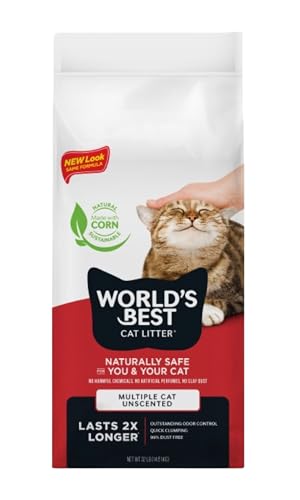
  • Best Low-Dust: World's Best Cat Litter Multiple Cat Unscented. This corn-based litter produces minimal dust, protecting senior cats' airways.
  • Best Multi-Cat: Tidy Cats Naturally Strong Unscented. Formulated for multiple cats, this litter uses plant-based ingredients with activated char.
  • Best Natural: Fresh Step Clean Paws Unscented Clumping Litter. This clay-free, plant-based litter is 99% dust-free and made from renewable materials.
At a Glance

Quick Comparison

Quick answer

The best wood pellet cat litter for senior cats is Feline Pine Original Pine Pellet Cat Litter for its virtually dust-free formula and natural pine scent that controls odors without harsh perfumes. For cats with arthritis, the lightweight pellets reduce strain during digging. If your senior cat prefers a softer texture, consider Arm & Hammer Naturals Clumping Litter instead.

What to consider for Wood Pellet Cat Litter For Senior Cats

Senior cats often have sensitive respiratory systems and joint pain. Wood pellet litter is naturally low in dust, which helps protect aging lungs. The larger pellet size also makes it easier for arthritic paws to dig and cover waste. However, some senior cats may dislike the texture change from traditional clay litter, so a gradual transition is key. Look for litters with added odor control from natural enzymes or baking soda, as older cats may have more concentrated urine.

What to look for in a cat litter or litter-area product

When choosing a litter for senior cats, prioritize low dust to minimize respiratory irritation. Strong clumping and odor control are essential for managing ammonia buildup from less frequent box cleaning. Low tracking reduces mess, especially if your cat has mobility issues. For multi-cat households, ensure the litter can handle multiple users. Unscented options are best for sensitive noses, but a mild natural scent like pine can be acceptable.

How we chose these picks

  • Evaluated dust levels based on manufacturer specifications and independent reviews.
  • Considered pellet size and texture for ease of digging by senior cats.
  • Assessed odor control claims using established guidance on enzyme and carbon additives.
  • Checked for unscented or naturally scented formulas to avoid overwhelming feline senses.
  • Reviewed customer feedback for real-world performance on tracking and clumping.
  • Prioritized products with recyclable or biodegradable packaging for eco-conscious owners.
  • Compared price per pound to ensure value for regular purchases.
  • Never ranked a product higher just because it pays a commission.

What to avoid

  • Heavily scented litters that can deter senior cats from using the box.
  • High-dust clay litters that exacerbate breathing issues in older cats.
  • A litter box that is too small or has high sides, making entry painful for arthritic cats.
  • Sudden litter changes; always mix old and new litter gradually over a week.

For more guidance, visit our cat guides, cat care products, and cat health sections.

Why this matters

Wood pellet litter is naturally low in dust and lightweight, making it an excellent choice for senior cats with respiratory or joint issues, but its non-clumping nature requires more frequent full changes to control odor.

The Options

Types Explained

Pine Pellet Litter

Made from compressed pine sawdust, these pellets break down into sawdust when wet. They are highly absorbent, low dust, and naturally control odor with a mild pine scent. Non-clumping, so solid waste must be scooped daily.

Best for: Senior cats with respiratory issues or arthritis, as the pellets are lightweight and dust-free.

Plant-Based Clumping Litter

Formulated from corn, wheat, or other plant fibers, these litters clump like clay but are biodegradable and low dust. They often contain natural enzymes for odor control. Some may be heavier than pellets.

Best for: Senior cats that prefer a clumping texture and owners who want easy scooping with less dust.

Recycled Paper Pellet Litter

Made from recycled paper, these pellets are extremely soft, dust-free, and highly absorbent. They are non-clumping and need frequent changes. They are also flushable in small amounts.

Best for: Senior cats with very sensitive paws or respiratory conditions, and eco-conscious owners.

Wood-Based Clumping Litter

A newer category that combines wood fibers with clumping agents. These litters offer the benefits of wood (low dust, natural odor control) with the convenience of clumping. They may be more expensive.

Best for: Senior cat owners who want the best of both worlds: low dust and easy scooping.
The Rankings

Top 5 Picks

#1
Feline Pine Original Pine Pellet Cat Litter
Best Overall

Feline Pine Original Pine Pellet Cat Litter

View on Amazon

This virtually dust-free pine pellet litter is ideal for senior cats with respiratory sensitivities. The natural pine scent controls odors without artificial perfumes. Pellets are lightweight, reducing strain on arthritic paws. However, it does not clump, so daily scooping of solid waste is required, and some cats may not like the texture.

#2
Arm & Hammer Naturals Clumping Litter
Best Odour Control

Arm & Hammer Naturals Clumping Litter

View on Amazon

Made from natural plant fibers with baking soda, this clumping litter locks in odors effectively. It is low dust and soft on paws, making it suitable for seniors. The clumping action simplifies cleaning. A trade-off is that it may track more than pellet litters, requiring a mat.

#3
World's Best Cat Litter Multiple Cat Unscented
Best Low-Dust

World's Best Cat Litter Multiple Cat Unscented

View on Amazon

This corn-based litter produces minimal dust, protecting senior cats' airways. It clumps firmly for easy scooping and controls odors well in multi-cat homes. The unscented formula is gentle on sensitive noses. One limitation is that it can be more expensive than wood pellets, and some cats may try to eat it.

#4
Tidy Cats Naturally Strong Unscented
Best Multi-Cat

Tidy Cats Naturally Strong Unscented

View on Amazon

Formulated for multiple cats, this litter uses plant-based ingredients with activated charcoal for odor control. It is low dust and clumps well. The unscented version is safe for senior cats. However, it may not be as eco-friendly as pure wood pellets, and the granules can be slightly dusty.

#5
Fresh Step Clean Paws Unscented Clumping Litter
Best Natural

Fresh Step Clean Paws Unscented Clumping Litter

View on Amazon

This clay-free, plant-based litter is 99% dust-free and made from renewable materials. It clumps tightly and controls odors naturally. The unscented formula is ideal for seniors. A drawback is that it may not be as absorbent as wood pellets, requiring more frequent changes.

Before You Buy

Key Buying Factors

01

Dust Level

Senior cats are prone to respiratory issues, so choose a litter labeled low-dust or dust-free. Wood pellets are naturally low in dust, but some brands may have more fines. Check customer reviews for dust complaints.

02

Pellet Size and Texture

Larger pellets are easier for arthritic paws to dig and less likely to stick to fur. However, some seniors prefer finer textures. Test a small bag first to see your cat's preference.

03

Odor Control

Senior cats may have stronger-smelling urine. Look for litters with natural odor absorbers like pine, baking soda, or activated charcoal. Avoid heavy perfumes that can deter use.

04

Clumping vs. Non-Clumping

Clumping litters simplify scooping but may contain additives. Non-clumping wood pellets absorb urine and require full changes more often. Consider your cleaning routine and your cat's sensitivity.

05

Tracking and Mess

Wood pellets tend to track less than fine clumping litters, but some dust can still escape. Use a litter mat to reduce scatter. Low-tracking formulas are especially helpful for cats with mobility issues.

Living With It

Care, Cost and Maintenance

Daily Scooping and Spot Cleaning

Scoop solid waste daily to keep the box fresh. For non-clumping wood pellets, remove soiled pellets and stir the litter to distribute moisture. Use a slotted scoop to separate sawdust from intact pellets.

Full Litter Change Schedule

Change all litter every 2 to 3 weeks for wood pellets, or more often if odor develops. Wash the box with mild soap and water, avoiding harsh chemicals. Dry thoroughly before refilling.

Transitioning to a New Litter

Mix the new litter with the old in increasing proportions over 7 to 10 days. Start with 25% new, then 50%, 75%, and finally 100%. Monitor your senior cat's acceptance and box usage.

Pro tip

Place a second litter box with a different texture (e.g., fine clumping litter) to give your senior cat a choice, and gradually mix the wood pellets with the old litter over a week to ease the transition.

Frequently asked questions

How often should I change wood pellet cat litter for a senior cat?
For non-clumping wood pellet litter, change the entire box every 2 to 3 weeks, or sooner if you notice strong ammonia odors. Scoop solid waste daily and stir the pellets to distribute moisture. If you use a clumping wood-based litter, scoop clumps daily and do a full change every 3 to 4 weeks. Senior cats may have more concentrated urine, so monitor odor closely.
Is clumping or non-clumping wood pellet litter better for senior cats?
It depends on your cat's preferences and your cleaning routine. Non-clumping wood pellets are very low dust and absorb urine well, but require daily scooping of solids and full changes more often. Clumping wood-based litters are easier to clean but may contain additives that create more dust. For senior cats with respiratory issues, non-clumping pellets are often safer. Test both types to see which your cat accepts.
Can wood pellet litter cause respiratory problems in senior cats?
Wood pellet litter is generally low dust and less likely to irritate airways compared to clay litters. However, some brands may have fine sawdust at the bottom of the bag. To minimize risk, choose a brand labeled 99% dust-free and avoid pouring litter from a height. If your senior cat has asthma or chronic respiratory issues, consult your veterinarian before switching.
How do I control odor with wood pellet litter for my senior cat?
Wood pellets naturally control odor with pine or cedar oils, but you can enhance it by sprinkling baking soda on the bottom of the box before adding litter. Scoop solids daily and stir the pellets to expose fresh surfaces. For stronger odors, consider a litter with added activated charcoal. Ensure the box is large enough and clean it thoroughly during full changes.
What is the best setup for multiple senior cats using wood pellet litter?
Provide one litter box per cat plus one extra, placed in quiet, accessible locations. Use a low-entry box for arthritic cats. Choose a wood pellet litter with strong odor control, such as those with activated charcoal. Scoop at least twice daily and do full changes weekly to prevent ammonia buildup. Monitor each cat's usage to ensure no one is avoiding the box.
How can I reduce tracking from wood pellet litter?
Wood pellets track less than fine clumping litters, but some dust and small pieces may still escape. Place a large, textured litter mat outside the box to catch debris. Choose a litter with larger, uniform pellets that are less likely to stick to paws. You can also try a top-entry box to reduce scatter, but ensure it is easy for your senior cat to enter.
Should I use scented or unscented wood pellet litter for my senior cat?
Unscented is generally safer for senior cats, as their sense of smell may be more sensitive. Strong artificial fragrances can deter them from using the box. Natural scents like pine are usually well-tolerated, but some cats may still object. If your cat shows signs of avoidance, switch to an unscented formula. Always introduce new scents gradually.
My senior cat started avoiding the litter box after I switched to wood pellets. What should I do?
First, rule out medical issues by consulting your veterinarian. If the problem is the litter, revert to the previous type and transition more slowly over 2 weeks. Ensure the box is clean, low-sided, and in a quiet area. Try adding a second box with the old litter while keeping the new one. Some cats need time to adjust to the texture and smell of wood pellets.
Can wood pellet litter be used in automatic self-cleaning litter boxes?
Most self-cleaning boxes are designed for clumping clay litter. Wood pellets may not work well because they do not clump or can jam the mechanism. However, some models like the Litter-Robot can handle certain wood-based clumping litters. Always check the manufacturer's recommendations. For senior cats, a standard low-entry box is often easier to access.
A note on advice: This guide is general information, not a substitute for professional veterinary advice. Talk to your vet before changing your pet's diet or care routine, especially if your pet has allergies, kidney disease, pancreatitis, obesity, heart disease or any other medical condition.
Transparency

How we made this guide

How we chose. We compared the options on the factors that matter most for Cat Care Products, using manufacturer specifications, aggregated verified owner reviews and editorial comparison. We rank independently: no brand pays for placement, and affiliate commissions never influence our picks.

How it was written. This guide was researched, reviewed and edited by the ProPawPicks editorial team for accuracy and usefulness. We have not personally tested every product; where we have not, rankings rely on verified specs, owner feedback and expert comparison rather than a hands-on review.

Affiliate disclosure. ProPawPicks is reader-supported. If you buy through links on our site, we may earn a commission at no extra cost to you. See our affiliate disclosure.

Keep Reading

More Cat Care Products guides

Expert Picks: Best Insulation for Outdoor Cat Houses (2026)View picks โ†’Interactive Cat Toys That Mimic Prey: 2026 Top PicksView picks โ†’Iprimio Cat Litter Scoops, ReviewedView picks โ†’Cat Trees That Don’t Wobble: IRIS USA Top Pick ReviewedView picks โ†’Jewelry Monster Friend Cat Necklaces: What to Look ForView picks โ†’Experts Pick: Johnson’s Baby Shampoos (Not for Cats)View picks โ†’

Sources and further reading

Some links below are affiliate links. If you buy through them we may earn a small commission at no extra cost to you. Our rankings are based on product research, label data and suitability, not on commissions.