๐Ÿ† Complete Buyer's Guide ยท Dog Food

Fuel Working Dogs Safely: 5 Low Fat Dog Foods for Pancreatitis 2026

Pancreatitis in working dogs needs low fat under 10% dry matter. See 5 vet-recommended picks like Royal Canin Gastrointestinal Low Fat for safe energy.

Some links below are affiliate links. If you buy through them we may earn a small commission at no extra cost to you. Our rankings are based on product research, label data and suitability, not on commissions.

Royal Canin Veterinary Diet Gastrointestinal Low Fat Dry Dog Food โ˜… Top Pick: Royal Canin Veterinary Diet Gastrointestinal Low Faโ€ฆ Check Price on Amazon →
Under 10%
Recommended fat content (dry matter) for pancreatitis-prone dogs
25 to 30%
Typical protein range for working dog foods
350 to 400 kcal
Calories per cup for energy-dense working dog diets
7 to 10 days
Recommended transition period when switching foods
โšก Key takeaways
  • Best Overall: Royal Canin Veterinary Diet Gastrointestinal Low Fat Dry Dog Food. This prescription diet is specifically formulated for dogs with pancreatitis, featuring lo.
  • Best for Sensitive Stomach: Purina Pro Plan Veterinary Diets EN Low Fat Dry Dog Food. Designed for dogs with gastrointestinal issues, this low-fat formula (around 6% dry matter.
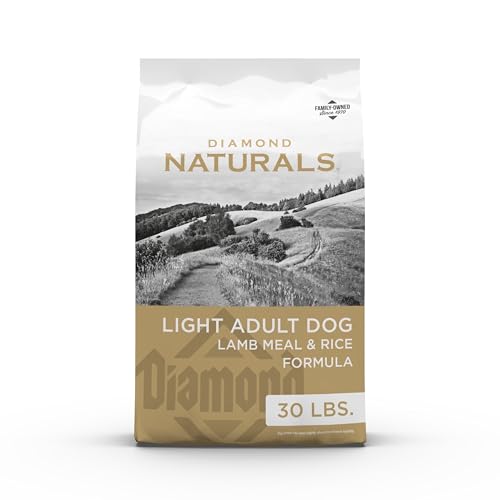
  • Best Budget: Diamond Naturals Low Fat Rice Formula Dry Dog Food. This affordable option features chicken meal as the first ingredient and a low fat content.
  • Best Grain-Inclusive: Hill's Science Diet Sensitive Stomach & Skin Dry Dog Food. With chicken as the first ingredient and a fat content around 12% dry matter, this food is.
  • Best for Active Dogs: Wellness CORE Digestive Health Dry Dog Food. This grain-inclusive formula has a moderate fat level (around 11% dry matter) and includes.
At a Glance

Quick Comparison

Quick answer

For most working dogs prone to pancreatitis, our top pick is Royal Canin Veterinary Diet Gastrointestinal Low Fat. It provides controlled fat levels (around 5.5% dry matter) and highly digestible proteins to support energy without triggering flare-ups. If your dog needs a grain-inclusive option with joint support, consider Purina Pro Plan Veterinary Diets EN Low Fat. For a more budget-friendly choice, Diamond Naturals Low Fat Rice Formula offers solid nutrition at a lower price point.

What to consider for Working Dog Food For Pancreatitis Prone Dogs

Working dogs require sustained energy from a diet that is low in fat to avoid pancreatitis episodes. Fat content should typically be under 10% on a dry matter basis, but exact needs vary. Protein must come from high-quality, easily digestible sources like chicken meal or egg. Carbohydrates from rice or barley provide energy without taxing the pancreas. Additionally, joint support (glucosamine, chondroitin) and omega-3 fatty acids (from fish oil) are beneficial for active dogs. Always consult your veterinarian to tailor fat and calorie levels to your dog’s specific condition and workload.

What to look for in a dog food

Look for a food that is AAFCO complete and balanced for adult maintenance or all life stages (if appropriate for your dog’s age). The first ingredient should be a named meat or meat meal such as chicken meal or salmon meal. Protein should be moderate to high (around 25 to 30% dry matter) and fat low (under 10% dry matter, ideally 5 to 8%). For working dogs, calorie density should be moderate to high (around 350 to 400 kcal per cup) to maintain energy. If your dog is a large breed, ensure the food meets large breed calcium and phosphorus guidelines. Joint supplements like glucosamine and chondroitin are a plus, as are omega-3 fatty acids from fish oil for anti-inflammatory benefits.

How we chose these picks

  • Evaluated guaranteed analysis for low fat content (under 10% dry matter) suitable for pancreatitis-prone dogs.
  • Prioritized highly digestible protein sources and limited ingredient lists to reduce digestive stress.
  • Checked for AAFCO nutritional adequacy statements and manufacturing quality standards.
  • Considered calorie density to meet the energy demands of working dogs without excessive fat.
  • Reviewed inclusion of joint-supporting nutrients like glucosamine and chondroitin for active dogs.
  • Selected products from reputable brands with transparent sourcing and quality control.
  • Included a range of price points to accommodate different budgets.
  • Never ranked a product higher just because it pays a commission.

What to avoid

  • Avoid foods with unnamed meat meals (e.g., “meat meal”) as the primary protein source; choose named meals like chicken meal or salmon meal.
  • Do not default to grain-free or legume-heavy recipes unless advised by your veterinarian, as the FDA continues to investigate a potential link to canine dilated cardiomyopathy (DCM). Grain-inclusive options are generally safer.
  • Steer clear of all-life-stages foods for large-breed puppies, as they may have inappropriate calcium levels.
  • Avoid abrupt diet switches; transition over 7 to 10 days by gradually mixing new food with old to prevent digestive upset.

For more guidance, explore our dog guides and related categories: dog food, dog health, and dog nutrition.

Why this matters

Pancreatitis in working dogs requires a careful balance of low fat (under 10% dry matter) and adequate calories from protein and carbohydrates to sustain energy without triggering inflammation.

The Options

Types Explained

Prescription Low-Fat Diets

These are veterinary-exclusive formulas with very low fat (typically 5 to 7% dry matter) and highly digestible ingredients. They are designed for dogs with pancreatitis or other digestive disorders.

Best for: Dogs with recurrent or severe pancreatitis that require strict fat restriction under veterinary supervision.

Over-the-Counter Low-Fat Foods

Available without a prescription, these foods have fat content around 7 to 10% dry matter. They often include added fibers and probiotics for digestive health.

Best for: Mild pancreatitis cases or dogs prone to flare-ups but not currently symptomatic, after vet approval.

Limited Ingredient Diets

These diets use a single protein source and minimal ingredients to reduce the risk of food sensitivities. They may be low in fat but not always; check the label.

Best for: Dogs with suspected food allergies or intolerances that also need a low-fat option.

Grain-Inclusive Formulas

These include grains like rice, barley, or oats, which provide digestible carbohydrates for energy. They are generally safer than grain-free diets regarding DCM concerns.

Best for: Working dogs that need sustained energy from carbohydrates and do not have grain allergies.
The Rankings

Top 5 Picks

#1
Royal Canin Veterinary Diet Gastrointestinal Low Fat Dry Dog Food
Best Overall

Royal Canin Veterinary Diet Gastrointestinal Low Fat Dry Dog Food

View on Amazon

This prescription diet is specifically formulated for dogs with pancreatitis, featuring low fat (around 5.5% dry matter) and highly digestible proteins. It supports digestive health with prebiotics and omega-3 fatty acids. However, it requires veterinary authorization and is on the pricier side, making it less accessible without a prescription.

#2
Purina Pro Plan Veterinary Diets EN Low Fat Dry Dog Food
Best for Sensitive Stomach

Purina Pro Plan Veterinary Diets EN Low Fat Dry Dog Food

View on Amazon

Designed for dogs with gastrointestinal issues, this low-fat formula (around 6% dry matter) includes rice and barley for easy digestion. It also contains glucosamine for joint health, beneficial for working dogs. A limitation is that it is a veterinary diet, so a prescription is needed, and some dogs may find the kibble size too small for large breeds.

#3
Diamond Naturals Low Fat Rice Formula Dry Dog Food
Best Budget

Diamond Naturals Low Fat Rice Formula Dry Dog Food

View on Amazon

This affordable option features chicken meal as the first ingredient and a low fat content (around 7% dry matter). It includes probiotics and omega fatty acids for skin and coat health. However, it is not a prescription diet and may not be low enough in fat for severe pancreatitis cases; always check with your vet.

#4
Hill's Science Diet Sensitive Stomach & Skin Dry Dog Food
Best Grain-Inclusive

Hill's Science Diet Sensitive Stomach & Skin Dry Dog Food

View on Amazon

With chicken as the first ingredient and a fat content around 12% dry matter, this food is slightly higher in fat but still suitable for mild pancreatitis. It contains prebiotic fiber for digestive health and vitamin E for skin. The trade-off is that it may be too high in fat for dogs with recurrent pancreatitis, so vet approval is advised.

#5
Wellness CORE Digestive Health Dry Dog Food
Best for Active Dogs

Wellness CORE Digestive Health Dry Dog Food

View on Amazon

This grain-inclusive formula has a moderate fat level (around 11% dry matter) and includes probiotics and taurine for heart health. It features chicken meal and whitefish for high-quality protein. The limitation is that it is not specifically low-fat, so it may not be appropriate for dogs with active pancreatitis; consult your veterinarian first.

Before You Buy

Key Buying Factors

01

Fat Content

Fat is the primary trigger for pancreatitis. Look for foods with less than 10% fat on a dry matter basis. Some prescription diets go as low as 5 to 6%. Always check the guaranteed analysis and consult your vet for the appropriate level for your dog.

02

Protein Source and Digestibility

Highly digestible proteins like chicken meal, egg, or fish reduce pancreatic workload. Avoid by-products or unnamed meals. Limited ingredient diets can help identify sensitivities.

03

Calorie Density

Working dogs need ample calories, but high fat often means high calories. Choose a food with moderate calorie density (350 to 400 kcal per cup) from carbohydrates and protein rather than fat.

04

Joint and Omega Support

Active dogs benefit from glucosamine and chondroitin for joint health, and omega-3 fatty acids (from fish oil) for anti-inflammatory effects. These can support overall wellness without adding fat.

05

Veterinary Guidance

Pancreatitis management is individual. Prescription diets are often recommended for severe cases. Always involve your veterinarian in selecting a food, especially if your dog has had multiple episodes.

Living With It

Care, Cost and Maintenance

Feeding Schedule and Portion Control

Feed smaller, more frequent meals (3 to 4 times daily) to reduce the workload on the pancreas. Use a measuring cup to ensure accurate portions based on the food's calorie density and your dog's weight. Avoid free-feeding.

Monitoring for Symptoms

Watch for signs of pancreatitis: vomiting, diarrhea, loss of appetite, abdominal pain, or lethargy. If symptoms appear, stop feeding and contact your veterinarian immediately. Keep a food diary to track any triggers.

Transitioning Foods Safely

When switching to a new low-fat diet, transition gradually over 7 to 10 days. Start with 25% new food mixed with 75% old, then increase by 25% every 2 to 3 days. This minimizes digestive upset and allows you to monitor tolerance.

Pro tip

Always introduce new low-fat foods gradually over 7 to 10 days, and keep a food diary to identify any specific ingredients that may cause flare-ups.

Frequently asked questions

How much should I feed my working dog with pancreatitis?
The amount depends on the food's calorie density and your dog's weight, activity level, and body condition. For a moderately active 50-pound dog, a low-fat diet might require 3 to 4 cups per day, split into multiple meals. Always follow the feeding guide on the package and adjust based on your veterinarian's recommendations. Monitor your dog's weight and condition regularly.
How many calories does a working dog with pancreatitis need daily?
Calorie needs vary widely. A working dog may require 30 to 40 calories per pound of body weight per day, but with pancreatitis, fat restriction limits calorie density. For a 50-pound dog, that could be 1500 to 2000 calories daily. Use a low-fat food with moderate calorie density and supplement with safe, low-fat treats if needed. Consult your vet for a precise calculation.
Is grain-free dog food safe for pancreatitis-prone dogs?
Grain-free diets are not inherently safer for pancreatitis. In fact, many grain-free foods use legumes or potatoes as carbohydrate sources, which can be higher in fiber and may not provide the easily digestible energy working dogs need. Additionally, the FDA continues to investigate a potential link between grain-free diets and canine dilated cardiomyopathy (DCM). Grain-inclusive diets are generally recommended unless your veterinarian advises otherwise.
Can I feed puppy food to a working dog with pancreatitis?
Puppy foods are typically higher in fat and calories to support growth, which can trigger pancreatitis. They are not suitable for adult dogs with pancreatitis. If you have a puppy prone to pancreatitis, look for a low-fat puppy formula specifically designed for digestive health, and always consult your veterinarian for guidance.
What should I feed an overweight working dog with pancreatitis?
Weight management is crucial. Choose a low-fat, low-calorie diet that still provides adequate protein for muscle maintenance. Look for foods with around 5 to 8% fat and 300 to 350 kcal per cup. Incorporate regular, moderate exercise as tolerated. Your veterinarian can help design a weight loss plan that doesn't compromise pancreatic health.
Is there a specific diet for senior working dogs with pancreatitis?
Senior dogs may benefit from diets with moderate protein (to maintain muscle mass) and lower phosphorus (for kidney health). Look for low-fat senior formulas that include joint supplements like glucosamine. However, fat restriction remains the priority. Always check with your vet, as senior dogs may have other health issues that affect dietary choices.
Are there size-specific considerations for large breed working dogs with pancreatitis?
Large breed dogs need controlled calcium and phosphorus levels to support bone health. Choose a low-fat diet formulated for large breeds, which often includes joint support. Ensure the kibble size is appropriate to encourage chewing. Avoid all-life-stages foods that may have inappropriate nutrient levels for large breeds.
Should I feed dry or wet food to a dog with pancreatitis?
Both can work, but dry food is often more calorie-dense and convenient for working dogs. Wet food has higher moisture content, which can aid hydration but may be lower in calories per volume. Some dogs find wet food more palatable. If using wet food, ensure it is low in fat. Mixing both can provide variety. Always check the fat content on the label.
Can I give treats to my working dog with pancreatitis?
Yes, but choose low-fat treats such as plain cooked chicken breast (no skin), green beans, or commercial low-fat training treats. Avoid high-fat treats like cheese, peanut butter, or fatty meats. Treats should make up no more than 10% of daily calories. Always read labels and consult your vet for safe options.
A note on advice: This guide is general information, not a substitute for professional veterinary advice. Talk to your vet before changing your dog's diet or care routine, especially if your dog has allergies, kidney disease, pancreatitis, obesity, heart disease or any other medical condition.
Transparency

How we made this guide

How we chose. We compared the options on the factors that matter most for Dog Food, using manufacturer specifications, aggregated verified owner reviews and editorial comparison. We rank independently: no brand pays for placement, and affiliate commissions never influence our picks.

How it was written. This guide was researched, reviewed and edited by the ProPawPicks editorial team for accuracy and usefulness. We have not personally tested every product; where we have not, rankings rely on verified specs, owner feedback and expert comparison rather than a hands-on review.

Affiliate disclosure. ProPawPicks is reader-supported. If you buy through links on our site, we may earn a commission at no extra cost to you. See our affiliate disclosure.

Keep Reading

More Dog Food guides

Stop Wasting Treats: 5 Best Interactive Dog Cameras 2026View picks โ†’Interactive Dog Toys for Boredom: Our ShortlistView picks โ†’Interactive Dog Toys, ComparedView picks โ†’Invisible Dog Fence for Large Dogs: 5 Best Picks (2026)View picks โ†’Invisible Dog Fence for Sensitive Stomachs: 2026 Top Pick ReviewedView picks โ†’Expert Picks: Best Invisible Dog Fence for the Money 2026View picks โ†’

Sources and further reading

Some links below are affiliate links. If you buy through them we may earn a small commission at no extra cost to you. Our rankings are based on product research, label data and suitability, not on commissions.