Quick answer
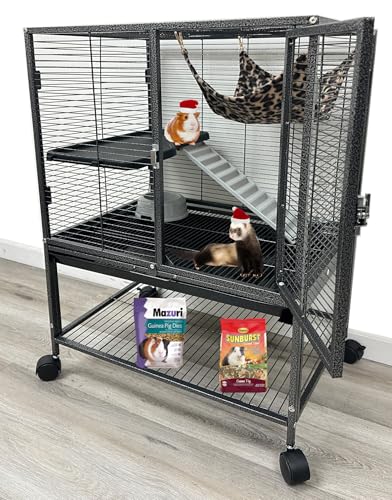
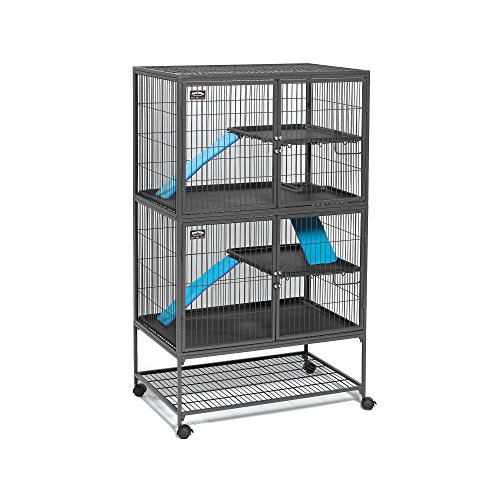
For most ferrets the best cage is a tall, multi-level unit with roughly half-inch bar spacing, solid shelves and secure door latches. The MidWest Ferret Nation and Critter Nation range leads our list for generous horizontal space, safe climbing and easy cleaning. The PawHut four-tier rolling cage is a strong value pick, while dedicated tight half-inch-bar cages suit determined escape artists. Whichever you choose, a cage is only part of the setup: ferrets still need several hours of supervised out-of-cage play every day.
Why cage design matters
Ferrets are long, muscular and endlessly curious, so poor cage design causes real problems. Wide bars let them squeeze out, wire mesh shelves and ramps can trap toes and cause foot injuries, and flimsy latches are no match for a ferret that treats doors as puzzles. Good design gives generous floor space plus safe vertical levels, solid platforms your ferret can run and sleep on, and a deep base pan that holds litter and bedding without spilling. It also leaves room for the hammocks and sleep sacks ferrets love, since they sleep many hours a day.
What to look for
Prioritise bar spacing of about half an inch or less, because ferrets slip through gaps under roughly one inch. Choose solid plastic or coated shelves and ramps rather than open wire to protect feet. Look for a deep, removable base pan, full-width doors for easy access, and strong locking latches. A wide, tall frame with two or more levels gives horizontal running room and safe climbing. The Large Two Full Story Deluxe Double Unit and the Deluxe Two Tiers cage both feature tight half-inch bars, while the HABUTWAY 50-inch rolling cage suits tighter rooms when paired with plenty of playtime.
How we chose
We compared widely sold ferret and small-animal cages on the specifications that matter most: usable floor space and height, bar spacing, shelf and ramp material, base-pan depth, door and latch security, and room for hammocks and a litter tray. We favoured designs with proven reputations among ferret keepers, such as the Ferret Nation and Critter Nation range, and flagged where a cage works best only when out-of-cage time is generous. We also weighed value, so the PawHut four-tier rolling cage earns its place for delivering real multi-level space and casters at a friendlier price. No cage was scored on brand alone; each pick had to combine safe bars, solid surfaces and enough room for hammocks, a litter tray and everyday movement.
What to avoid
Skip cages with bars wider than half an inch, bare wire floors and ramps, shallow pans that scatter litter, and simple slide latches a ferret can nose open. Avoid tall, narrow towers with little floor space, since ferrets need room to run, not just climb. Most of all, avoid treating any cage as a full-time home. Even the best ferret cage should be a secure base, not a substitute for daily supervised play, exploration and human interaction outside the bars.