Quick answer
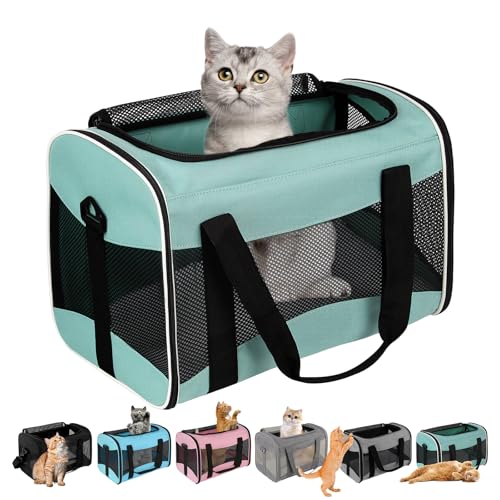
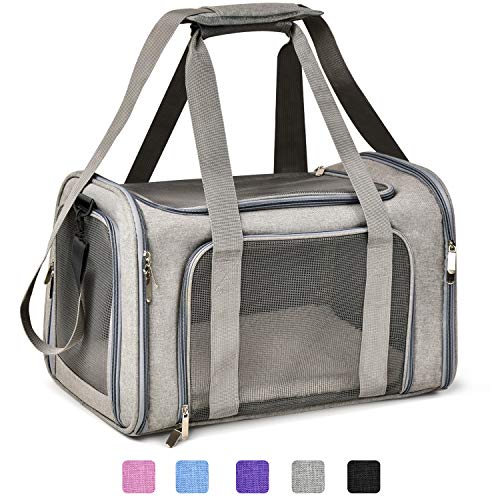
The best ferret carrier is a secure, well ventilated carrier with locking zippers or latches, soft bedding, and room to clip a small water bottle. Our top pick is the Henkelion soft-sided carrier for its airflow, cosy space, and value. Ferrets are curious escape artists that overheat fast, so a carrier is for transport to the vet or on trips, never long term housing. Choose one with no gaps, tight mesh, and a waterproof base you can wipe clean after every journey. Get the security and airflow right first, then worry about looks and price.
What a ferret carrier needs
Ferrets squeeze through tiny openings and can nudge weak zippers open, so escape proof security is the first rule. Look for locking zipper pulls or clips, small tight mesh, and no gaps where a curious ferret could push out or get a limb stuck. Ventilation matters just as much, because ferrets suffer heatstroke easily above roughly 80F or 27C, so mesh on several sides keeps air moving. For longer trips you want space for the ferret plus a small litter spot or bedding, a place to clip a water bottle or dish, and a soft hammock or blanket to burrow into. A waterproof, wipe clean base handles the odd accident.
What to look for
Prioritise strong zips with locks, generous mesh for airflow, and a size that lets the ferret turn and settle without sliding around. A soft-sided carrier is light, cosy and breathable, while a hard-sided carrier is sturdier and easier to sanitise, and both work well as long as they are truly secure. Add familiar smelling bedding to calm a nervous ferret, a clip for water, and a base you can wipe down. For car travel, choose a carrier you can route a seatbelt through so it stays put if you stop suddenly. If you travel with a bonded pair, size up so both ferrets can sit and settle without crowding, and double check the zips still meet flush with two ferrets inside.
How we chose
We focused on the features that matter for a small, agile mustelid: escape proof latches, real ventilation, comfort, and easy cleaning. We compared secure ventilated small pet and ferret carriers in both soft and hard styles, weighing zip strength, mesh coverage, interior room, and value. We favoured carriers owners found genuinely secure and airy, and flagged any with gaps, flimsy doors, or thin mesh a determined ferret could work loose.
What to avoid
Avoid carriers with large gaps, thin mesh a ferret can chew, or single zips with no lock, since a determined ferret will find the weak point. Never use a carrier as a long term cage, and never leave a ferret in a hot car or direct sun, because heatstroke is a top ferret killer. Skip carriers with poor airflow, no spot for water, or a base that cannot be wiped clean between trips. And do not size up so far that a solo ferret slides around loose, since a snug fit is safer than a roomy, rattling box.