๐Ÿ† Complete Buyer's Guide ยท Dog Care Products

Stop pulling: 5 front-clip harnesses compared for puppies

Front-clip harnesses redirect pulling without training. We researched the Rabbitgoo and 4 others to find the best no-pull harness for your puppy in 2026.

Some links below are affiliate links. If you buy through them we may earn a small commission at no extra cost to you. Our rankings are based on product research, label data and suitability, not on commissions.

Rabbitgoo No-Pull Dog Harness (Small) โ˜… Top Pick: Rabbitgoo No-Pull Dog Harness (Small) Check Price on Amazon →
4
Typical adjustment points to fit a growing puppy
2-finger
Recommended gap between harness and skin
Weekly
How often to recheck fit during growth spurts
Front-clip
Design that best helps redirect pulling
โšก Key takeaways
  • Best Overall: Rabbitgoo No-Pull Dog Harness (Small). This adjustable harness is our top puppy pick because it comes in small and extra-small, w.
  • Best for Small Breeds: Voyager Step-In Air Mesh Dog Harness (XS). For toy and tiny puppies under roughly 10 pounds, this lightweight step-in mesh harness is.
  • Best for Training: PetSafe Easy Walk Dog Harness (Small). The Easy Walk uses a front chest ring to gently steer a pulling puppy back toward you, mak.
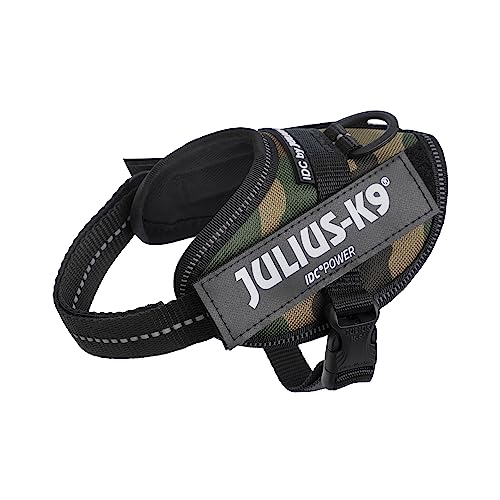
  • Best for Sturdy Puppies: Julius-K9 IDC Powerharness (Baby 2 / Mini). Built tough with strong stitching and a chest plate, the Baby and Mini sizes suit sturdier.
  • Best Budget: Chai's Choice Premium Front Range Dog Harness (XS). This dual-clip harness offers both front and back leash rings at a friendly price, giving.
At a Glance

Quick Comparison

Quick answer

For most puppies, our editorial team rates the Rabbitgoo No-Pull Dog Harness as the best all-round pick. It comes in extra-small and small sizes, has four adjustment points to grow with your dog, a front clip that helps redirect pulling, and a padded chest for comfort during short training walks. If your puppy is a tiny or toy breed under about 10 pounds, the Voyager Step-In Air Mesh Harness is gentler and easier to fit. For owners who want a structured training tool with a sturdy front ring, the PetSafe Easy Walk Harness is a strong runner-up, while the Julius-K9 IDC Powerharness (Baby and Mini sizes) suits sturdier puppy breeds and the Chai’s Choice Front Range Harness offers dual clips on a budget.

What to consider for Top 5 No Pull Dog Harnesss For Puppies

Puppies are a moving target. A harness that fits at 12 weeks may be outgrown within a month, so adjustability and the ability to size up later matter more than for an adult dog. Look for at least three to four adjustment points and a clear weight or girth chart, then measure rather than guess. Puppies also have soft developing joints and tracheas, so a chest-distributing harness is generally kinder than a collar for leash pressure during this stage.

No-pull harnesses for puppies are primarily a management and training aid, not a quick fix. A front clip gently turns your puppy back toward you when they lunge, which buys you time to reward calm walking. Pair it with short sessions and reward-based training, and consult a certified trainer if pulling or reactivity is severe. Finally, prioritize escape resistance: young dogs panic and back out of loose harnesses, so a snug two-finger fit and a secure chest strap are non-negotiable near roads.

What to look for in a gear item (harness, collar, leash or muzzle)

Correct fit and sizing: Measure your puppy’s chest girth and neck, then match the maker’s chart. Aim for a two-finger gap, and recheck the fit weekly as your puppy grows. Durable hardware and materials: Look for metal D-rings or reinforced buckles and double-stitched nylon webbing rather than thin plastic that can crack under sudden lunges. Safety features: Reflective stitching for low light, an escape-resistant chest strap, and a no-choke chest-distributing design protect a growing dog. Comfort and padding: Soft mesh or foam padding prevents chafing on short legs and barrel chests during early walks. No-pull design: A front leash ring redirects forward momentum, while a dual-clip harness lets you switch to a back clip once leash manners improve.

How we chose these picks

  • We focused on harnesses that genuinely come in puppy-appropriate small and extra-small sizes with room to adjust as the dog grows.
  • We compared published manufacturer specs, size charts, and material descriptions across each brand.
  • We weighted adjustability and escape resistance heavily because puppies change shape quickly and can back out of a loose fit.
  • We prioritized chest-distributing, no-choke designs that are gentler on developing joints and tracheas.
  • We read patterns in publicly available owner feedback to flag common fit and durability complaints.
  • We checked that hardware and stitching are described as reinforced enough for normal puppy pulling, while noting honest trade-offs.
  • We cross-referenced general guidance from groups like the AKC and ASPCA on humane equipment and leash training.
  • Never ranked a product higher just because it pays a commission.

What to avoid

  • Ill-fitting sizes: a harness that is too big invites escape and a too-small one chafes and restricts a growing puppy, so always measure and recheck.
  • Flimsy clips that fail on strong dogs: thin plastic buckles or single-stitched rings can give way when an excited puppy lunges toward another dog.
  • Aversive tools used without professional guidance: skip choke, prong, or shock devices on a puppy, and seek a certified trainer for persistent pulling or fear.
  • Retractable leashes near traffic: the loose, variable length gives you little control and can let a startled puppy dart into a road.

For more help choosing gear and raising a confident dog, browse our dog guides, our dog training and care resources, and our dog care products roundups.

Why this matters

Front-clip harnesses reduce pulling by redirecting a dog's forward momentum back toward the handler, but they manage the behavior rather than train it, so they work best paired with consistent reward-based leash practice.

The Options

Types Explained

Front-clip no-pull harness

A leash ring on the chest redirects forward momentum, gently turning a lunging puppy back toward the handler during training walks.

Best for: Puppies actively learning not to pull who need gentle redirection.

Dual-clip harness

Offers both front and back leash attachment points so you can redirect pulling early, then switch to a back clip once leash manners settle.

Best for: Owners who want one harness that adapts as the puppy matures.

Step-in mesh harness

A lightweight, breathable design the puppy steps into, distributing light pressure across the chest with minimal bulk.

Best for: Toy and tiny breed puppies that pull lightly and dislike overhead gear.

Heavy-duty padded harness

A sturdier build with a reinforced chest plate, strong stitching, and a side handle for added control.

Best for: Sturdier, larger-breed puppies that need durable, controllable gear.
The Rankings

Top 5 Picks

#1
Rabbitgoo No-Pull Dog Harness (Small)
Best Overall

Rabbitgoo No-Pull Dog Harness (Small)

View on Amazon

This adjustable harness is our top puppy pick because it comes in small and extra-small, with four straps that let it grow with your dog. The front clip helps redirect pulling on early walks, the padded chest adds comfort, and the top handle gives quick control near roads. The trade-off is that the buckles are plastic, so very strong, fast-growing puppies may outgrow the small size sooner than expected and need close fit checks.

#2
Voyager Step-In Air Mesh Dog Harness (XS)
Best for Small Breeds

Voyager Step-In Air Mesh Dog Harness (XS)

View on Amazon

For toy and tiny puppies under roughly 10 pounds, this lightweight step-in mesh harness is gentle and simple to put on, which helps fearful pups accept gear faster. The breathable mesh distributes pressure across the chest rather than the neck. The honest trade-off is that it is back-clip only, so it offers less pulling redirection than a front-clip design and is better suited to small dogs that pull lightly.

#3
PetSafe Easy Walk Dog Harness (Small)
Best for Training

PetSafe Easy Walk Dog Harness (Small)

View on Amazon

The Easy Walk uses a front chest ring to gently steer a pulling puppy back toward you, making it a useful structured training aid alongside reward-based sessions. The small size suits many medium-breed puppies once they have grown into it. The trade-off is the martingale chest strap can loosen or sit oddly if sizing is off, and it is front-clip only, so careful measuring and fit checks are important.

#4
Julius-K9 IDC Powerharness (Baby 2 / Mini)
Best for Sturdy Puppies

Julius-K9 IDC Powerharness (Baby 2 / Mini)

View on Amazon

Built tough with strong stitching and a chest plate, the Baby and Mini sizes suit sturdier puppy breeds that need durable gear. The wide chest strap distributes pressure well and the side handle aids control. The trade-off is that it is a back-clip harness, so it offers less direct no-pull redirection than a front-clip option, and the rigid build can feel bulky on slimmer, lighter puppies.

#5
Chai's Choice Premium Front Range Dog Harness (XS)
Best Budget

Chai's Choice Premium Front Range Dog Harness (XS)

View on Amazon

This dual-clip harness offers both front and back leash rings at a friendly price, giving you flexibility as your puppy's leash manners improve. It has padded mesh, reflective stitching for low light, and multiple adjustment points. The trade-off is that sizing can run small for barrel-chested pups, so measuring chest girth carefully is essential, and the padding, while comfortable, can hold moisture after wet walks.

Before You Buy

Key Buying Factors

01

Adjustability for growth

Puppies change shape fast, so choose a harness with three to four adjustment points and a clear path to size up. This avoids buying a new harness every few weeks and keeps the fit safe.

02

Escape resistance

Young dogs panic and back out of loose gear. A snug chest strap, a two-finger fit, and a secure buckle reduce the risk of a puppy slipping free near traffic or other dogs.

03

No-pull design

A front leash ring gently turns your puppy back toward you when they lunge, supporting reward-based training. Dual-clip options let you switch to a back clip as manners improve.

04

Comfort and padding

Soft mesh or foam padding prevents chafing on a puppy's barrel chest and short legs. A chest-distributing fit is gentler on developing joints than pressure on the neck.

05

Durable, safe hardware

Reinforced stitching and sturdy rings or buckles handle normal puppy pulling. Reflective trim adds visibility for early morning or evening walks during house-training routines.

Living With It

Care, Cost and Maintenance

Measure and recheck fit weekly

Measure your puppy's chest girth and neck against the maker's chart, aim for a two-finger gap, and recheck weekly during growth spurts to keep the fit snug and escape-resistant.

Introduce the harness slowly

Let your puppy sniff the harness, then pair short wearing sessions with treats and praise before walks. Keep first outings brief so the gear becomes a positive part of the routine.

Clean and inspect regularly

Hand wash or gently machine wash in a bag with mild soap, air dry fully, and inspect stitching, buckles, and rings for wear. Replace any harness with cracked clips or frayed webbing.

Pro tip

Recheck your puppy's harness fit at least once a week during growth spurts, aiming for a snug two-finger gap, since a fit that was perfect last week can loosen enough to let a startled puppy back out.

Frequently asked questions

How do I measure and size a no-pull harness for a puppy?
Use a soft tape measure to find your puppy's chest girth, the widest point just behind the front legs, and their neck circumference. Compare both numbers to the manufacturer's size chart rather than relying on weight alone, since puppies of the same weight vary in build. Aim for a snug fit with a two-finger gap between the harness and the skin. Because puppies grow quickly, choose a model with several adjustment points and recheck the fit weekly. If your puppy sits between two sizes, the smaller size with room to loosen is often the safer starting choice.
Do no-pull harnesses actually work on puppies?
No-pull harnesses, especially front-clip designs, can measurably reduce pulling by redirecting your puppy's forward momentum back toward you when they lunge. They are a management and training aid, not a permanent fix on their own. The harness gives you a window to reward calm walking, so pairing it with short, consistent, reward-based training sessions is what builds lasting leash manners. Results vary by temperament and age, and very young puppies have short attention spans. If pulling is severe or paired with fear or reactivity, our editorial team suggests working with a certified trainer for a tailored plan.
How do I keep my puppy from escaping the harness?
Escape usually comes down to a loose fit, so the single most important step is correct sizing with a snug two-finger gap and all straps adjusted. Choose a harness with a secure chest strap and reinforced buckles, since panicked puppies often back out of designs that gape at the shoulders. Recheck the fit weekly because growth loosens straps over time. Near traffic or other dogs, keep the leash short and stay attentive to body language. No harness is fully escape-proof for a determined puppy, so supervision and a properly fitted backup collar with ID can add a safety margin.
Is a harness or a collar better for a puppy that pulls?
For a puppy that pulls, a harness is generally the kinder choice because it distributes pressure across the chest rather than concentrating it on the developing neck and trachea. Collars are fine for holding ID tags and for dogs that already walk politely, but constant pulling against a collar can strain a young dog's neck. A front-clip no-pull harness adds gentle redirection that supports training. Many owners use both: a flat collar for identification and a harness for walks. If your puppy is brachycephalic or has any breathing concerns, a chest-distributing harness is especially worth prioritizing.
What materials and durability should I look for?
Look for double-stitched nylon or polyester webbing, which resists fraying under normal puppy pulling, paired with breathable mesh or foam padding to prevent chafing. Hardware matters: reinforced buckles and metal or sturdy reinforced rings hold up better than thin plastic that can crack during a sudden lunge. Reflective stitching is a useful safety extra for low-light walks. Keep in mind that puppies often outgrow a harness before they wear it out, so for the first harness you may reasonably balance durability against value, then invest in a tougher model once your dog reaches a more stable adult size.
How do I wash a puppy harness?
Most fabric and mesh harnesses can be hand washed in lukewarm water with a mild, pet-safe soap, which is gentle on padding and stitching. If the manufacturer allows machine washing, place the harness in a mesh laundry bag on a delicate cycle to protect the buckles and rings, and skip harsh detergents or bleach. Always air dry fully away from direct heat, since heat can weaken webbing and warp plastic clips. After washing, inspect the stitching, straps, and hardware for any wear before the next walk. Regular cleaning helps prevent odor and skin irritation on your puppy.
Do small and large breed puppies need different harnesses?
Yes, fit needs differ. Small and toy breed puppies often do best with lightweight step-in or low-bulk mesh harnesses in extra-small sizes that do not overwhelm their frame. Larger, sturdier breed puppies benefit from a more structured harness with wider straps and stronger hardware to handle their growing strength. In both cases, measure chest girth and match the maker's chart rather than guessing by breed. Because growth rates vary widely, large-breed puppies in particular may move through several sizes quickly, so prioritize adjustability and plan to reassess fit often as they grow.
Are there safety concerns with no-pull harnesses on puppies?
A few. A poorly fitted harness can chafe, restrict movement, or let a puppy escape, so correct sizing and weekly fit checks are essential. Avoid leaving a harness on a young puppy all day, since constant wear can cause matting and skin irritation; remove it between walks. Steer clear of aversive add-ons like prong or shock devices on a puppy. If you notice rubbing, sores, limping, or breathing difficulty, stop use and consult your veterinarian. For persistent pulling, fear, or reactivity, a certified trainer can help you address the behavior safely rather than relying on equipment alone.
When can a puppy start wearing a no-pull harness?
Many puppies can begin wearing a properly sized harness as soon as they come home, often around eight weeks, provided a small or extra-small size fits with a snug two-finger gap. Start with brief, positive sessions indoors, pairing the harness with treats so your puppy accepts it calmly before you head outside. Keep early walks short to match a young dog's stamina and attention span. Because puppies grow fast, expect to adjust or upsize frequently. If you are unsure whether your puppy is ready or which size suits their stage, your veterinarian or a certified trainer can offer guidance.
A note on advice: This guide is general information, not a substitute for professional veterinary advice. Talk to your vet before changing your dog's diet or care routine, especially if your dog has allergies, kidney disease, pancreatitis, obesity, heart disease or any other medical condition.
Transparency

How we made this guide

How we chose. We compared the options on the factors that matter most for Dog Care Products, using manufacturer specifications, aggregated verified owner reviews and editorial comparison. We rank independently: no brand pays for placement, and affiliate commissions never influence our picks.

How it was written. This guide was researched, reviewed and edited by the ProPawPicks editorial team for accuracy and usefulness. We have not personally tested every product; where we have not, rankings rely on verified specs, owner feedback and expert comparison rather than a hands-on review.

Affiliate disclosure. ProPawPicks is reader-supported. If you buy through links on our site, we may earn a commission at no extra cost to you. See our affiliate disclosure.

Keep Reading

More Dog Care Products guides

Stop Wasting Treats: 5 Best Interactive Dog Cameras 2026View picks โ†’Interactive Dog Toys, ComparedView picks โ†’Picking Invisible Dog Fence for AllergiesView picks โ†’Invisible Dog Fence for Large Dogs: 5 Best Picks (2026)View picks โ†’2026 Puppy Fence Guide: 5 Top Invisible Dog Fences ReviewedView picks โ†’Invisible Dog Fence for Sensitive Stomachs: 2026 Top Pick ReviewedView picks โ†’

Sources and further reading

Some links below are affiliate links. If you buy through them we may earn a small commission at no extra cost to you. Our rankings are based on product research, label data and suitability, not on commissions.