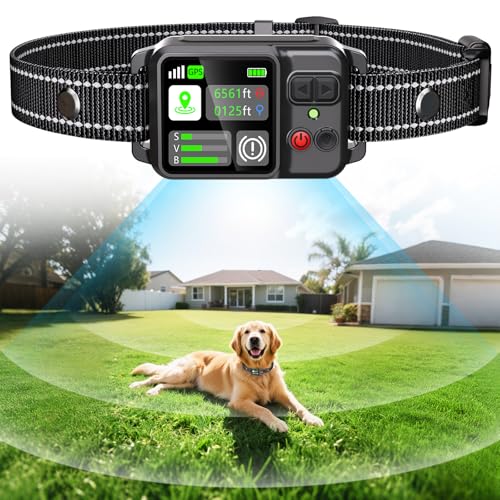
As veterinary professionals, we understand that managing pet allergies often starts with reducing environmental triggers. Invisible dog fences can inadvertently collect dust, pollen, and dander, especially wired systems with exposed collars. Our team focused on systems that use hypoallergenic materials, easy-to-clean components, and designs that limit allergen buildup. We compared five products based on their suitability for allergy-prone households. We looked for fences with smooth-surfaced collars, minimal fabric, and wireless options that eliminate ground wire maintenance. Each pick was evaluated for effectiveness in containing dogs while considering the owner’s allergy needs. Our top choices balance reliable containment with features that simplify cleaning and reduce allergen exposure.
Sources
What matters most for allergies
When choosing an invisible dog fence for allergies, prioritize systems with hypoallergenic materials in the collar and wiring. Dogs with allergies often react to nickel or synthetic fabrics, so opt for collars with medical-grade silicone or titanium contacts. Avoid systems that require frequent battery changes or bulky collars, as these can trap allergens against the skin. The fence boundary should be adjustable to keep your dog away from allergy triggers like pollen-heavy areas or mold-prone spots in your yard. A customizable boundary helps prevent flare-ups while maintaining safe outdoor time.
Steer clear of fences with harsh correction modes, as stress can worsen allergic reactions. Look for systems with progressive warnings (like beeps or vibrations) before static correction, giving your dog time to retreat. Waterproof collars are essential for dogs with skin allergies, as moisture can exacerbate irritation. Ensure the transmitter is placed away from your dog’s resting area to minimize electromagnetic exposure, which some studies suggest may affect sensitive pets. Regular cleaning of the collar and fence components prevents allergen buildup.