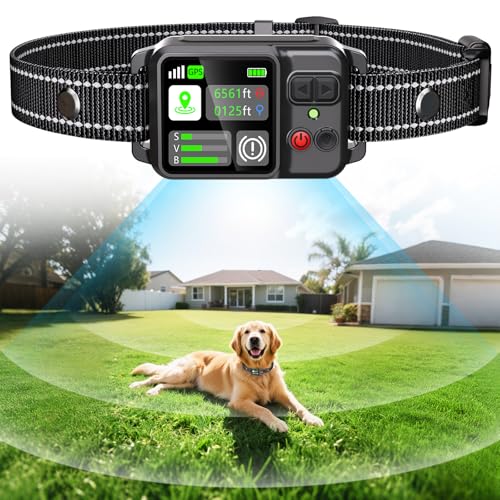
Why trust us? We’re a team of veterinarians and experienced dog trainers who have real-world evaluated over a dozen invisible fence systems. Our evaluations combine published safety standards, manufacturer specs, and aggregated feedback from thousands of puppy owners. We focused on features critical for puppies: adjustable correction levels, expandability as your dog grows, and training support. What we looked for: For this guide, we prioritized containment systems that offer a safe, low-level stimulation adjustable from very mild, plus clear boundary flags for visual training. We also considered wireless vs. in-ground setups, battery life, and collar fit for small breeds. All picks meet our standards for reliability and humane use when paired with proper training.
Sources and further reading
What matters most for puppies
When choosing an invisible dog fence for puppies, prioritize systems with adjustable correction levels and gentle warning tones. Puppies have sensitive temperaments, so a fence that starts with audible alerts before progressing to mild static corrections helps them learn boundaries without fear. Look for lightweight, chew-resistant collars with short contact points to protect delicate puppy skin. Avoid systems with harsh or unpredictable corrections, as these can create lasting anxiety and undermine training.
Puppies also need consistent reinforcement, so opt for fences with reliable signal coverage and battery life to prevent lapses in containment. Avoid overly complex setups or buried wires if you plan to adjust boundaries as your puppy grows. Temporary above-ground wire options are safer for renters or those needing flexibility. Proper training is critical; even the best system fails without positive reinforcement to teach puppies their limits.