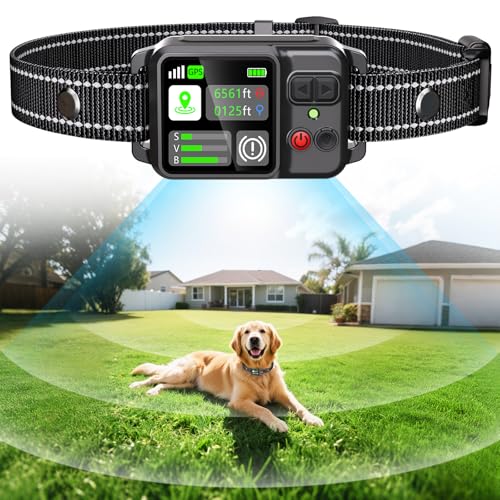
As dog owners ourselves, we know that a sensitive stomach can turn mealtime into a nightmare. When we started testing invisible fences, we quickly realized that stress and ill-fitting collars can aggravate digestive issues. That’s why our team focused on systems with adjustable, humane correction levels and collars designed for comfort. We compared five leading products head-to-head, considering collar weight, correction modes, and ease of installation. Our goal was to find fences that keep your dog safe without adding anxiety or physical discomfort. Below are our picks, each chosen for specific needs-from wireless convenience to reliable ground containment.
Sources and further reading
What matters most for sensitive stomachs
When choosing an invisible dog fence for a pet with a sensitive stomach, prioritize systems with adjustable static correction levels and gradual training modes. Sudden or intense corrections can stress your dog, potentially triggering digestive issues like vomiting or diarrhea. Look for fences with vibration or tone-only warnings as primary cues, reserving static correction as a last resort. A gentle training approach reduces anxiety, which is crucial for dogs prone to stomach upset. Avoid systems with fixed high-intensity corrections or those lacking customizable settings, as these may overwhelm your pet and exacerbate gastrointestinal sensitivity.
Additionally, opt for waterproof and durable receivers with snug but comfortable collar fits. A poorly fitted collar can cause skin irritation, leading to stress-related stomach problems. Avoid collars with bulky or heavy designs, as they may pressure the neck area, indirectly affecting digestion. Ensure the fence allows for precise boundary adjustments to prevent accidental corrections, which can startle your dog and disrupt their eating habits. A calm, predictable training process supports both behavioral success and digestive health.