Quick answer
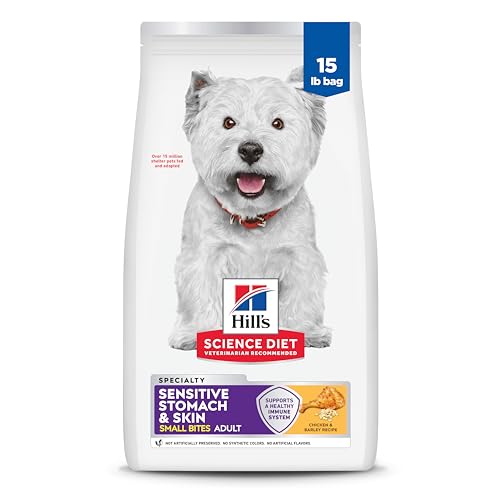
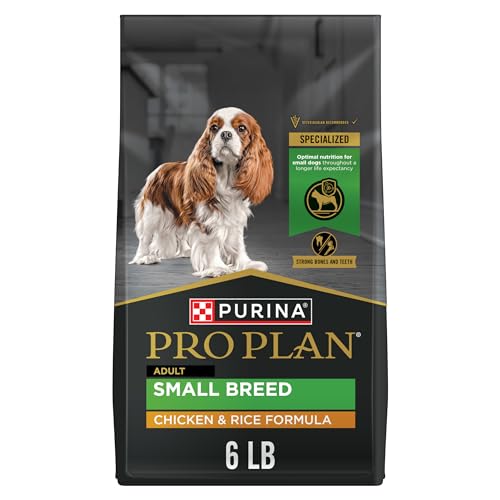
For most healthy adult Cavalier King Charles Spaniels, our top pick is Royal Canin Cavalier King Charles Spaniel Adult Dry Dog Food, a breed-specific small-breed kibble with a kibble shape designed for short muzzles and calorie levels suited to a relatively low-energy companion dog. If your Cavalier has a sensitive stomach, Hill’s Science Diet Small Paws Sensitive Stomach and Skin is a stronger fit. On a tighter budget, Diamond Naturals Small Breed Adult delivers a named meat first at a lower cost per pound. For puppies, choose Royal Canin Small Puppy, and if you prefer a clearly grain-inclusive recipe, Purina Pro Plan Small Breed Adult Chicken and Rice fits well. Always confirm any diet choice with your veterinarian, especially given this breed’s heart and weight considerations.
What to consider for Dog Food For Cavalier King Charles Spaniel
The Cavalier King Charles Spaniel is a toy to small breed, typically around 13 to 18 pounds, and it is prone to a few breed-associated health patterns that make diet choice matter more than for an average dog. The breed has a well-documented predisposition to mitral valve disease, a heart condition, so weight management and not overfeeding are important because excess weight adds strain. They are food-motivated and gain weight easily, so calorie control and measured portions matter a great deal.
This breed also has a slightly shortened muzzle compared with longer-nosed dogs, so a smaller kibble or a shape designed for small jaws can be easier to pick up and chew. Dental crowding is common in small breeds, so a recipe that supports daily intake without large, hard-to-manage pieces helps. Some Cavaliers have sensitive stomachs or skin, and many owners value omega-3 fatty acids for coat and general wellness. None of these are reasons to chase a medical diet on your own. If your dog has a diagnosed heart, kidney, or other condition, your veterinarian should guide the specific food, and any prescription diet should come from them.
What to look for in a dog food
Start with the label. Look for an AAFCO complete and balanced statement for the correct life stage, either “adult maintenance” for grown dogs or “growth” for puppies. A statement that the food meets AAFCO nutrient profiles, or passed AAFCO feeding trials, tells you it is formulated as a primary diet rather than a treat or topper.
Prefer a named meat as the first ingredient, such as chicken, lamb, salmon, or a named meat meal like “chicken meal,” rather than a vague “meat” or “animal” source. For a typical adult Cavalier, practical and general ranges are roughly 22 to 30 percent protein and about 12 to 18 percent fat on a dry-matter or as-fed basis, with calories often around 300 to 400 per cup, though these are starting points and not medical rules. Because this breed gains weight easily, a moderate calorie density and clear feeding chart help you portion accurately.
Choose small-breed formulas where possible, since they use smaller kibble and are calorie-balanced for little dogs. Joint and omega support from sources like fish oil, EPA and DHA, glucosamine, or chondroitin can be a reasonable bonus for coat and joint comfort, though they are supportive rather than curative. For any specific health concern, ask your veterinarian before relying on a food or supplement.
How we chose these picks
- Confirmed each product is currently sold and widely available from major retailers including Amazon.
- Prioritized recipes carrying an AAFCO complete and balanced statement for the correct life stage.
- Favored formulas with a named meat or named meat meal as the first ingredient.
- Matched size and life stage to the breed, leaning toward small-breed and toy-appropriate kibble.
- Considered calorie density and portion guidance because this breed gains weight easily.
- Weighed brand track record, manufacturer nutritional expertise, and recall history from publicly available sources.
- Compared using published product information and established feeding guidance, not personal or veterinary testing.
- Never ranked a product higher just because it pays a commission.
What to avoid
- Recipes that list only an unnamed “meat meal” or generic “animal protein” as the protein source, with no named species.
- Defaulting to grain-free or legume-heavy recipes without a reason. The FDA investigation into a potential link between certain diets and canine dilated cardiomyopathy is ongoing, and grain-inclusive recipes are the safer default unless your veterinarian advises otherwise, which matters more in a breed already predisposed to heart disease.
- Feeding an all-life-stages or large-breed formula to a small or toy puppy, and never feed large-breed puppy food to this breed since the nutrient balance is wrong for its size.
- Abrupt diet switches. Transition over about 7 to 10 days, mixing increasing amounts of the new food, to reduce digestive upset.
For more breed and feeding help, browse our dog guides, our dog food reviews, and our dog nutrition articles.