Quick answer
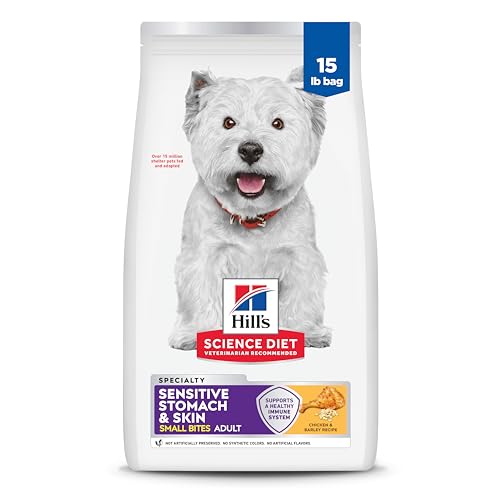
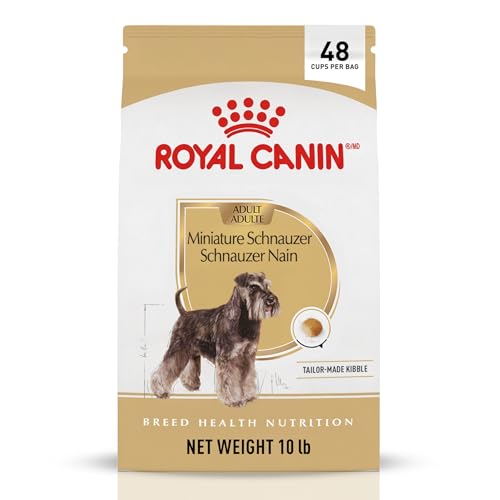
For most adult Miniature Schnauzers, our editorial team rates Royal Canin Miniature Schnauzer Adult Dry Dog Food as the top overall pick because it is a small breed, complete and balanced recipe with a controlled fat profile and small kibble size that suits this breed’s tendency toward elevated blood fats. If your dog has a sensitive stomach, Hill’s Science Diet Small Paws Sensitive Stomach and Skin fits better. On a tight budget, Diamond Naturals Small Breed Adult is a sensible grain inclusive value, while Purina Pro Plan Small Breed Puppy suits growing Schnauzer puppies and Wellness Complete Health Small Breed is a strong grain inclusive everyday option. Always ask your veterinarian before changing diets, especially if your dog has a history of pancreatitis or high triglycerides.
What to consider for Dog Food For Mini Schnauzer
The Miniature Schnauzer is a compact, energetic small breed that typically weighs about 11 to 20 pounds. Two health patterns are commonly discussed for this breed and are worth raising with your veterinarian. First, Schnauzers are over represented in cases of hyperlipidemia, meaning elevated fats in the blood, which can raise the risk of pancreatitis. Many owners and vets favor a moderate to lower fat diet for this reason, though the right fat level depends on the individual dog. Second, this breed can be prone to calcium oxalate and struvite bladder stones, so hydration and, where a vet diagnoses a stone, a prescription therapeutic diet may be needed. Their small mouths also mean kibble size and dental friendliness matter, and like many small breeds they can be picky eaters. None of this is a substitute for veterinary advice; if your dog has any diagnosed condition, your vet should guide the diet.
What to look for in a dog food
Look for an AAFCO complete and balanced statement matched to the right life stage, either “adult maintenance” for grown dogs or “growth” for puppies, rather than vague marketing wording. Check that a named meat, such as chicken, lamb, or salmon, appears as the first ingredient rather than an unnamed “meat meal.” For an active adult Miniature Schnauzer, a protein level around 25 to 30 percent and a fat level in the roughly 10 to 16 percent range on the guaranteed analysis are common starting points, with many owners of Schnauzers prone to high triglycerides choosing the lower end on veterinary advice. Calorie density typically falls near 350 to 450 kcal per cup, so portion to your dog’s weight and body condition. Choose a small breed formula for appropriately sized kibble. Omega 3 fatty acids from fish oil or flaxseed can support skin and coat, and named glucosamine sources may help as dogs age. These are general guidelines, not medical rules, so confirm specifics with your veterinarian.
How we chose these picks
- Compared only products that are real and currently sold by major brands using publicly available product information.
- Required an AAFCO complete and balanced statement for the relevant life stage.
- Prioritized recipes with a named animal protein as the first ingredient.
- Favored small breed formulas with appropriate kibble size for a Schnauzer’s mouth.
- Looked at fat and calorie levels with this breed’s tendency toward high blood fats in mind.
- Checked each brand against publicly listed FDA recall information at the time of writing.
- Weighed honest trade offs such as price, palatability, and ingredient sourcing rather than marketing claims.
- Never ranked a product higher just because it pays a commission.
What to avoid
- Foods that list only an unnamed “meat meal” as the protein source, with no named animal.
- Defaulting to grain free or legume heavy recipes; the FDA investigation into a potential link between certain diets and canine dilated cardiomyopathy is ongoing, and a grain inclusive food is the safer default unless your veterinarian advises otherwise.
- Feeding an all life stages food to a large breed puppy, because the calcium and energy balance is not tailored to controlled growth.
- Switching diets abruptly; transition over 7 to 10 days to reduce the chance of digestive upset, which matters more for a breed prone to pancreatitis.
For more breed and feeding help, see our dog guides, our dog food reviews, and our dog nutrition articles.