Quick answer
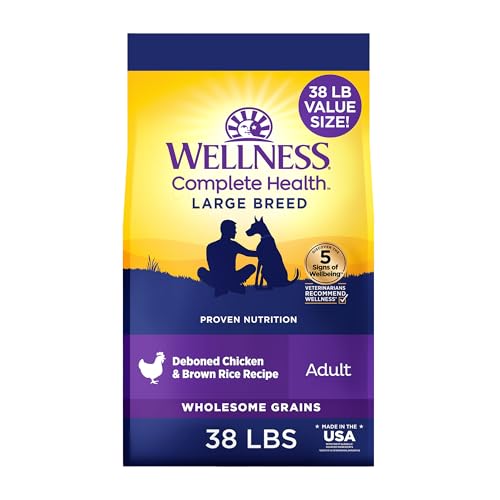
For most adult Standard Poodles our top pick is Purina Pro Plan Adult Large Breed Chicken and Rice Formula, because it lists chicken as the first ingredient, carries an AAFCO complete and balanced statement for adult maintenance, and is portioned for larger, active dogs with built in glucosamine support. If your Poodle has a touchy gut, Hill’s Science Diet Adult Sensitive Stomach and Skin is a gentler runner up. On a tighter budget, Diamond Naturals Large Breed Adult covers the basics well, while puppies and seniors are better matched to the life stage specific picks below.
What to consider for Dog Food For Standard Poodle
Standard Poodles are a large, deep chested, athletic breed that typically weighs 40 to 70 pounds. Two practical realities shape food choice. First, deep chested breeds may carry a higher risk of gastric dilatation volvulus, often called bloat, so steady portioning, slower eating, and avoiding one huge daily meal can matter more than the brand on the bag. Second, Poodles stay active and can develop joint and hip wear over time, so sensible calorie control to keep them lean plus omega and joint nutrients are reasonable priorities. Poodles can also have sensitive skin and coat, so a food that supports skin and coat is a fair consideration. None of this replaces veterinary advice for a specific dog.
What to look for in a dog food
Look for an AAFCO complete and balanced statement matched to the correct life stage, meaning adult maintenance for grown Poodles and large breed growth for puppies. A named meat as the first ingredient, such as chicken, lamb, or salmon, is preferable to a vague unnamed meat. As a practical guide, many adult large breed maintenance foods land near 22 to 30 percent protein and 12 to 16 percent fat on a dry matter basis, with calorie density that lets you keep your dog lean, though your veterinarian can advise the right targets for your individual dog. Choose large breed suitability for adults and large breed growth formulas for puppies to support controlled bone development. Joint or omega support, such as added glucosamine, chondroitin, or omega 3 fatty acids, is a sensible plus for an active breed, but treat it as support rather than a cure.
How we chose these picks
- We compared only foods that publish an AAFCO complete and balanced statement for a clear life stage.
- We favored recipes that name a specific meat as the first ingredient over generic meat meals.
- We matched each pick to Standard Poodle size, prioritizing large breed adult or large breed growth formulas.
- We checked that protein, fat, and calorie levels were sensible for an active large breed rather than extreme in either direction.
- We noted joint and omega support where the manufacturer lists it, without treating it as a medical claim.
- We read publicly available product information and established guidance from sources like AAFCO and the FDA, not personal testing.
- We included at least one honest trade off or con for every pick so readers see the full picture.
- Never ranked a product higher just because it pays a commission.
What to avoid
- Foods that list only an unnamed generic meat meal as the protein source, with no named animal, since you cannot tell what is actually in the bag.
- Defaulting to grain free or legume heavy recipes without a reason. The FDA investigation into a potential link between certain diets and canine dilated cardiomyopathy is ongoing, and grain inclusive recipes are the safer default unless your veterinarian advises otherwise.
- Feeding an all life stages or adult formula to a large breed puppy, since large breed puppies need controlled calcium and growth, so use a large breed growth or all life stages food validated for large size growth.
- Abrupt diet switches, which can upset a sensitive Poodle stomach. Transition over about 7 to 10 days by gradually mixing the new food in.
For more breed and feeding help, browse our dog guides, our dog food roundups, and our dog nutrition articles.