Quick answer
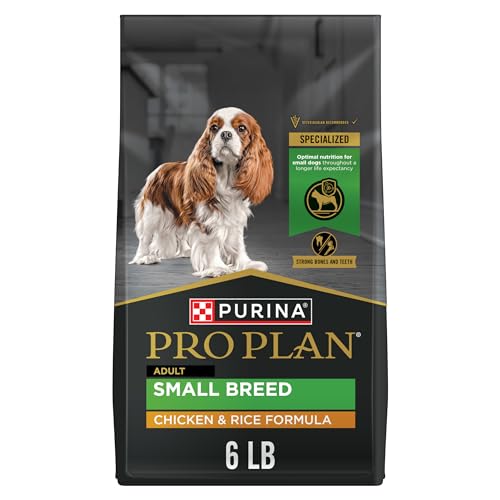
For most adult Pomskies, our editorial team leans toward Purina Pro Plan Adult Small Breed Chicken and Rice Formula as the top all around pick. It lists a named meat (chicken) first, carries an AAFCO complete and balanced statement for adult maintenance, and uses a smaller kibble that suits a Pomsky sized mouth while supporting an active dog. If your Pomsky has a sensitive stomach, Hill’s Science Diet Adult Sensitive Stomach and Skin Small and Mini fits better. On a tighter budget, Diamond Naturals Small Breed Adult Chicken and Rice delivers a named meat first at a lower cost per pound. For puppies, choose Royal Canin Small Puppy Dry Dog Food, and if you want a straightforward grain inclusive everyday option, Wellness Complete Health Small Breed Adult is a sensible choice. Always confirm the life stage on the bag matches your dog, and consult your veterinarian before changing diets for any medical condition.
What to consider for Dog Food For Pomsky
A Pomsky is a designer cross between a Pomeranian and a Siberian Husky, so adult weight and frame can vary widely, often roughly 15 to 30 pounds depending on the parents. That variability matters: a smaller, Pomeranian leaning Pomsky usually does best on a small breed formula with smaller kibble, while a larger, Husky leaning dog may handle a standard adult formula. Pomskies tend to be energetic and playful, so calorie needs can run higher than a couch potion small dog, but they also gain weight easily if overfed, which makes portion control important.
Small jaws and the risk of dental crowding mean kibble size and shape matter for comfortable chewing. Some Pomskies inherit the Pomeranian tendency toward a thick double coat and occasional skin sensitivity, so foods with named omega fatty acid sources can support skin and coat, though they are not a treatment for any skin disease. Because the breed is not standardized, there is no single perfect formula. Match the food to your specific dog’s adult size, age and activity, and talk to your veterinarian if your Pomsky has allergies, a sensitive gut, or a diagnosed condition.
What to look for in a dog food
Start with the AAFCO complete and balanced statement on the bag and make sure it matches your dog’s life stage, either growth for a puppy or adult maintenance for a grown Pomsky. Look for a named meat as the first ingredient, such as chicken, lamb, salmon or beef, rather than a vague “meat” or an unnamed “meat meal” standing alone. For an active adult small dog, a protein level often in the range of about 25 to 30 percent and a fat level around 12 to 18 percent on a dry matter basis is a sensible starting point, though your veterinarian can tailor this to your dog.
Because Pomskies are small to medium, a small breed formula with appropriately sized kibble is usually the better fit, especially for the Pomeranian leaning end. Pay attention to calorie density, often around 350 to 450 kcal per cup, so you can portion accurately for a dog that gains weight easily. Omega 3 and omega 6 fatty acids, ideally from named sources like fish oil or flaxseed, can support skin and coat, and joint support ingredients can be a reasonable extra for an active dog, though none of these replace veterinary care. These are general buying guidelines, not medical rules.
How we chose these picks
- We prioritized foods carrying an AAFCO complete and balanced statement for a clearly stated life stage.
- We required a named meat as the first ingredient rather than an unnamed protein source.
- We favored small breed formulas with appropriately sized kibble suited to a Pomsky sized mouth.
- We compared protein, fat and calorie levels against the needs of an active small to medium dog.
- We checked for named omega fatty acid sources that can support skin and coat for double coated dogs.
- We reviewed publicly available product information, manufacturer specifications, and brand recall history.
- We included options across price tiers and life stages so owners can match their specific dog.
- Never ranked a product higher just because it pays a commission.
What to avoid
- Foods that list only an unnamed “meat meal” as the protein, with no named animal source you can identify.
- Defaulting to grain free or legume heavy recipes without a reason. The FDA investigation into a potential link between certain diets and canine dilated cardiomyopathy is ongoing, and grain inclusive food is the safer default unless your veterinarian advises otherwise.
- Feeding an all life stages or large breed formula to a small dog without checking it suits your Pomsky’s size and calorie needs, and never feed all life stages food to a large breed puppy.
- Abrupt diet switches. Transition over about 7 to 10 days by gradually mixing in the new food to reduce the chance of stomach upset.
For more on feeding and care, browse our dog guides, our dog food roundups, and our dog nutrition articles to match a diet to your Pomsky.


