Quick answer
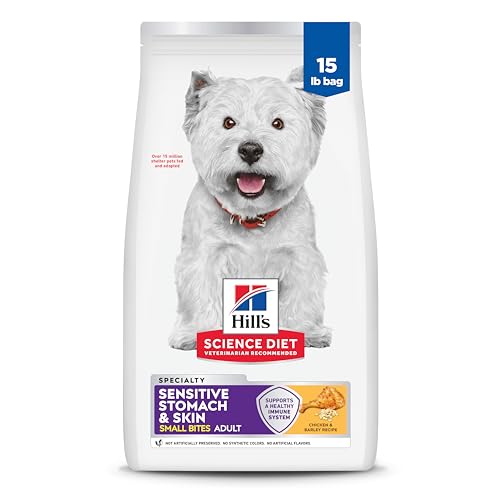
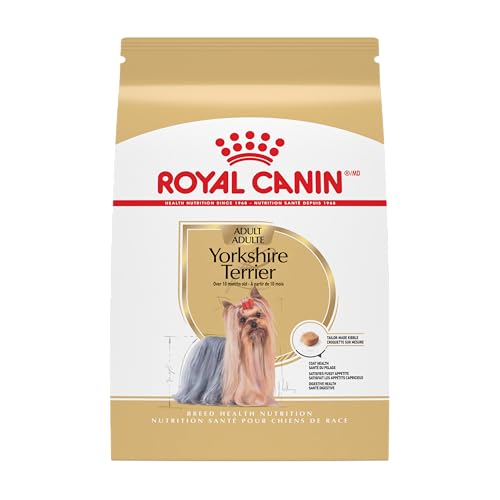
For most teacup Yorkies, our top overall pick is Royal Canin Yorkshire Terrier Adult Dry Dog Food, because it uses a tiny kibble shaped for small jaws, offers a calorie-dense formula that suits a fast metabolism, and carries an AAFCO complete and balanced statement for the right life stage. If your dog has a touchy digestive system, Hill’s Science Diet Small Paws Sensitive Stomach and Skin may fit better. For puppies under roughly a year, choose Royal Canin X-Small Puppy, and if you want a value option, Diamond Naturals Small Breed Adult Chicken and Rice is worth a look. Always confirm any new diet with your veterinarian first.
What to consider for Dog Food For Teacup Yorkie
A teacup Yorkie is an unofficial, very small version of the Yorkshire Terrier, often weighing 2 to 4 pounds as an adult. Their tiny size drives most feeding decisions. Toy dogs this small are more prone to hypoglycemia (low blood sugar), especially as young puppies, so frequent small meals and a calorie-dense food matter more than for a larger dog. We are describing general patterns, not diagnosing your dog, so speak with your veterinarian if you see weakness, wobbliness, or collapse.
Kibble size is a practical concern. A tiny mouth and small teeth handle extra-small kibble far better than standard pieces, and the right size can also encourage chewing. Dental disease is common in toy breeds, so kibble shape and a vet-guided dental routine both help. Yorkies can also be picky eaters with sensitive stomachs, so palatability and digestibility are worth weighing. Because portions are so small, accurate measuring and fresh storage prevent both overfeeding and waste.
What to look for in a dog food
Start with the AAFCO complete and balanced statement for the correct life stage, either “adult maintenance” or “growth” for puppies, or “all life stages” if you accept that it is formulated to puppy minimums. Look for a named meat as the first ingredient, such as chicken, lamb, or salmon, rather than a vague “meat” or “meat meal” alone. For an active toy adult, protein in roughly the 25 to 30 percent range and fat around 14 to 18 percent on a dry-matter basis are common and sensible, though your dog’s needs vary, so treat these as general ranges and not medical rules.
Calorie density matters for such a small stomach, so a food that delivers enough energy in a tiny serving helps prevent low blood sugar. Choose small or toy breed formulas where possible, since they balance kibble size and calories for little dogs rather than large breeds. Omega-3 and omega-6 fatty acids can support skin and the famous Yorkie coat, and added support for joints or dental health is a reasonable bonus. For any specific health condition, ask your veterinarian which formula is appropriate.
How we chose these picks
- Compared only foods that carry an AAFCO complete and balanced statement for a clearly stated life stage.
- Prioritized small breed or toy breed formulas with extra-small kibble suited to tiny mouths.
- Favored recipes that name a specific meat as the first ingredient over vague protein terms.
- Reviewed guaranteed analysis and typical calorie density using publicly available manufacturer information.
- Checked each brand against the FDA animal food recall list and general reputation for quality control.
- Weighed digestibility and palatability, since teacup Yorkies are often picky and prone to sensitive stomachs.
- Considered value per feeding, since toy dogs eat little and a bag lasts a long time.
- Never ranked a product higher just because it pays a commission.
What to avoid
- Foods that list only an unnamed “meat meal” as the protein source, with no specific animal named.
- Defaulting to grain-free or legume-heavy recipes without a reason. The FDA investigation into a potential link between certain diets and canine dilated cardiomyopathy is ongoing, and grain-inclusive is the safer default unless your veterinarian advises otherwise.
- Feeding an “all life stages” food to a large-breed puppy, which has different calcium and growth needs. This is less relevant for a teacup Yorkie but matters if you have other dogs.
- Abrupt diet switches. Transition gradually over 7 to 10 days to reduce the risk of stomach upset.
For more help choosing, browse our dog guides, our dog food reviews, and our dog nutrition articles.