Quick answer
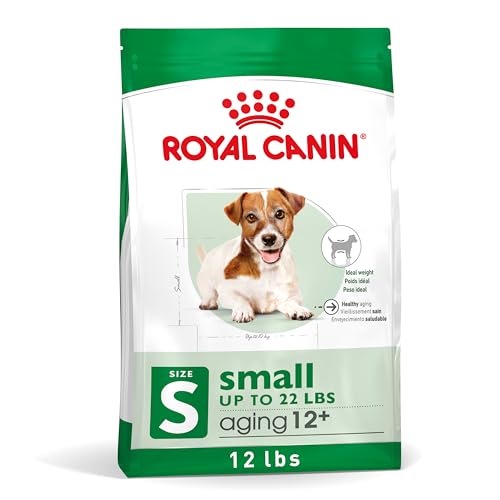
For most senior Miniature Schnauzers, our editorial team leans toward Hill’s Science Diet Adult 7+ Small Paws Chicken Meal, Barley and Brown Rice as the best overall starting point. It carries an AAFCO complete and balanced statement for adult maintenance, uses chicken meal as a named primary protein, keeps fat at a moderate level, and comes in a small kibble that suits a small senior mouth. If your dog has a sensitive stomach, Purina Pro Plan Senior 7+ Small Breed or Royal Canin Small Aging 12+ may fit better. On a tighter budget, Diamond Naturals Small Breed Senior is a sensible grain-inclusive option, and Wellness Complete Health Senior suits owners who want a well rounded everyday recipe. Every dog is different, so confirm the right choice with your veterinarian, especially if your Schnauzer has a history of pancreatitis or high triglycerides.
What to consider for Senior Dog Food For Mini Schnauzer
Miniature Schnauzers carry some breed-linked tendencies that matter even more as they age. They are one of the breeds most associated with hyperlipidemia, meaning elevated fat in the blood, which is in turn linked to a higher risk of pancreatitis. Because of this, many owners and veterinarians prefer a senior food that is moderate rather than high in fat. This is general information and not a diagnosis, so ask your veterinarian to check your individual dog before changing the diet.
Seniors also slow down, so calories matter. A less active older Schnauzer can gain weight easily, and excess weight adds stress to joints and can worsen other conditions. Look at the calories per cup, not just the protein number. Dental disease is common in small breeds, so a small, easy to chew kibble or a softened or wet option can help an older dog keep eating comfortably. Some Schnauzers are also prone to forming certain bladder stones, so if yours has any urinary history, your veterinarian may want a specific therapeutic diet rather than an over the counter food.
What to look for in a dog food
Start with the label. A food meant to be your dog’s main diet should carry an AAFCO complete and balanced statement for the correct life stage, here adult maintenance or all life stages, ideally noting it was confirmed through feeding trials. Look for a named meat such as chicken, lamb, or salmon, or a named meat meal, as the first ingredient rather than a vague description.
For a typical senior small breed, many everyday foods land around 18 to 28 percent protein and roughly 10 to 16 percent fat on a dry matter basis, with calorie density often near 350 to 400 calories per cup. For a Schnauzer prone to high blood fats, the lower end of the fat range is often preferred, but these are practical ranges and not medical rules, so your veterinarian’s guidance for your dog comes first. Because Miniature Schnauzers are a small breed, choose a small breed or small kibble formula rather than a large breed food. Omega 3 fatty acids and added glucosamine or chondroitin can support aging joints and skin, though they are supportive rather than curative. If your dog has a diagnosed condition, ask your veterinarian whether a prescription diet is more appropriate.
How we chose these picks
- We prioritized foods that carry a clear AAFCO complete and balanced statement for an adult or senior life stage.
- We favored recipes built on a named meat or named meat meal as the first ingredient.
- We looked for small breed or small kibble formats suited to a senior Schnauzer’s mouth and chewing.
- We preferred moderate, controlled fat and calorie levels given the breed’s tendency toward high blood fats and weight gain.
- We checked public product information and the FDA recall and advisory listings for current concerns at the time of writing.
- We valued brands that employ qualified nutrition staff and run feeding trials where that information is publicly stated.
- We considered honest trade-offs such as price, palatability, and ingredient transparency rather than marketing claims.
- Never ranked a product higher just because it pays a commission.
What to avoid
- An unnamed meat meal as the only protein source, since you cannot tell what animal it came from or judge its quality.
- Defaulting to grain-free or legume-heavy recipes without a reason. The FDA investigation into a possible link between certain diets and canine dilated cardiomyopathy is ongoing, and a grain-inclusive recipe is the safer default unless your veterinarian advises otherwise for your dog.
- Feeding an all-life-stages food to a large-breed puppy. The mineral and calorie balance can be wrong for big puppies, though this matters less for a small senior Schnauzer, it is still a reason to read the life-stage statement.
- Abrupt diet switches. Change food gradually over about seven to ten days to reduce the risk of stomach upset, which a pancreatitis-prone Schnauzer especially does not need.
For more help choosing, browse our dog guides, our dog food roundups, and our dog health resources.