Quick answer
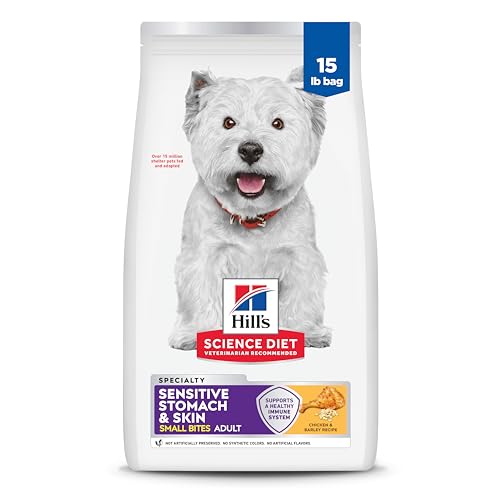
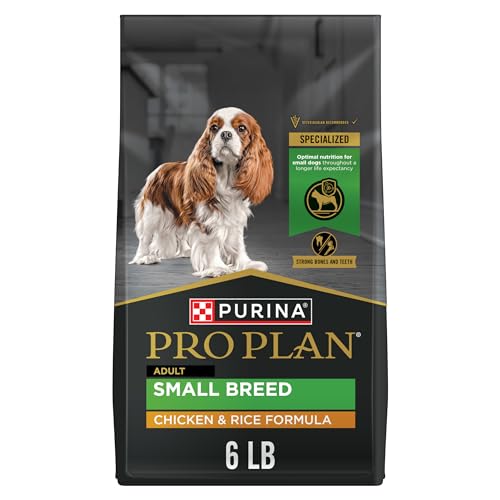
For most adult Chihuahuas, our editorial top pick is Royal Canin Chihuahua Adult Dry Dog Food because its small, easy to pick up kibble shape is designed for a tiny mouth and it carries an AAFCO complete and balanced statement for adult maintenance. If your Chihuahua has a touchy stomach, Hill’s Science Diet Small Paws Sensitive Stomach and Skin fits better. For a tight budget, Diamond Naturals Small Breed Adult is a sensible grain inclusive option, while Royal Canin X-Small Puppy suits growing pups and Purina Pro Plan Small Breed is a strong grain inclusive all rounder.
What to consider for Dry Dog Food For Chihuahua
Chihuahuas are a toy breed, usually 2 to 6 pounds, with a fast metabolism relative to their size. Because their stomachs are small, they often do better with calorie dense food in tiny portions. Kibble size and shape matter a great deal, since a small jaw and crowded teeth struggle with large pieces. Toy breeds can also be prone to low blood sugar, especially puppies, so consistent meals spread across the day are commonly recommended. Dental crowding makes them prone to plaque, so a crunchy small kibble can help mechanically, though it does not replace tooth brushing or veterinary dental care. Always talk to your veterinarian about any medical condition or feeding concern.
What to look for in a dog food
Look first for an AAFCO complete and balanced statement for the correct life stage, adult maintenance for grown dogs or growth for puppies. Check that a named meat, such as chicken, lamb, or salmon, leads the ingredient list rather than a vague label. For small adult dogs, protein in the roughly 25 to 32 percent range and fat around 12 to 18 percent are common and practical, but these are general ranges and not medical rules. Calorie density matters for tiny stomachs, so many small breed formulas run higher per cup. Choose a small breed formula with small kibble. Omega fatty acids and joint support such as glucosamine can be helpful, and your veterinarian can advise whether your individual dog needs them.
How we chose these picks
- We compared formulas using publicly available manufacturer information, ingredient panels, and guaranteed analysis data.
- We prioritized foods that carry an AAFCO complete and balanced statement for the stated life stage.
- We favored recipes that list a named meat as the first ingredient over generic protein sources.
- We checked kibble size and shape claims for suitability to a small jaw and crowded teeth.
- We looked at calorie density, since toy breeds eat small portions and need efficient nutrition.
- We cross referenced brands against the FDA animal food recall list and excluded products with unresolved safety concerns.
- We weighed honest trade offs such as cost, palatability complaints, and availability rather than marketing language.
- Never ranked a product higher just because it pays a commission.
What to avoid
- Avoid foods that list only an unnamed “meat meal” as the protein source with no animal named.
- Do not default to grain free or legume heavy recipes. The FDA investigation into a potential link between certain diets and canine dilated cardiomyopathy is ongoing, and grain inclusive food is the safer default unless your veterinarian advises otherwise.
- Avoid feeding an all life stages food to a large breed puppy, since the mineral balance may not suit controlled growth. This matters less for Chihuahuas but is worth knowing.
- Avoid abrupt diet switches. Transition gradually over 7 to 10 days to reduce the chance of digestive upset.
For more help, browse our dog guides, our dog food roundups, and our dog nutrition articles.