Quick answer
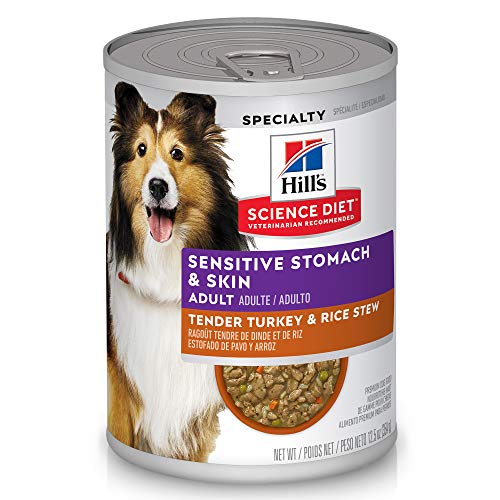
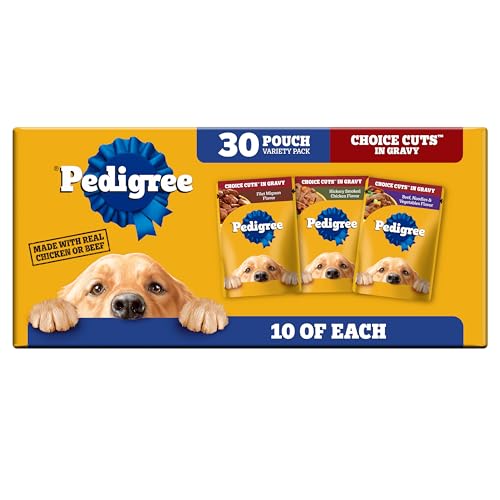
For most adult French Bulldogs, our editorial team leans toward Royal Canin French Bulldog Adult Loaf in Sauce as the top overall pick because it is portioned for a small breed, carries an AAFCO complete and balanced statement for adult maintenance, and uses a soft texture that is easy for a flat-faced dog to lap up. If your Frenchie has a touchy stomach, Hill’s Science Diet Sensitive Stomach and Skin wet food fits better. On a tighter budget, Pedigree Choice Cuts in Gravy is a grain-inclusive option, while Royal Canin French Bulldog Puppy suits dogs still growing and Wellness Complete Health Pate is a strong grain-inclusive everyday choice. Always confirm any new diet with your veterinarian, especially if your dog has a known condition.
What to consider for Wet Dog Food For French Bulldog
French Bulldogs are a small, compact breed, usually 16 to 28 pounds, and they are brachycephalic, meaning their short muzzle can make picking up and chewing food awkward. A soft loaf, pate, or chunks in gravy is often easier for them to eat than large dry kibble, and wet food adds moisture that some Frenchies need. The breed is also known for sensitive skin and a tendency toward gas and loose stools, so a single named protein and a short, recognizable ingredient list can help you spot triggers.
Portion control matters more for this breed than for many others, because Frenchies gain weight easily and extra pounds put added strain on their breathing and joints. Wet food is more calorie-dense per can than it looks, so measuring by the manufacturer feeding chart and your dog’s body condition is important. If your dog has allergies, a heart concern, or any chronic condition, your veterinarian should guide the choice, since wet food is not a substitute for medical care.
What to look for in a dog food
Start with the label. Look for an AAFCO complete and balanced statement for the correct life stage, meaning adult maintenance for a grown Frenchie or growth for a puppy. A named meat as the first ingredient, such as chicken, beef, or salmon, is preferable to a vague “meat” or “meat by-product” listed alone. For wet food, guaranteed analysis numbers read differently than dry because of moisture, but on a dry-matter basis many adult maintenance formulas land roughly in the range of 8 to 12 percent protein and 5 to 8 percent fat as fed in the can. Calories per can vary widely, often around 150 to 400, so check the kcal statement and match it to your dog’s daily needs.
Because the French Bulldog is a small breed, pick formulas labeled for small or all breeds rather than large-breed recipes. Omega fatty acids from fish oil or flaxseed can support skin and coat, which matters for this breed, and some recipes add glucosamine for joints, though these are supportive features rather than treatments. These ranges are practical guidance, not medical rules, so let your veterinarian set targets if your dog has a health condition.
How we chose these picks
- We prioritized formulas carrying a clear AAFCO complete and balanced statement for a defined life stage.
- We favored recipes with a named meat or fish as the first ingredient over generic protein terms.
- We matched texture and can size to a small, flat-faced breed that can struggle with large pieces.
- We checked publicly available FDA recall and advisory history for each brand.
- We compared calorie density so owners can portion sensibly for a weight-prone breed.
- We looked for skin and coat support such as added omega fatty acids where relevant.
- We weighed honest trade-offs like cost, availability, and ingredient transparency.
- We never ranked a product higher just because it pays a commission.
What to avoid
- An unnamed “meat meal” or generic “meat” listed as the only protein source, since you cannot tell what your dog is actually eating.
- Defaulting to grain-free or legume-heavy recipes without reason. The FDA investigation into a potential link between certain diets and canine dilated cardiomyopathy is ongoing, and grain-inclusive food is the safer default unless your veterinarian advises otherwise.
- Feeding an all-life-stages formula to a large-breed puppy, as those can supply too much calcium for big growing dogs. This is less of a risk for small Frenchies, but life-stage matching still matters.
- Abrupt diet switches, which often cause loose stools. Transition over 7 to 10 days, mixing increasing amounts of the new food with the old.
For more breed and feeding help, browse our dog guides, our dog food roundups, and our dog nutrition articles.