Quick answer
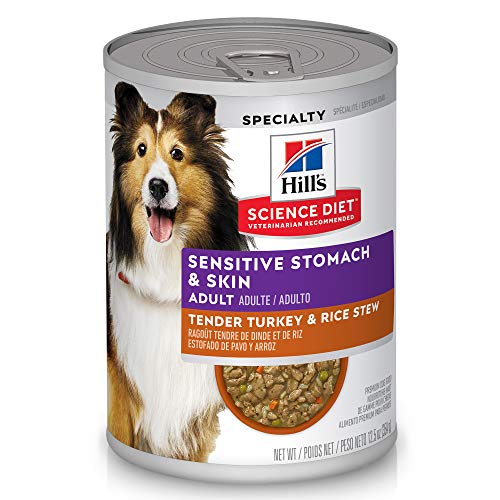
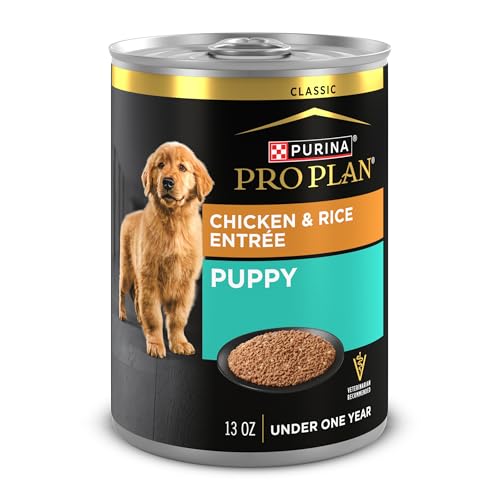
For most adult Rottweilers, our top pick is Purina Pro Plan Complete Essentials Adult Chicken and Rice Entree (canned). It carries an AAFCO complete and balanced statement for adult maintenance, lists a named meat first, and offers a moderate calorie density that suits a large, muscular breed prone to weight gain. If your Rottweiler has a touchy gut, Hill’s Science Diet Adult Sensitive Stomach and Skin canned is a gentler choice. On a tighter budget, Pedigree Chopped Ground Dinner with Beef stretches further as a topper or partial meal. For Rottweiler puppies, choose Purina Pro Plan Puppy canned, and if you prefer a grain-inclusive recipe with simpler ingredients, Merrick Grain Free is grain-free, so reach instead for a grain-inclusive line like Wellness Complete Health Adult.
What to consider for Wet Dog Food For Rottweiler
Rottweilers are a large, heavily muscled working breed that typically weighs 80 to 130 pounds at maturity. A few things matter more for this breed than for an average dog. First, calorie control: Rottweilers gain weight easily and carry it on joints already at higher risk, so portion the wet food to body condition rather than to the can. Second, joint health: the breed is predisposed to hip and elbow dysplasia and to cruciate ligament issues, so omega-3 fatty acids and added glucosamine or chondroitin can be supportive, though they are not a treatment for diagnosed disease. Third, growth control in puppies: large-breed puppies should grow slowly to lower the risk of orthopedic problems, which means a food formulated for large-breed growth, not a calorie-dense all-life-stages can. Wet food also helps with hydration and palatability, but it is calorie dense and can soften stool, so many owners use it as part of a meal alongside a measured dry portion. Always consult your veterinarian for any medical condition or before starting a supplement.
What to look for in a dog food
Look for an AAFCO complete and balanced statement that matches the right life stage, either adult maintenance for grown Rottweilers or growth, including large-size growth, for puppies. The first ingredient should be a named meat such as chicken, beef, lamb, or turkey, not a vague “meat” or an unnamed meal. For a typical adult Rottweiler, sensible targets are roughly 8 percent or more crude protein and around 5 to 8 percent crude fat on the as-fed canned basis, which corresponds to higher numbers on a dry-matter basis because wet food is mostly water. Keep an eye on calories, often listed as kcal per can, so you can portion to maintain a lean body condition. For this breed, prioritize large-breed suitability, especially controlled calories and, for puppies, controlled calcium for proper bone development. Finally, joint and omega support such as EPA and DHA from fish oil or added glucosamine can be a reasonable plus, but treat it as supportive nutrition rather than a medical fix. These are general guidelines, not medical rules, so ask your veterinarian about your individual dog.
How we chose these picks
- We compared only foods that carry a clear AAFCO complete and balanced statement for a defined life stage.
- We favored recipes that list a named meat, such as chicken or beef, as the first ingredient.
- We checked that calorie density and fat levels were reasonable for a large breed prone to weight gain.
- We matched each pick to a real Rottweiler need, including sensitive stomach, puppy growth, budget, and grain-inclusive options.
- We reviewed publicly available manufacturer information and ingredient panels rather than relying on marketing slogans.
- We noted at least one honest trade-off for every pick so readers can judge fit, not hype.
- We checked each brand against publicly posted FDA pet food recall information at the time of writing.
- Never ranked a product higher just because it pays a commission.
What to avoid
- An unnamed “meat meal” or generic “meat” as the only protein source, since you cannot tell what animal it came from.
- Defaulting to grain-free or legume-heavy recipes. The FDA investigation into a potential link between certain diets and canine dilated cardiomyopathy is ongoing, and grain-inclusive recipes are the safer default unless your veterinarian advises otherwise.
- Feeding an all-life-stages food to a large-breed Rottweiler puppy, because uncontrolled calcium and calories can encourage growth that is too fast for developing joints.
- Abrupt diet switches. Transition over 7 to 10 days by gradually mixing old and new food to reduce the risk of digestive upset.
For more breed-specific feeding and care help, browse our dog guides, our dog food comparisons, and our dog nutrition resources.