Quick answer
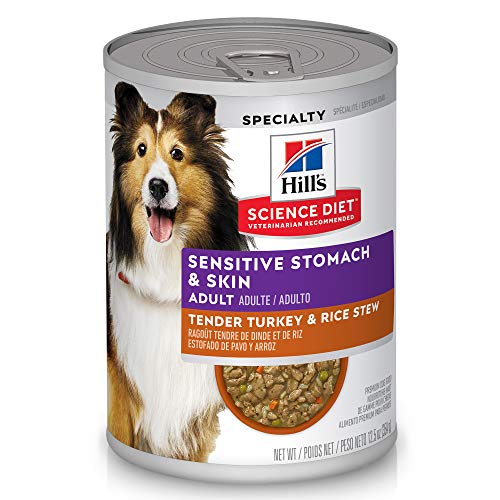
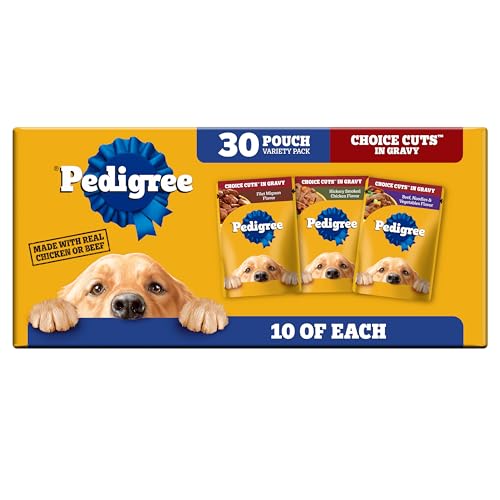
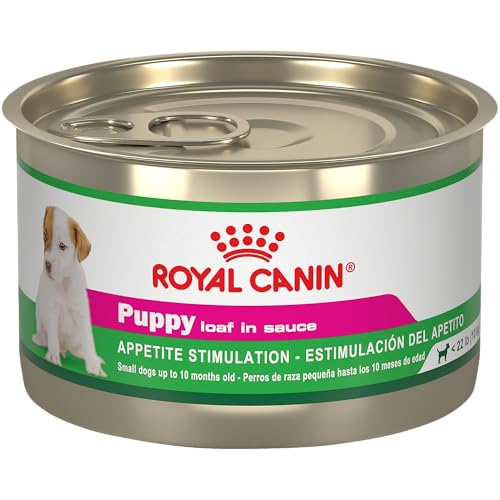
For most Yorkshire Terriers, our editorial team leans toward Royal Canin Yorkshire Terrier Adult Loaf in Sauce as the top overall pick, because it is formulated as a complete and balanced wet diet shaped around small breed needs, with a soft texture that suits the small mouths and sometimes finicky appetites Yorkies are known for. If your Yorkie has a sensitive stomach, Hill’s Science Diet Sensitive Stomach & Skin Wet Dog Food may fit better. On a budget, Pedigree Choice Cuts in Gravy is a value option, while Wellness Complete Health Small Breed Wet suits owners wanting a named meat first, and Royal Canin Puppy Loaf in Sauce covers Yorkie puppies. Always confirm any diet choice with your veterinarian, especially if your dog has a medical condition.
What to consider for Wet Dog Food For Yorkie
Yorkshire Terriers are a toy breed, typically 4 to 7 pounds full grown, so portion size and calorie density matter far more than for a large dog. A small spoon too much each day can lead to weight gain on such a tiny frame. Yorkies are also prone to dental disease and may have crowded or missing teeth, which is one reason owners turn to wet food, since the soft texture is easier to eat. Wet food does little to scrape plaque, so a dental care routine remains important.
Yorkies can be picky eaters and are sometimes prone to low blood sugar (hypoglycemia) as small puppies, which makes consistent, appetizing meals important. The breed is also predisposed to sensitive digestion and certain liver concerns such as portosystemic shunt in some individuals, so any unusual symptoms warrant a veterinary visit rather than a diet guess. Wet food has high moisture, which supports hydration, but it spoils quickly once opened and should be refrigerated.
What to look for in a dog food
Look for an AAFCO complete and balanced statement printed on the label for the correct life stage, either adult maintenance or growth, so the food can serve as a primary diet rather than a topper. Check that a named meat such as chicken, turkey, or lamb appears as the first ingredient, not a vague unnamed “meat” or “meat meal” alone. For a typical small adult dog, many wet foods fall in a sensible range of roughly 8 to 11 percent protein and 4 to 8 percent fat on an as fed basis (these look low next to dry food only because wet food is mostly water). Calories per can or pouch vary widely, so match the total daily calories to your Yorkie’s small size rather than to can count alone.
Yorkies are a small breed, so choose recipes labeled for small or toy breeds or for all breeds, and confirm the kibble or chunk size and texture suit a tiny mouth. Omega 3 fatty acids and joint support such as glucosamine can be a plus for skin, coat, and aging joints, though they are not a treatment for disease. Discuss supplements with your veterinarian first.
How we chose these picks
- We compared products using publicly available manufacturer information, ingredient lists, and label statements, not personal lab testing.
- We prioritized foods carrying an AAFCO complete and balanced statement for a clearly stated life stage.
- We favored recipes that list a named meat as the first ingredient over vague protein sources.
- We checked that texture and portion sizing are practical for a 4 to 7 pound toy breed.
- We reviewed each brand’s publicly posted recall history through the FDA before including it.
- We considered real owner feedback patterns for palatability and digestive tolerance, while treating anecdotes as anecdotes.
- We included options across price points so budgets and needs are covered.
- Never ranked a product higher just because it pays a commission.
What to avoid
- Foods listing an unnamed “meat meal” or generic “meat” as the only protein source, with no named animal.
- Defaulting to grain-free or legume heavy recipes. The FDA investigation into a potential link between certain diets and canine dilated cardiomyopathy is ongoing, and grain inclusive recipes are the safer default unless your veterinarian advises otherwise for a specific reason.
- Feeding an all life stages formula to a large breed puppy, since the calcium and energy levels may not suit large breed growth. This matters less for a Yorkie, but it is a key labeling rule to understand.
- Abrupt diet switches. Transition over 7 to 10 days by mixing increasing amounts of the new food, since Yorkies have sensitive stomachs.
For more help choosing, browse our dog guides, our dog food roundups, and our dog nutrition resources.