Quick answer
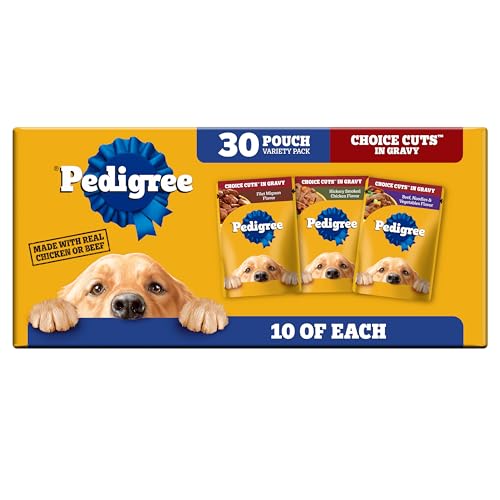
For most Dachshunds, our top overall pick is Hill’s Science Diet Adult Small Paws Chicken & Barley Entree wet food, because it carries an AAFCO complete and balanced statement, leads with a named meat protein, and is portioned for small breeds, which makes calorie control easier for a dog prone to weight gain. If your Dachshund has a touchy stomach, Purina Pro Plan Sensitive Skin & Stomach may fit better. Choose Pedigree Choice Cuts in Gravy on a tighter budget, Royal Canin Dachshund Adult Loaf in Sauce if you want a breed-portioned loaf texture, and Wellness Complete Health Senior for an older Dachshund. Always confirm any diet choice with your veterinarian, especially if your dog has a medical condition.
What to consider for Wet Dog Food For Dachshund
Dachshunds are a long-backed, short-legged breed, and they are predisposed to intervertebral disc disease (IVDD). Carrying extra weight is widely understood to add strain to the spine and joints, so keeping a Dachshund lean is one of the most practical things an owner can do, though weight management should be guided by your veterinarian. Wet food tends to be lower in calorie density and higher in moisture than kibble, which can help with hydration and portion satisfaction, but it can also be easy to overfeed because the cans look small.
Standard Dachshunds usually weigh around 16 to 32 pounds and miniatures under about 11 pounds, so most do well on a small breed or all life stages formula sized for their frame. Their small mouths also mean loaf or small chunk textures are often easier to manage than large pieces. Dental tartar is common in the breed, so wet food alone may not support dental health the way some owners hope, which is worth discussing with your vet.
What to look for in a dog food
Look first for an AAFCO complete and balanced statement for the correct life stage (adult maintenance, growth, or all life stages), so the food can serve as a primary diet rather than a topper. A named meat as the first ingredient, such as chicken, turkey, beef, or lamb, is generally preferable to a vague “meat” or “meat meal” listed alone.
As practical, non medical ranges, many adult wet foods land near 8 to 12 percent crude protein and 4 to 8 percent crude fat on an as fed basis (wet food numbers look lower than kibble because of high moisture). Because Dachshunds are small, watch total daily calories closely rather than any single percentage. For a long-backed breed, recipes with omega 3 fatty acids from fish oil and added glucosamine or chondroitin may offer joint support, although these are not a treatment for IVDD or arthritis and you should consult your veterinarian about any joint concern. Match the formula to your dog’s size, so a small breed or all life stages product rather than a large breed recipe.
How we chose these picks
- We focused on widely available products that carry an AAFCO complete and balanced statement for the relevant life stage.
- We favored recipes that list a named meat as the first ingredient over vague protein terms.
- We prioritized small breed or breed specific portioning suitable for a Dachshund’s frame.
- We compared moisture, protein, fat, and calorie information using each brand’s published product details.
- We checked publicly reported recall history and noted that owners should verify current FDA recall status before buying.
- We looked for joint or omega support where the manufacturer lists it, while avoiding any medical outcome claims.
- We weighed honest trade-offs such as price, texture, and ingredient transparency rather than marketing language.
- Never ranked a product higher just because it pays a commission.
What to avoid
- Recipes that list only an unnamed “meat meal” as the protein, with no identified animal source.
- Defaulting to grain-free or legume-heavy recipes. The FDA investigation into a potential link between certain diets and canine dilated cardiomyopathy is ongoing, and grain-inclusive food is the safer default unless your veterinarian advises otherwise.
- Feeding an all life stages food to a large breed puppy, since growth needs differ. This is less of a concern for a Dachshund, but matters if you have larger dogs in the home.
- Abrupt diet switches. Transition over about 7 to 10 days by gradually mixing old and new food to reduce the chance of digestive upset.
For more help choosing and feeding your dog, see our dog guides, our dog food reviews, and our dog nutrition articles.