Quick answer
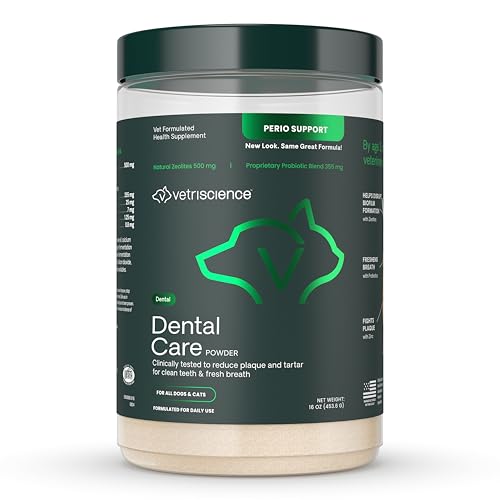
The best dog dental powder for bad breath overall is VetriScience Perio Plus, which contains chlorhexidine and a dual-enzyme system to fight plaque and freshen breath. For a budget-friendly option, choose Pets Are Kids Too Premium Dental Powder. If your dog is a senior, Nutramax Proviable-DC adds probiotics for extra digestive and dental support.
What to consider for Dog Dental Powder For Bad Breath
Bad breath in dogs often stems from plaque, tartar, or gum disease. A dental powder should contain active ingredients like chlorhexidine (antimicrobial), enzymes (break down plaque), or probiotics (balance oral bacteria). Avoid products with artificial sweeteners or excessive fillers. Always choose a powder labeled for dogs and follow dosage by weight. For best results, use daily alongside regular brushing and annual veterinary dental cleanings.
What to look for in a health product (dental, probiotic, joint, allergy or calming supplement)
When selecting a dental powder, check for a Veterinary Oral Health Council (VOHC) seal if available. Look for evidence-based ingredients like chlorhexidine, zinc gluconate, or enzymes (glucose oxidase, lactoperoxidase). Probiotic strains should be listed with specific CFU counts. Ensure the product is manufactured in a GMP-certified facility, preferably with an NASC quality seal. Dosing should be clear by weight. Avoid vague proprietary blends that hide ingredient amounts.
How we chose these picks
- Evaluated ingredient lists for proven dental health ingredients.
- Preferred products with VOHC acceptance or NASC certification.
- Considered customer reviews for breath freshening and ease of use.
- Ensured products are suitable for daily use without risk of overdose.
- Checked that dosing instructions are clear and weight-based.
- Favored brands with a history of safe pet supplements.
- Never ranked a product higher just because it pays a commission.
What to avoid
- Products claiming to cure or prevent disease without evidence.
- Human dental products, which may contain xylitol or other toxic ingredients.
- Vague proprietary blends that don’t disclose individual amounts.
- Exceeding the labelled dose, as it can cause digestive upset.
For more pet care advice, see our dog guides, dog health, and dog nutrition sections.


