Quick answer
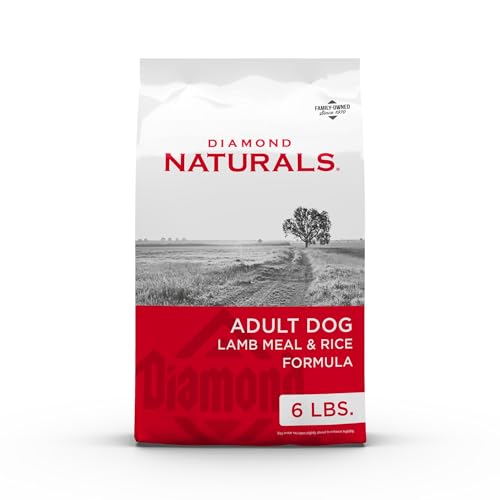
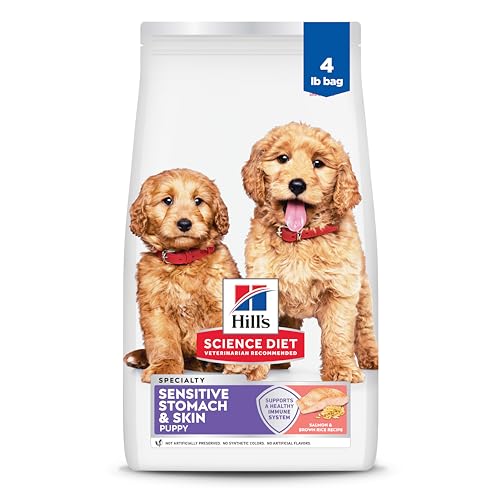
Our top pick is Purina Pro Plan Sensitive Skin & Stomach Salmon & Rice Formula because it combines a single animal protein source with prebiotic fiber and omega fatty acids, making it gentle on digestion while supporting skin health. For a budget-friendly alternative, Diamond Naturals Real Meat Recipe Sensitive Stomach offers similar benefits at a lower price. Puppy owners should consider Hill’s Science Diet Puppy Sensitive Stomach & Skin for its balanced nutrition and DHA.
What to consider for Dog Food For Sensitive Stomachs
When choosing a food for a sensitive stomach, the primary goal is to minimize digestive irritation. Look for a single, novel protein source (like salmon, lamb, or venison) that your dog hasn’t eaten before, as this reduces the risk of food sensitivities. Digestibility matters: ingredients like rice, barley, and oats are gentle on the gut compared to corn or wheat. Added prebiotics (such as chicory root or inulin) support healthy gut bacteria, while probiotics can aid in stool quality. Avoid artificial preservatives, colors, and flavors, which can trigger reactions. Also consider the fat content; moderate fat levels (around 12 to 15 percent on a dry matter basis) are easier to digest than high-fat diets. Finally, ensure the food is formulated for your dog’s life stage, as puppies and seniors have different nutritional needs.
What to look for in a dog food
First, verify the food carries an AAFCO statement of nutritional adequacy for your dog’s life stage (e.g., growth, maintenance, or all life stages). The first ingredient should be a named meat or fish meal, such as salmon meal or chicken meal, providing high-quality protein. For sensitive stomachs, a limited ingredient list with a single protein source is ideal. Protein content should be moderate, around 20 to 30 percent on a dry matter basis, to avoid overloading the digestive system. Fat levels should be in the range of 10 to 15 percent for most adult dogs; higher fat can exacerbate diarrhea. Carbohydrates from digestible grains like rice or oatmeal are preferable to legumes or potatoes. If you have a large breed puppy, ensure the food meets large breed growth requirements (calcium and phosphorus levels). Omega-3 fatty acids from fish oil help reduce inflammation in the gut and support skin health. Avoid foods with excessive fiber (above 8 percent) as it can cause gas or bloating.
How we chose these picks
- We evaluated products based on ingredient quality, focusing on named protein sources and limited ingredients.
- We prioritized foods with added prebiotics and probiotics for digestive health.
- We considered AAFCO nutritional adequacy for the appropriate life stage.
- We looked for positive customer reviews regarding digestive tolerance and stool quality.
- We balanced price and availability to include options for different budgets.
- We checked for company reputation and adherence to WSAVA guidelines where possible.
- We excluded products with unnamed meat meals or excessive fillers.
- Never ranked a product higher just because it pays a commission.
What to avoid
- Foods with an unnamed meat meal (e.g., poultry meal) as the primary protein source, as the origin is unclear and may trigger sensitivities.
- Defaulting to grain-free or legume-heavy recipes without veterinary guidance, due to the ongoing FDA investigation into a potential link with canine dilated cardiomyopathy (DCM). Grain-inclusive diets are generally safer unless a vet advises otherwise.
- All-life-stages formulas for large-breed puppies, as they may not provide the precise calcium and phosphorus balance needed for controlled growth.
- Abrupt diet switches; always transition over 7 to 10 days by mixing increasing amounts of new food with old food.
For more tips, check out our dog guides and explore dog food, dog health, and dog nutrition resources.