Quick answer
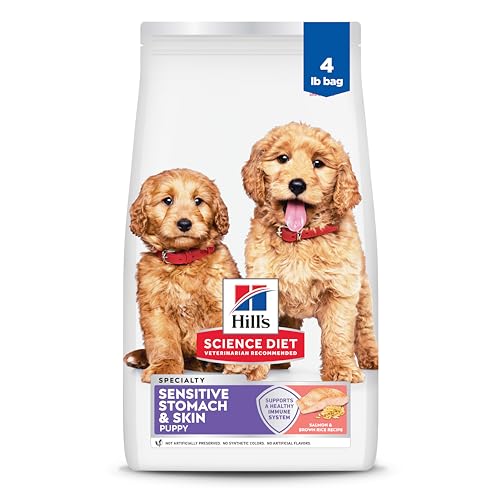
Our top pick for most dogs with loose stools is Purina Pro Plan Sensitive Skin & Stomach Salmon & Rice Formula. Its single animal protein source, easily digestible rice, and added prebiotic fiber help promote firm stool. If your dog needs a budget-friendly option, Diamond Naturals Lamb Meal & Rice Formula provides similar benefits at a lower price. For puppies, Hill’s Science Diet Puppy Sensitive Stomach & Skin offers gentle nutrition.
What to consider for Dog Food For Loose Stools
When choosing a food to manage loose stools, look for a limited ingredient list with a single novel or highly digestible protein (like salmon, lamb, or venison) and easily digestible carbohydrates (like rice or oatmeal). Avoid foods with artificial additives, excessive fat, or high fiber from legumes, as these can worsen diarrhea. Prebiotic fibers such as chicory root or inulin support healthy gut bacteria. Always consult your veterinarian to rule out underlying medical causes before switching foods.
What to look for in a dog food
Select a food that is AAFCO complete and balanced for your dog’s life stage (puppy, adult, or senior). The first ingredient should be a named meat (e.g., chicken, salmon, lamb). For sensitive stomachs, aim for 20 to 30% protein, 10 to 18% fat, and 3 to 5% fiber. Calorie content typically ranges from 350 to 450 kcal per cup. For large breeds, ensure the food meets large breed growth guidelines for puppies. Omega-3 fatty acids from fish oil can support a healthy inflammatory response and skin health.
How we chose these picks
- Evaluated ingredient lists for highly digestible protein sources and limited fillers.
- Prioritized foods with prebiotic fibers (e.g., chicory root, dried fermentation products).
- Cross-referenced AAFCO nutritional adequacy statements for the appropriate life stage.
- Considered customer feedback regarding stool quality improvements.
- Focused on brands with established expertise in digestive health (Purina Pro Plan, Hill’s, Royal Canin).
- Included options across price points to suit different budgets.
- Verified that grain-inclusive formulas are available to avoid unnecessary grain-free risks.
- Never ranked a product higher just because it pays a commission.
What to avoid
- Avoid foods where the only protein source is an unnamed “meat meal” (e.g., “poultry meal” instead of “chicken meal”).
- Do not default to grain-free or legume-heavy recipes unless specifically advised by a veterinarian, as the FDA is still investigating a potential link to canine dilated cardiomyopathy (DCM).
- Do not feed an “all life stages” food to a large-breed puppy; use a formula specifically designed for large-breed growth.
- Avoid abrupt diet switches; transition gradually over 7 to 10 days by mixing increasing amounts of new food with old food.
For more guidance, visit our dog guides, dog food, and dog health sections.