Quick answer
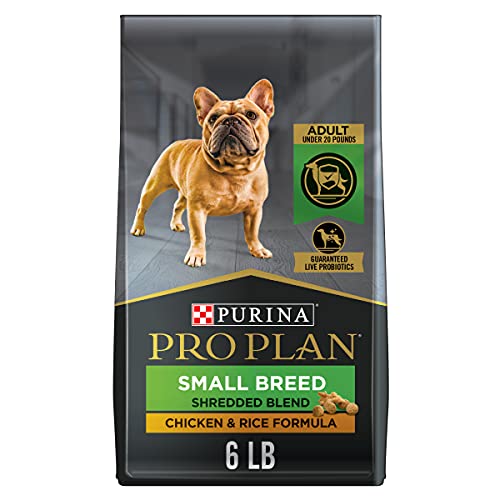
Our top pick is Royal Canin Size Health Nutrition Small Adult Dry Dog Food, because it’s specifically formulated for small breeds with a smaller kibble and balanced nutrients. For dogs with sensitive stomachs, Hill’s Science Diet Small & Toy Breed Sensitive Stomach & Skin is a great alternative. If you’re on a budget, Purina Pro Plan Small Breed offers excellent nutrition at a lower price.
What to consider for Dog Food For Dogs Under 20 Lbs
Small dogs have fast metabolisms and higher energy needs per pound compared to larger breeds. They also have smaller mouths and teeth, so kibble size matters. Many small breeds are prone to dental issues, so a kibble that encourages chewing can help. Additionally, small dogs may be more prone to obesity, so calorie density is important. Look for formulas that meet AAFCO standards for the appropriate life stage (puppy, adult, or senior) and are specifically designed for small or toy breeds.
What to look for in a dog food
First, ensure the food is AAFCO complete and balanced for your dog’s life stage. Look for a named meat as the first ingredient, such as chicken or salmon. Protein levels should be around 25 to 30% for adult small breeds, while fat should be 12 to 18% to support energy needs. Calorie content should be moderate to prevent weight gain; aim for 350 to 450 kcal per cup. For small breeds, kibble size should be small (about 0.3 to 0.5 inches) to fit their mouths. Joint support from glucosamine and omega fatty acids for skin and coat health are beneficial.
How we chose these picks
- We evaluated products based on ingredient quality and nutritional adequacy.
- We prioritized brands with a history of meeting AAFCO standards.
- We considered kibble size suitability for small mouths.
- We looked at calorie density to help maintain healthy weight.
- We assessed the inclusion of beneficial additives like omega fatty acids and probiotics.
- We reviewed customer feedback for palatability and digestive tolerance.
- We favored products with named meat as the first ingredient.
- Never ranked a product higher just because it pays a commission.
What to avoid
- Avoid foods where the only protein source is an unnamed “meat meal” or “poultry meal”.
- Be cautious with grain-free diets; the FDA is investigating a potential link to DCM. Unless your vet advises otherwise, grain-inclusive formulas are a safer default.
- Avoid all-life-stages formulas for large-breed puppies, but for small breeds it’s less critical; still, life-stage specific is better.
- Do not switch foods abruptly; transition over 7 to 10 days to avoid digestive upset.
For more guidance, explore our dog guides, dog food, and dog nutrition sections.