Quick answer
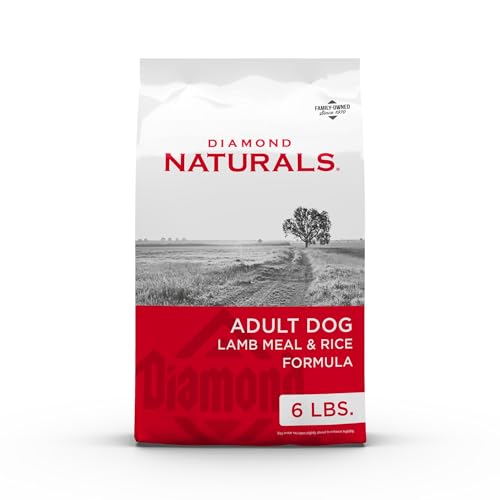
Our editorial team picks Purina Pro Plan Adult Complete Essentials as the best dry dog food for joint support because it includes natural glucosamine and chondroitin, plus high-quality protein and omega fatty acids. For dogs with sensitive stomachs, Hill’s Science Diet Adult Sensitive Stomach & Skin is a strong alternative. If you need a budget-friendly option, Diamond Naturals Adult Dog Real Meat Recipe provides joint-supporting ingredients at a lower price.
What to consider for Dry Dog Food For Joint Support
When choosing a dry dog food for joint support, look for recipes that include glucosamine and chondroitin, which are building blocks for healthy cartilage. Omega-3 fatty acids from fish oil or flaxseed help reduce inflammation. Also consider the dog’s life stage, breed size, and any other health conditions. Larger breeds may benefit from lower calorie levels to prevent obesity, which stresses joints. Always consult your veterinarian before making dietary changes.
What to look for in a dog food
Look for a statement that the food meets AAFCO nutritional profiles for the appropriate life stage (adult maintenance, growth, or all life stages). The first ingredient should be a named meat source like chicken, lamb, or salmon. Protein content should be around 22 to 30% for adult dogs, fat around 12 to 18%, and calories around 320 to 400 kcal per cup, but these are general guidelines. For large breeds, ensure calcium and phosphorus levels are appropriate for skeletal health. Joint-supporting ingredients like glucosamine, chondroitin, and omega-3s are beneficial. Grain-inclusive recipes are generally safe unless your dog has a diagnosed allergy.
How we chose these picks
- Evaluated ingredient lists for named protein sources and absence of artificial additives.
- Checked for guaranteed levels of glucosamine and chondroitin, or inclusion of ingredients that naturally support joints.
- Reviewed omega-3 and omega-6 fatty acid profiles for anti-inflammatory benefits.
- Considered brand reputation, manufacturing quality standards, and recall history.
- Compared price per pound to ensure value across different budgets.
- Read customer feedback focusing on improved mobility and palatability.
- Consulted veterinary nutrition guidelines and AAFCO standards.
- Never ranked a product higher just because it pays a commission.
What to avoid
- Avoid foods with unnamed “meat meal” as the only protein source; opt for named meals like chicken meal or salmon meal.
- Do not default to grain-free or legume-heavy recipes unless your veterinarian advises due to a confirmed allergy. The FDA DCM investigation is ongoing, and grain-inclusive is the safer default.
- Never feed an all-life-stages food to a large-breed puppy, as it may have inappropriate calcium levels.
- Avoid abrupt diet switches; transition over 7 to 10 days by mixing increasing amounts of new food with old.
For more guidance, explore our dog guides, dog food, and dog health resources.