Quick answer
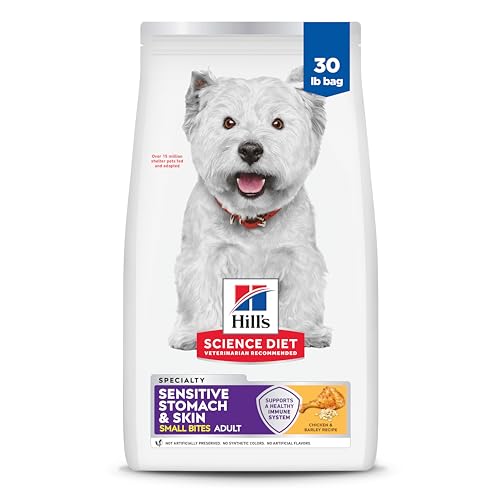
For dogs with sensitive paws, our top pick is Purina Pro Plan Sensitive Skin & Stomach Salmon & Rice Formula. It combines novel protein salmon with easily digestible rice, plus omega-3 and omega-6 fatty acids to support skin health. If your dog needs a grain-free option, consider Wellness CORE Grain-Free Turkey & Chicken Formula, but note the ongoing FDA investigation into grain-free diets. For budget-conscious owners, Diamond Naturals Skin & Coat Formula offers excellent value with quality ingredients.
What to consider for Dry Dog Food For Dogs With Sensitive Paws
When choosing dry dog food for dogs with sensitive paws, focus on ingredients that support skin health and reduce potential allergens. Omega-3 and omega-6 fatty acids (from fish oil, flaxseed, or chicken fat) help maintain skin barrier function and reduce inflammation. Limited ingredient diets with a single novel protein source (like salmon, duck, or venison) can minimize allergic reactions. Avoid artificial colors, flavors, and preservatives, as these may trigger sensitivities. Also consider your dog’s life stage, size, and any concurrent health issues like obesity or joint problems, as these can affect paw health.
What to look for in a dog food
Look for a statement from AAFCO confirming the food is complete and balanced for your dog’s life stage (growth, maintenance, or all life stages). The first ingredient should be a named meat source (e.g., chicken, salmon, lamb). Protein content should be between 18% and 30% for most adult dogs; fat between 8% and 20%. For dogs with sensitive paws, omega-3 fatty acids (EPA/DHA) at 0.5% to 1.5% are beneficial. Choose a kibble size appropriate for your dog’s breed (small breeds need smaller kibble). Joint support ingredients like glucosamine and chondroitin can help if paw sensitivity is due to arthritis or mobility issues.
How we chose these picks
- Evaluated ingredient lists for high-quality named protein sources and absence of artificial additives.
- Prioritized formulas with omega-3 and omega-6 fatty acids for skin health.
- Selected products from reputable brands with rigorous quality control and AAFCO compliance.
- Considered life stage and size suitability to match common needs.
- Reviewed customer feedback for palatability and reported improvements in skin condition.
- Included a range of price points to accommodate different budgets.
- Favored grain-inclusive recipes as a safer default, given the FDA DCM investigation.
- Never ranked a product higher just because it pays a commission.
What to avoid
- Avoid foods with an unnamed “meat meal” as the sole protein source; look for named meals like “chicken meal” or “salmon meal”.
- Be cautious with grain-free or legume-heavy recipes; the FDA is investigating a potential link to canine dilated cardiomyopathy (DCM). Unless your vet advises otherwise, grain-inclusive is the safer default.
- Do not feed an “all life stages” food to a large-breed puppy; these formulas may have inappropriate calcium and phosphorus levels for proper growth.
- Avoid abrupt diet switches; transition over 7 to 10 days by mixing increasing amounts of new food with old to prevent digestive upset.
For more guidance, explore our dog guides, dog food, and dog health resources.